Feature
12 of the Best Convertible Supercars on the Market
From great value for money, to the best tour cars and some special rarities, here are some of the best convertibles on the market right now.
September 22, 2026
Before most of us knew what horsepower meant, we already knew what we liked. But where does that initial car obsession start?
There was a conversation in the Members WhatsApp group earlier today about some members finally buying the cars from their childhood obsession. Vehicles that they've lusted after for many years, often decades, and now they finally have the means to fulfil that dream. And that got me thinking, what started that initial obsession that it is instilled in so many of us, is it a single factor or a combination of things that we carry for life until we can finally purchase that dream car we've wanted from our early years.
Before most of us knew what horsepower meant, we already knew what we liked. We might not have understood why the engine sounded different on some cars than others, why some cars had a wing the size of a dining table or why others had ducts and intakes in certain places. But we knew they were the ones we were obsessed with.
For some, it was a Ferrari F40 pinned to the bedroom wall. For others, it was a Lamborghini Countach, a 997 Porsche 911 GT3 or perhaps something a little more attainable: a Ford Escort Cosworth, Lancia Delta Integrale or even a Nissan Skyline GT-R.
Long before we had driving licences, bank accounts or any realistic prospect of owning one, certain cars had already managed to occupy a surprisingly large amount of our imagination. And perhaps that's where the fascination with Modern Classics really begins.
Not in an auction room, not in a concours field, not even necessarily behind the wheel. It starts much earlier. Before there was Instagram and YouTube there was the bedroom wall poster.
You'd see one in a shop, in a newsagent, perhaps on the wall of a friend or tucked inside the latest issue of your favourite motoring publication. Somehow, a large piece of glossy paper featuring a Ferrari 288 GTO, a Lamborghini Diablo or a Porsche 959 could become one of the most important possessions you owned.
The car didn't need to make sense, in fact, the less attainable it was, the better. They were exotic, they were outrageous, and for a generation of enthusiasts, they were the first cars that made us realise that cars could make you feel something.
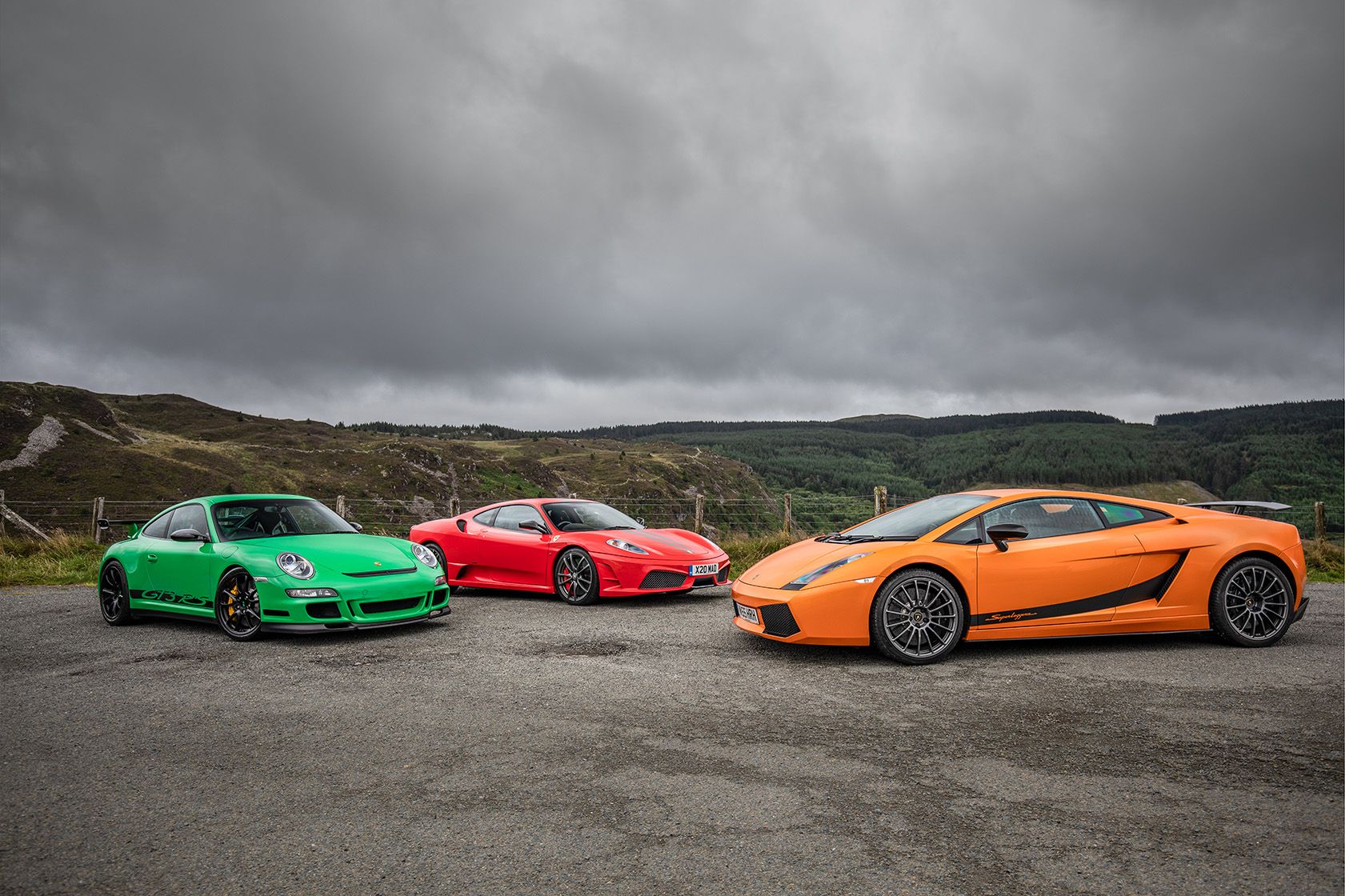
There is something particularly powerful about seeing a car when you're too young to own it. You might spot an Aston Martin DB7 outside a hotel like something out of a Bond film. A Ferrari 355 might pull alongside you at the traffic lights and be gone before you know it. Perhaps a Porsche 911 Turbo would thunder past on the motorway.
At that age, you didn't know what the residual values were, but you probably knew the list price and horsepower figure off the top of your head. You didn't care about service histories. You certainly weren't worrying about whether the mileage was too high. You just knew it was special. And sometimes, years later, that memory remains remarkably clear.
The road.
The sound.
The colour.
Maybe even the registration plate.
Funny how the mind works. We can forget what we had for lunch yesterday but remember the exact Ferrari we saw outside a specific restaurant twenty-five years ago.
Then came the magazines. Before the internet gave us endless reviews, videos and opinions available at the press of a button, there was something wonderfully tangible about buying the latest issue of EVO, Autocar, CAR magazine or even if they were lucky enough to be for sale in Auto Trader (back when that was just a magazine).
You didn't simply read about cars. You waited for them, studied the photographs, read the specifications, learned which cars had the best steering, which engines were considered special and which new arrival had just embarrassed something considerably more expensive around a circuit. And perhaps most importantly, you formed opinions about cars you'd never driven.
You could have told someone exactly why the Ferrari 360 was preferable to the 911 Turbo despite having never sat in either. You knew why the CSL was special, that the GT3 was in a different league to most, that a TVR Sagaris was perhaps considered a bad idea in the real world. And yet you desperately wanted one anyway.
Those magazines didn't simply inform us. They created heroes. For one generation it might have been the Ferrari Testarossa. For another, the F50. Then came the Enzo, Carrera GT, McLaren Mercedes SLR, Ford GT, Murciélago, Gallardo Superleggera, 360 Challenge Stradale, Veyron and countless others.
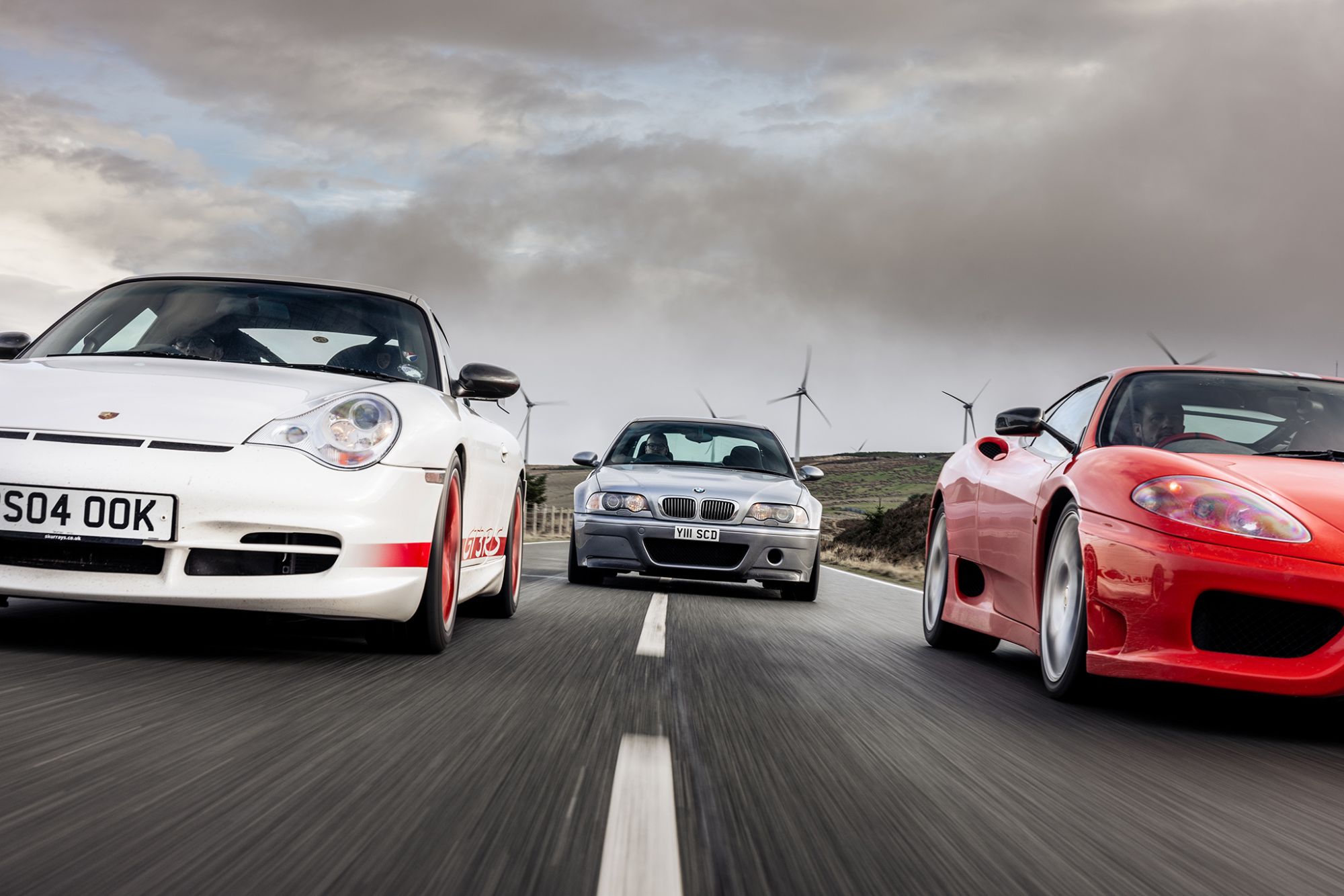
And then there were the cars you could actually have. Well, sort of.
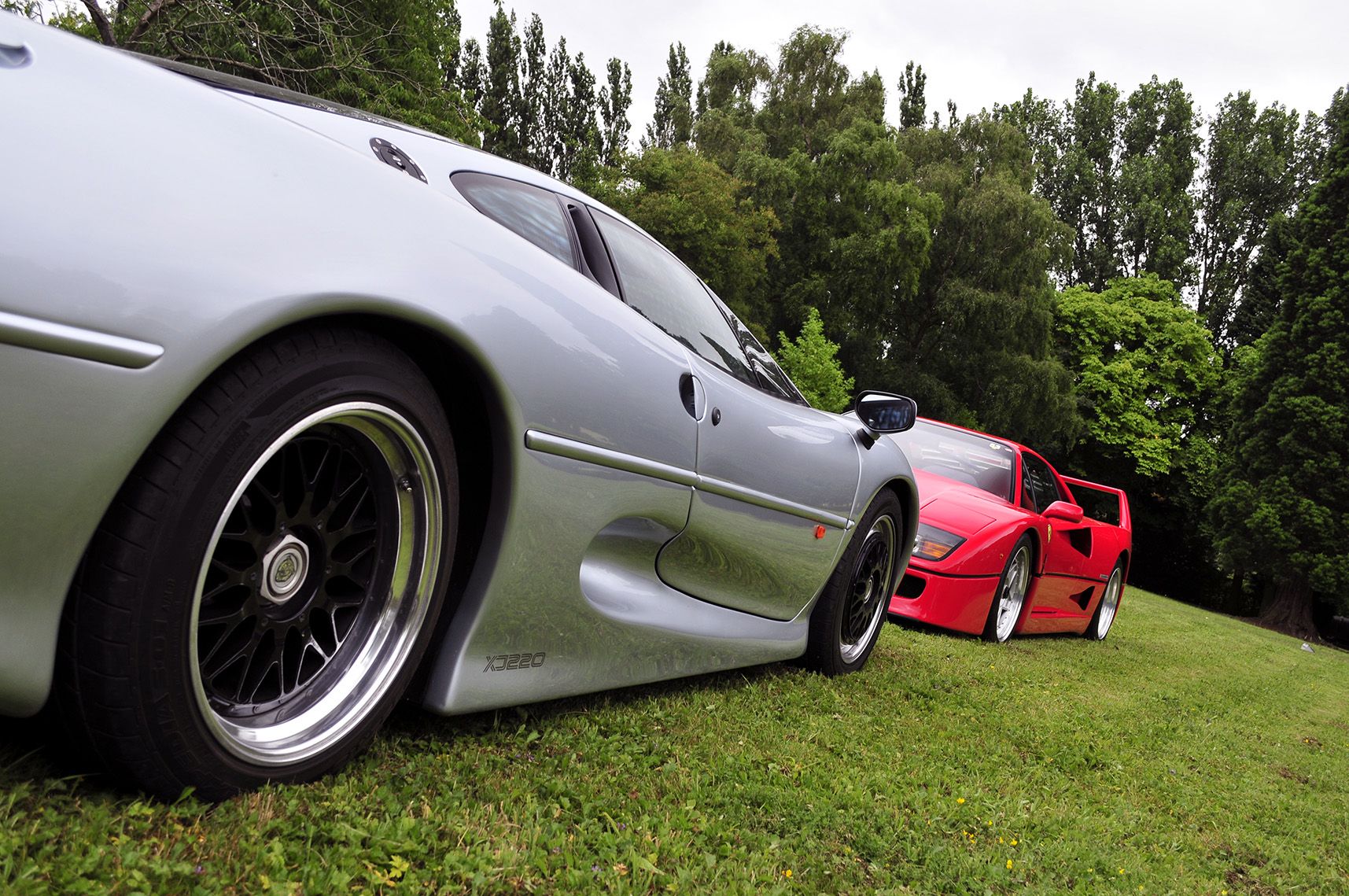
Petrol stations understood us remarkably well. Your parents were actively encouraged to make sure that there was only one garage they were filling up at, the one that meant collecting Shell tokens produced a line up that dreams were made of. The Bugatti EB110, Jaguar XJ220, Porsche 959, Lamborghini Diablo, Ferrari 288 GTO, Lotus Esprit and more. They were your collection and pride and joy, and you couldn’t wait to add more to it.
They sat on bedroom shelves. They raced across carpets. They were lined up with military precision. And while the real thing might have been thousands of miles away, the miniature version was yours. Perhaps that's why so many enthusiasts still have an affection for scale models today. But it's not really about the model, it's about what it represents. A tiny reminder of the first time a particular car captured your imagination.
Then, for many of us, television changed everything. Suddenly the cars we'd only seen in photographs were moving. We heard them. We saw them being driven properly. We watched them slide, accelerate, race and occasionally do things that probably weren't particularly sensible.
Top Gear didn't invent the fascination with supercars, but it certainly amplified it. A Ferrari being driven through Europe suddenly became an adventure. A Lamborghini became known for its character and eccentricity. A Porsche became something to argue about. And a reasonably ordinary Sunday evening could leave you convinced that you absolutely needed a V12 supercar.
Despite having nowhere to put it. Or the money to buy it. Or, frankly, the ability to drive it properly. It didn't matter. The seed had been planted.
The interesting thing is that the car of the moment doesn't necessarily remain the car of your dreams. You grow older. You drive more cars. Your tastes change. The poster on the bedroom wall becomes a car you actually have the opportunity to buy. And suddenly the object of childhood fantasy becomes something much more interesting. Something you can actually experience.
That's perhaps one of the greatest pleasures of being an enthusiast. The cars that once seemed impossibly distant can, eventually, become part of your life. There comes the day that you get the chance to drive that car that once seemed impossibly exotic. And sometimes the reality is even better than the fantasy, sometimes it isn't. But neither really matters to you.
It isn’t a case of don’t meet your heroes either, you know it is going to be noisy, not as quick as you thought, perhaps even difficult to drive. But you simply don’t care. Because getting behind the wheel of a car you've idolised for twenty or thirty years can be an emotional experience.
The shape you knew from a poster is suddenly sitting in your garage. The engine you've heard through television speakers is starting beside you. The steering wheel you've seen in countless photographs is now in your hands. And for a brief moment, the distance between the enthusiast you were and the enthusiast you became disappears.
You're back there again, looking at the poster, reading the magazine, watching the television. Standing at the roadside as that car disappears into the distance. Except this time, you're the one driving it. You’re remembering the quirks they told you it had, experiencing the sound of the engine for yourself and watching others stare at you from the pavement.
And that’s exactly what makes the Modern Classic so sought after. Yes they are often talked about in terms of production figures, rarity, and increasingly in recent months, values. But perhaps there's another measurement that matters just as much, arguably even more so.
Because the cars that occupy our collective memory have an advantage that can't be engineered into a new model. They already mean something.
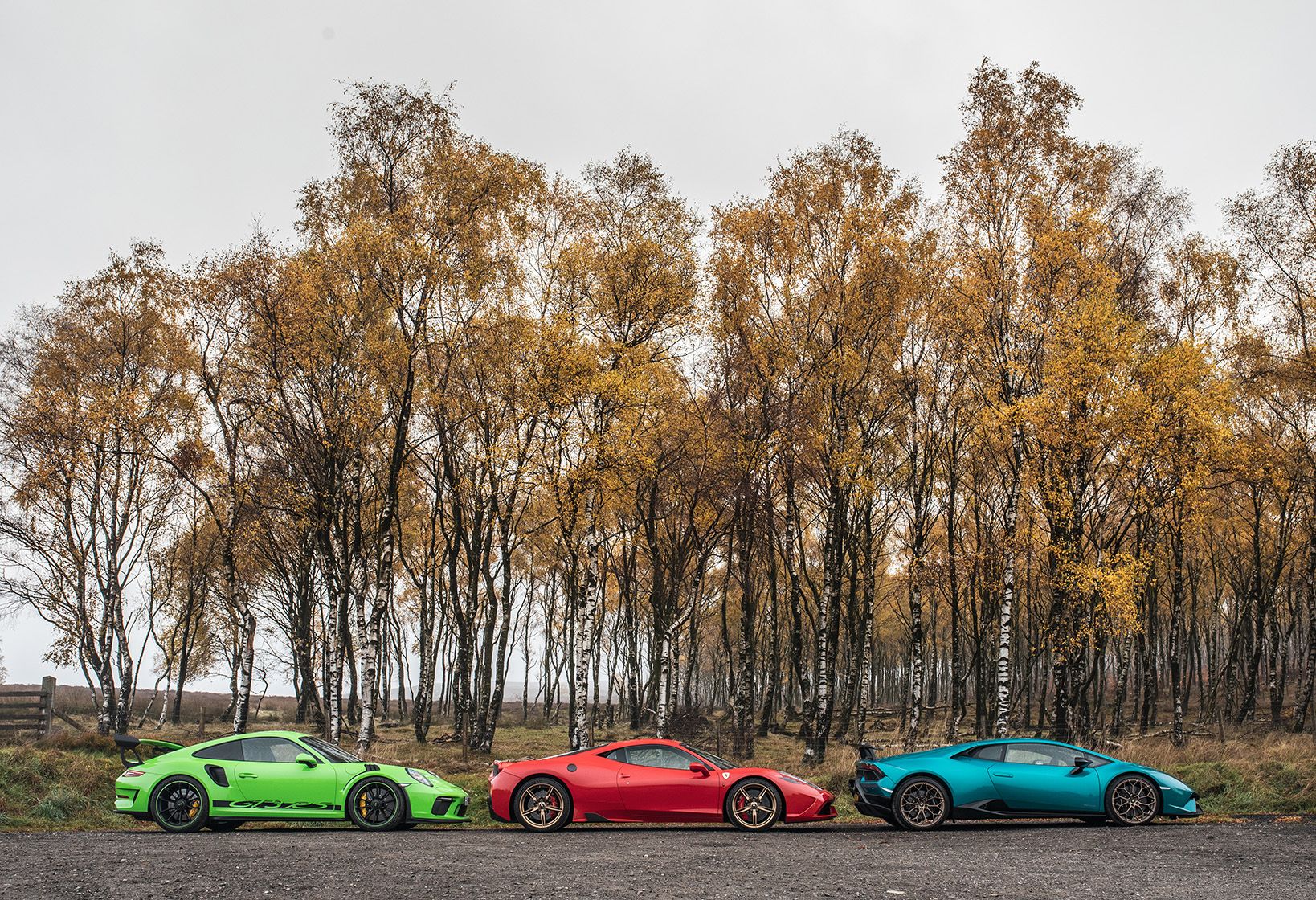
The Ferrari 355 isn't simply a mid-engined V8 Ferrari. The 997 GT3 isn't simply another Porsche. The E46 M3 CSL isn't simply a BMW. The Aston Martin V12 Vantage isn't simply an Aston Martin. For a generation of enthusiasts, they're memories.
They're the cars that appeared on walls, in magazines, on television screens and occasionally, tantalisingly, on the road in front of us. And perhaps that's why the modern classic phenomenon is so personal. Ask someone what their favourite modern classic is and you're not really asking which car they think is objectively best. You're asking them which car made them fall in love with cars in the first place.
And somewhere, right now, there's a child doing exactly the same thing. Perhaps they're watching a video of a Ferrari 812 Competizione being driven through an Italian mountain pass, maybe they've got a poster of a 992 Porsche GT3 RS on their bedroom wall, perhaps they're collecting miniature versions of cars they can't possibly afford, or they're standing at the roadside as a Lamborghini Huracan STO passes and watching it disappear around the corner.
They don't know it yet, but twenty years from now they might still remember that exact moment. They’ll remember the name of the paint colour, the road they were stood by, the sound of the engine as it sped off. And more importantly the feeling that it gave them in that moment.
That's the wonderful thing about cars. We don't simply collect them, we collect the memories attached to them. And more often than not, the modern classics in our garages aren't really the cars we chose to buy because of how what we think of them just now. They're the cars we've been choosing since we were children.