Feature
The Finest V12 Combustion Engine Cars for Sale!
We’ve searched our selection of Dealer Partners to find some of the finest V12s available for you to buy right now.
November 4, 2026
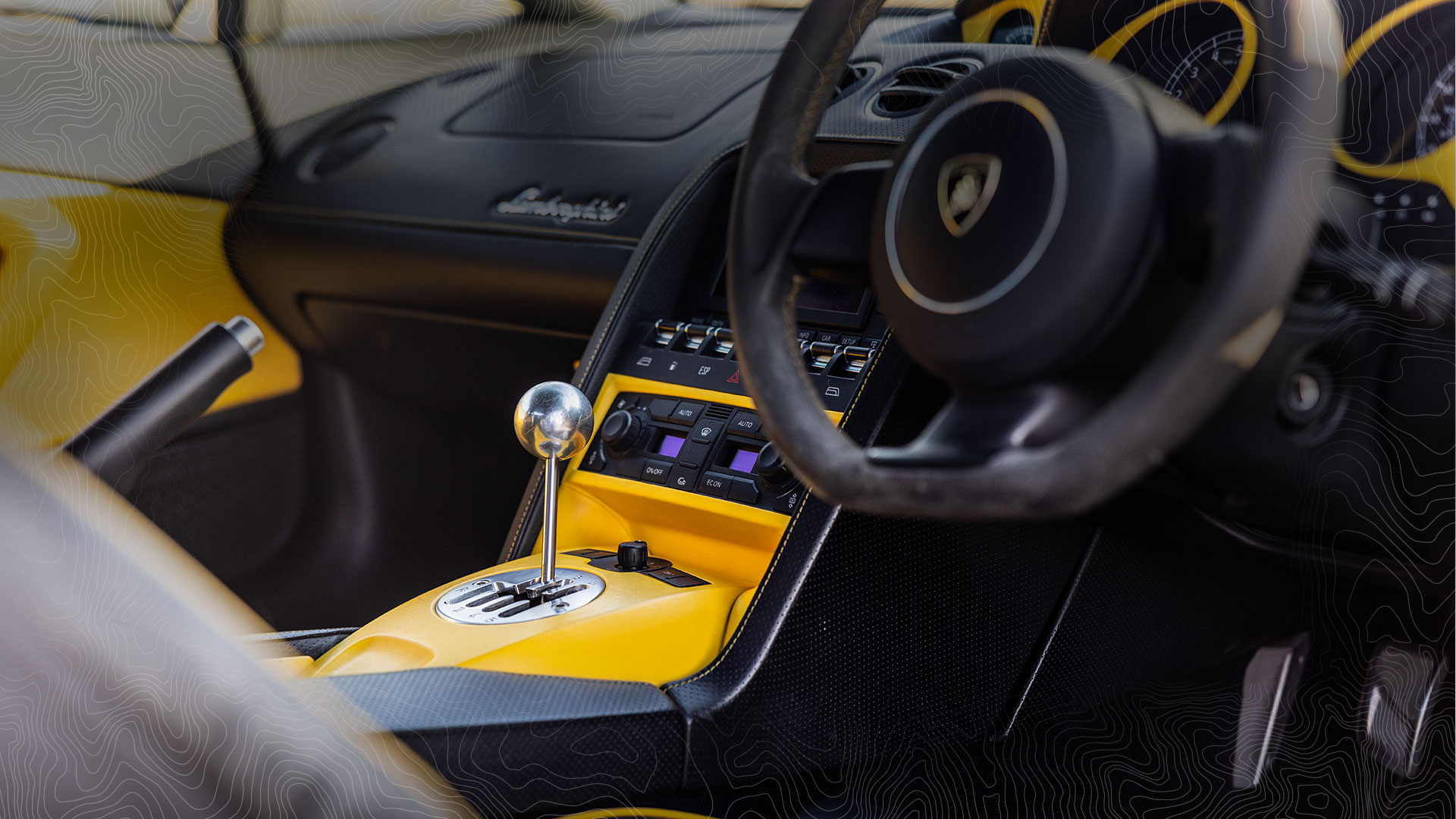
Is it the manual itself we miss, or just what it represents?
There was a time when buying a supercar meant accepting a certain amount of compromise. They could be temperamental, demanding and occasionally frustrating. The clutch might be heavy, the gearbox could be awkward in traffic, and getting the best out of the engine required a degree of mechanical sympathy that wasn't always rewarded with perfect results.
Then technology arrived to make everything better.
Gear changes became faster. Launch control made getting off the line easier. Traction control became increasingly sophisticated, and dual-clutch gearboxes allowed drivers to extract performance that would have been difficult to replicate consistently with a conventional manual. Cars became quicker, more capable and, in many ways, better at everything they were designed to do.
We embraced it. Of course we did. Who wouldn't want a car that was faster, more responsive and more effective? Yet, somewhere along the way, something changed. And today, as the appeal of Modern Classics continues to grow, we find ourselves looking back at the very things we once couldn't wait to leave behind. Chief among them is the manual gearbox.
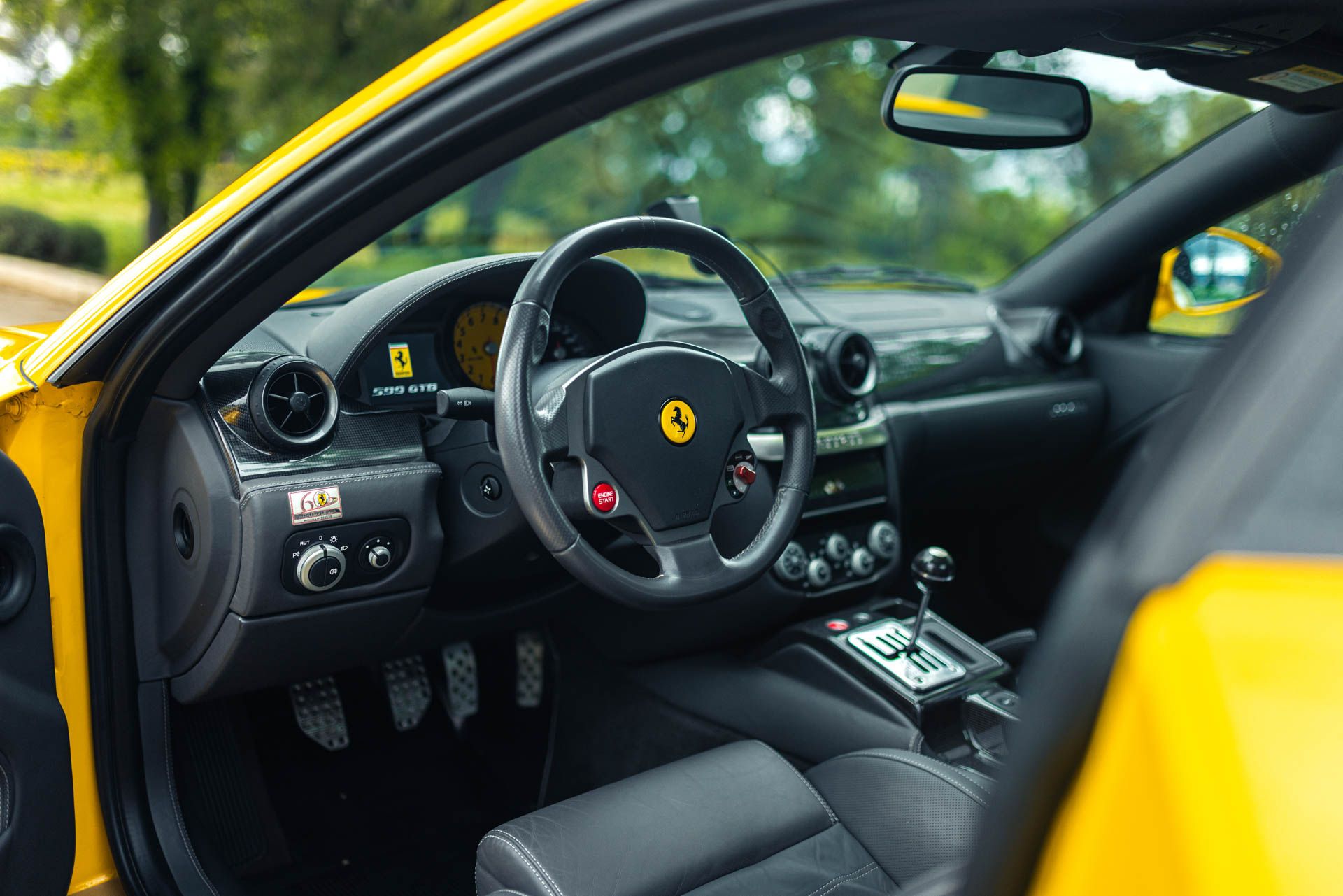
The arrival of automated manual gearboxes and, later, increasingly sophisticated dual clutch transmissions represented a genuine revolution in performance cars. Ferrari's F1 style transmissions, Lamborghini's paddle shift systems and the Porsche Doppelkupplungsgetriebe (any excuse just to write that word) or PDK gearbox changed our expectations of what a supercar could do.
With a PDK equipped Porsche 911 or a modern dual clutch supercar, gear changes happen in fractions of a second. There is no need to coordinate a clutch pedal, judge the revs or worry about losing momentum between ratios. The technology is so effective that it can make even an experienced driver feel considerably more capable than they might otherwise be.
On the track, the advantages are obvious. The gearbox delivers the right ratio with remarkable consistency, allowing the driver to concentrate on braking points, cornering speeds and throttle application. The stopwatch doesn't care how satisfying a gear change felt. It cares about the time between crossing the start and finish lines.
But is that the whole point of driving a supercar?
For years, we measured progress through numbers. More horsepower. Faster acceleration. Quicker lap times. Greater grip. Every new generation had to outperform the last, and the transmission was a crucial part of that evolution. The manual gearbox simply couldn't compete on those terms. It was slower, demanded more effort and introduced another opportunity for the driver to get something wrong.
And so we moved on. But has it all got a bit silly now?
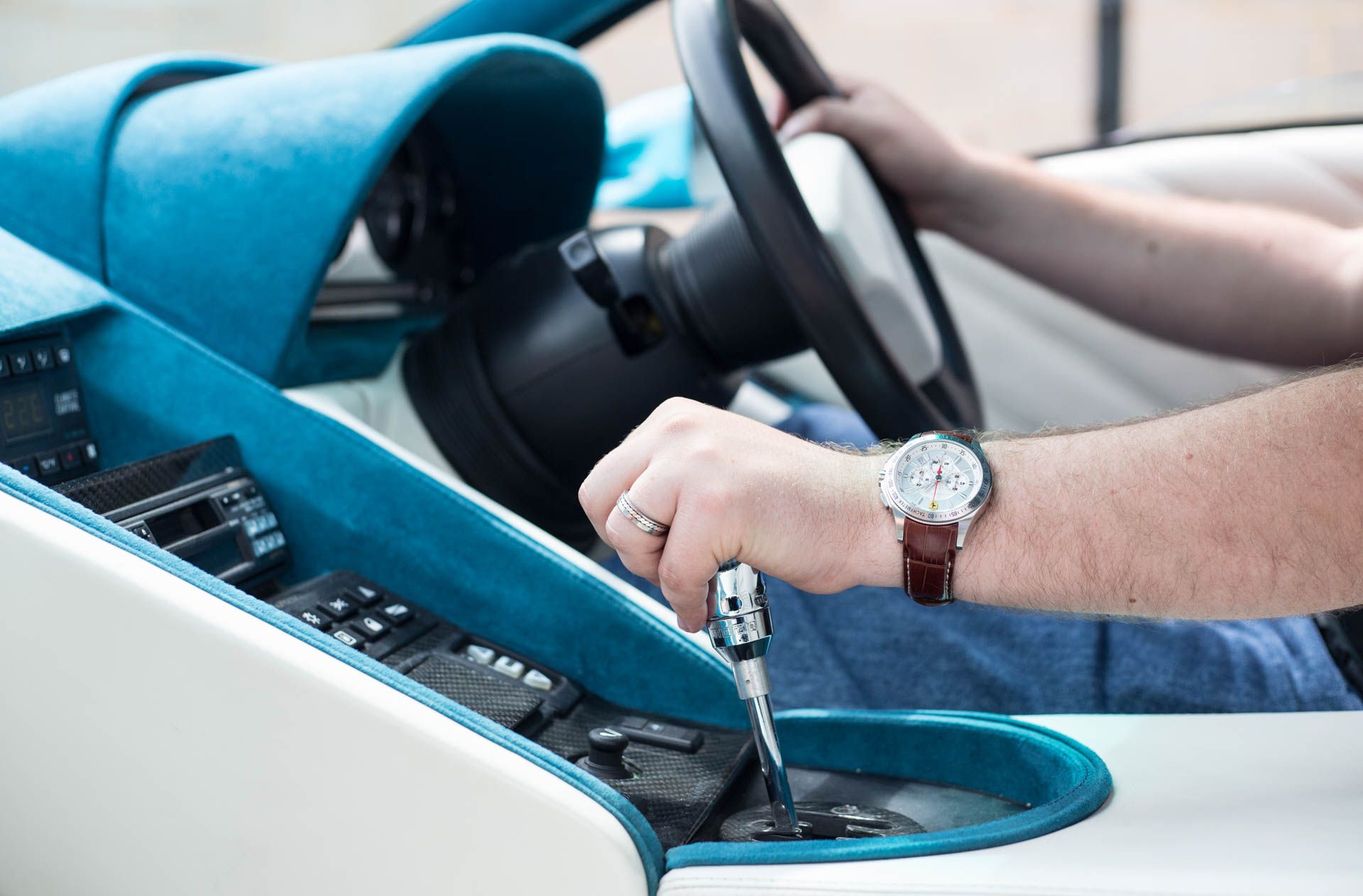
Perhaps the mistake wasn't embracing the technology, it was assuming that everything a driver valued could be measured in performance figures. Supercars these days have arguably become too powerful, too quick at accelerating, too capable round a corner and too obsessed with outdoing the last one. Driver enjoyment has been replaced with the obsession for power figures and speed.
So back to the gearbox. There is a particular satisfaction in executing a perfect manual gear change. The clutch comes up, the revs settle, the lever finds its way into the next ratio and the engine continues pulling. When everything comes together, the process feels almost instinctive. It feels like something you have to earn.
A poorly judged downshift can unsettle the car. A clumsy change can interrupt the flow. Get the rev matching wrong and the engine reminds you that you haven't quite mastered it. There is a physical relationship between your inputs and the machine's response, and the feedback is immediate. That is part of the appeal.
Driving a manual is not simply a case of choosing which gear you want. It is about managing the process of getting there. Your left foot, right foot and left hand are all involved, working in coordination with the engine, the road speed and the demands of the corner ahead. When it works, you feel responsible for the result. And when it doesn't, you know exactly where to look.
A modern dual clutch gearbox removes much of that responsibility. It executes your request with a speed and precision that no human could consistently match. Yet, in doing so, it also removes a layer of interaction between driver and machine. Perhaps what we miss is not the inconvenience of a manual gearbox, but the satisfaction of being an active participant in the process.
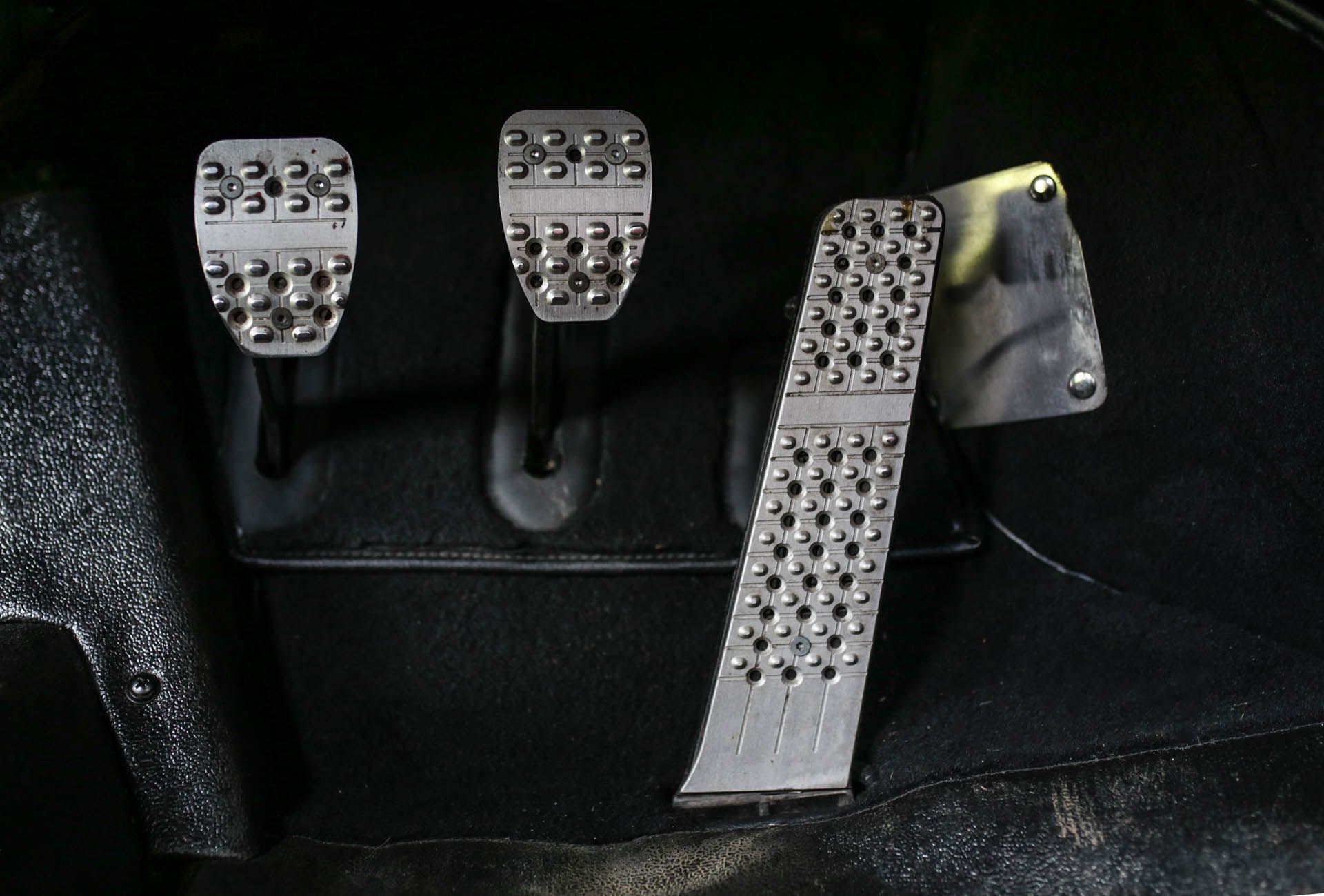
As cars have become faster, more stable and more technologically sophisticated, the boundaries between driver and machine have shifted. Electronic systems manage traction, optimise gear selection and intervene when necessary. Steering assistance, adaptive suspension and increasingly complex driving modes allow cars to deliver astonishing capability across a wide range of conditions.
Much of this is progress we should celebrate. These technologies can make cars safer, more usable and more rewarding to drive quickly. But they can also make the experience feel more curated. A manual gearbox gives you a job to do. It asks you to pay attention, to anticipate what comes next and to work with the car rather than simply instruct it.
But do we actually want the inconvenience back?
It is worth asking an uncomfortable question. If manual gearboxes were objectively better, why did so many buyers choose PDK, F1 and other automated transmissions when given the choice? The answer is obvious: the alternatives offered real advantages. They were faster, easier to use in traffic and often better suited to extracting the maximum performance from the car. Buyers weren't wrong to choose them.
Nor should we romanticise the manual to the point of ignoring its shortcomings. A heavy clutch in stop start traffic is still a heavy clutch. An awkward shift is still awkward. And a poorly executed gear change is not magically enjoyable simply because it is analogue.
There is also a danger that we confuse the experience of a manual gearbox with the wider nostalgia associated with the cars that offered them. The sound of a naturally aspirated engine, the feel of hydraulic steering, the absence of intrusive driver aids and the general character of an earlier generation can all contribute to the experience.
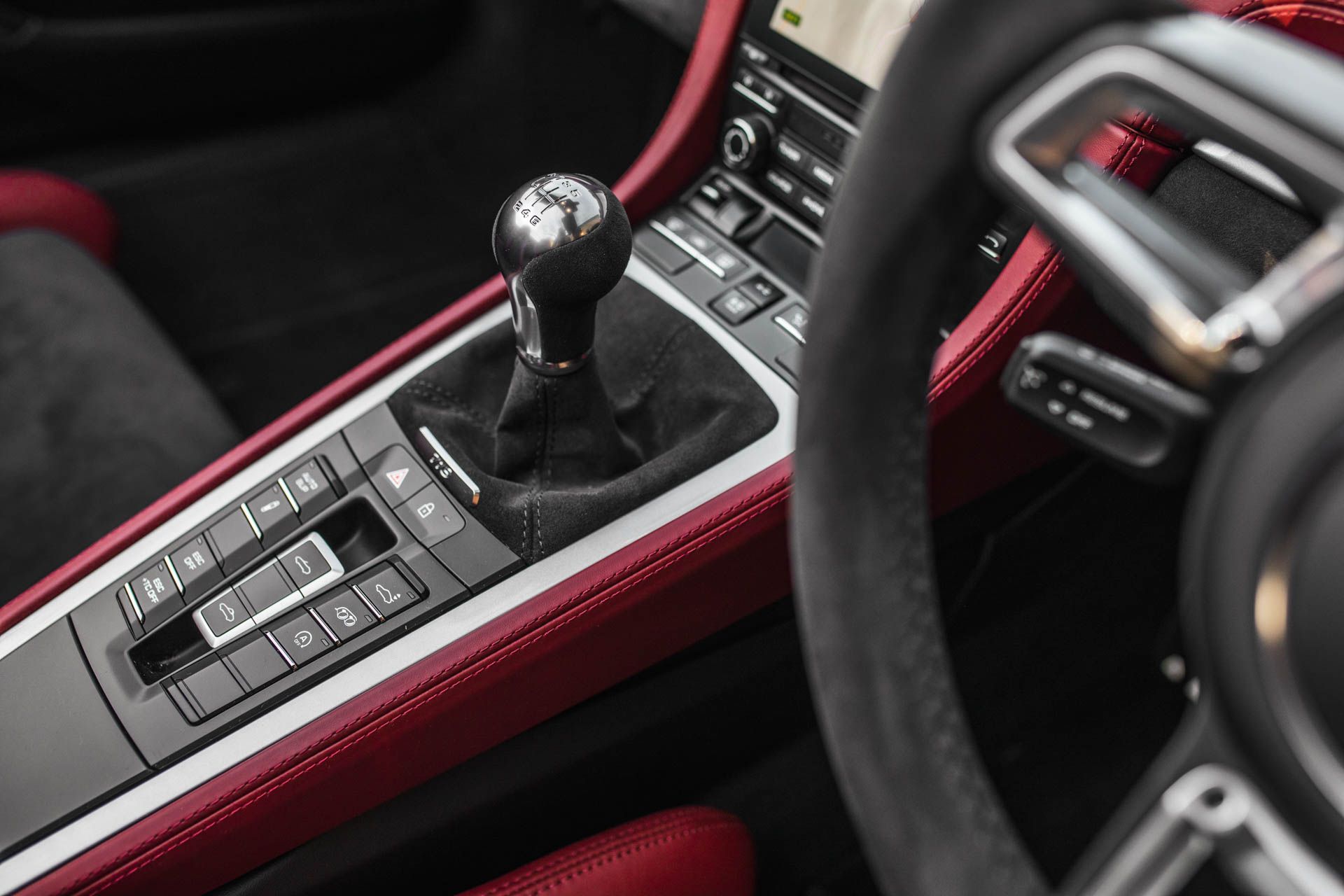
If it was merely down to the feeling of control and interaction then Ferrari have nailed it with the 12Cilindri Manuale. All of the factors are there, it all happens in the right order and requires the same driver input. But deep down you know none of it is quite as real in the same sense.
So Perhaps we don't miss manuals at all. We miss control.
Consider how we talk about a supercar today. We get fed horsepower figures, torque, acceleration times and transmission technology. We celebrate the engineering that allows a car to deliver extraordinary results with such consistency. Yet when we talk about the cars that we remember most fondly, the conversation often moves away from the numbers.
We talk about how the steering feels through your hands. The way the engine responded to the throttle. The sensation of matching the revs perfectly on a downshift. The way a car communicated what it was doing, and how much confidence it gave you to explore its character. These are difficult things to quantify, but they are often what make a car memorable.
The manual gearbox sits at the centre of this conversation because it places the driver in direct control of one of the most fundamental parts of the driving experience. It makes the relationship between input and outcome tangible. But perhaps the deeper desire is not for three pedals and a gear lever. It is for agency.
We want to feel that our decisions matter. That our skill makes a difference. That the car responds to us, rather than simply compensating for us. A manual gearbox happens to deliver that feeling exceptionally well. So can a great steering rack, a beautifully balanced chassis, a naturally aspirated engine or a set of controls that reward precision without filtering out every imperfection.
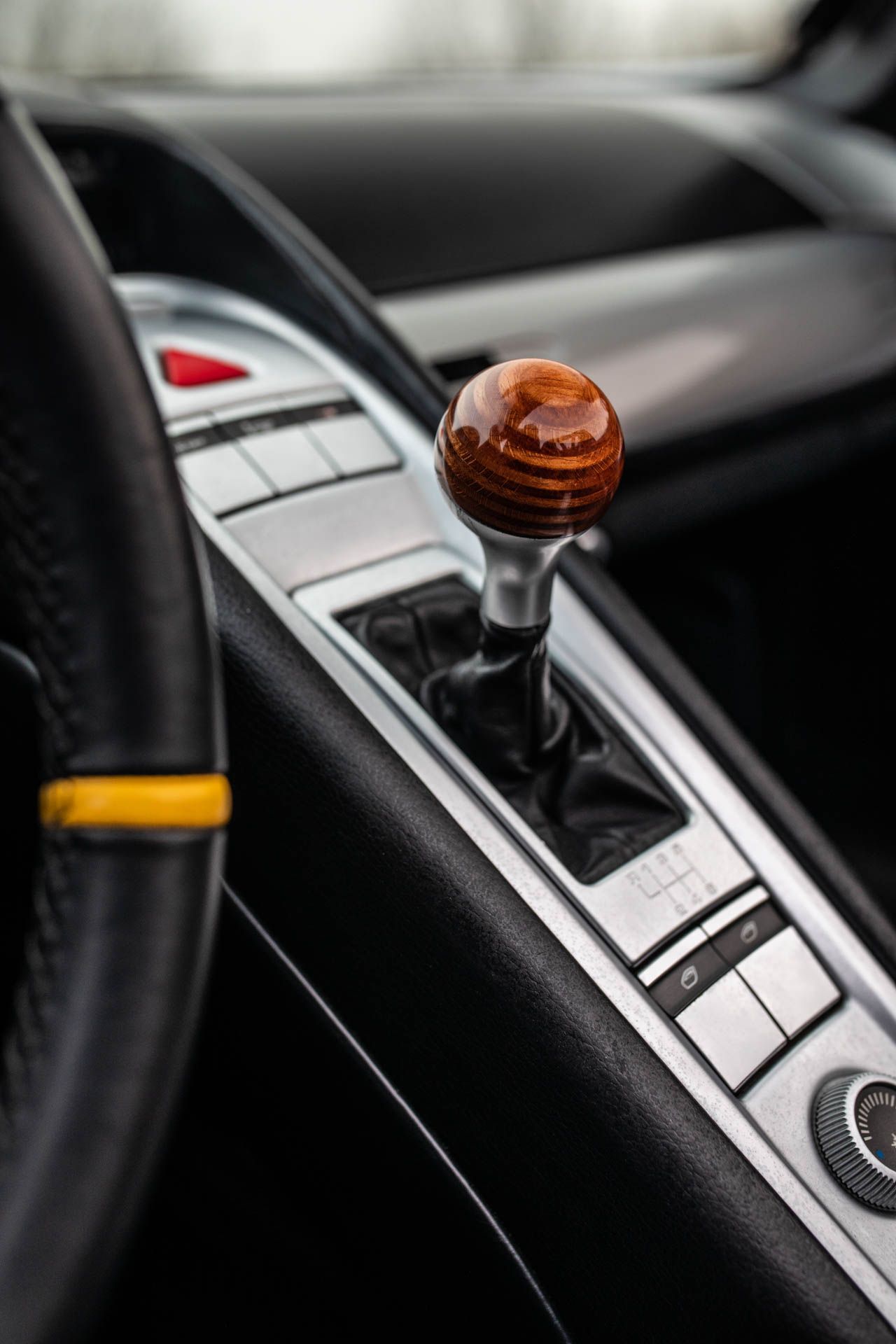
This is why the appeal of Modern Classics should not be reduced to a nostalgic obsession with the past. It is a reminder that the best driving experiences are not always the ones in which the machine does the most for us. Sometimes, the most rewarding car is the one that leaves just enough for us to do ourselves.
Perhaps the irony is that we spent years wanting faster gear changes, and we got them. We wanted more grip, more stability and more performance, and the industry delivered. But now, in a market where extraordinary speed has become increasingly accessible, the qualities that distinguish one driving experience from another are often less about how quickly a car can go and more about how it makes us feel along the way.
The manual gearbox is a powerful symbol of that shift in priorities. It may be slower. It may be less convenient. It may even be objectively inferior in the context of a lap time. But it gives the driver a physical connection to the process, and that connection can make the experience more rewarding.
So, do we really miss manual gearboxes?
Perhaps we do. But not necessarily for the reasons we think. We miss the challenge, the responsibility and the satisfaction of getting it right. We miss feeling that we are part of the machine, not simply the person telling it what to do. And if that is true, the lesson for the future of the supercar is not that we should abandon progress or return to a time when everything was slower and more difficult. It is that performance alone has never been enough.
The greatest driving cars are not necessarily those that make the driver feel most capable. They are the ones that make the driver feel most connected. And sometimes, that connection begins with a clutch pedal.