Feature
How Much Difference Do Lightweight Wheels Really Make?
A lighter wheel isn't just a lighter wheel. It is unsprung mass. It is rotating mass. But how much difference does that make?
October 10, 2026
The cars we once took for granted are now the ones we want back. Looking back at the early days of Supercar Driver and the golden age of Supercars.
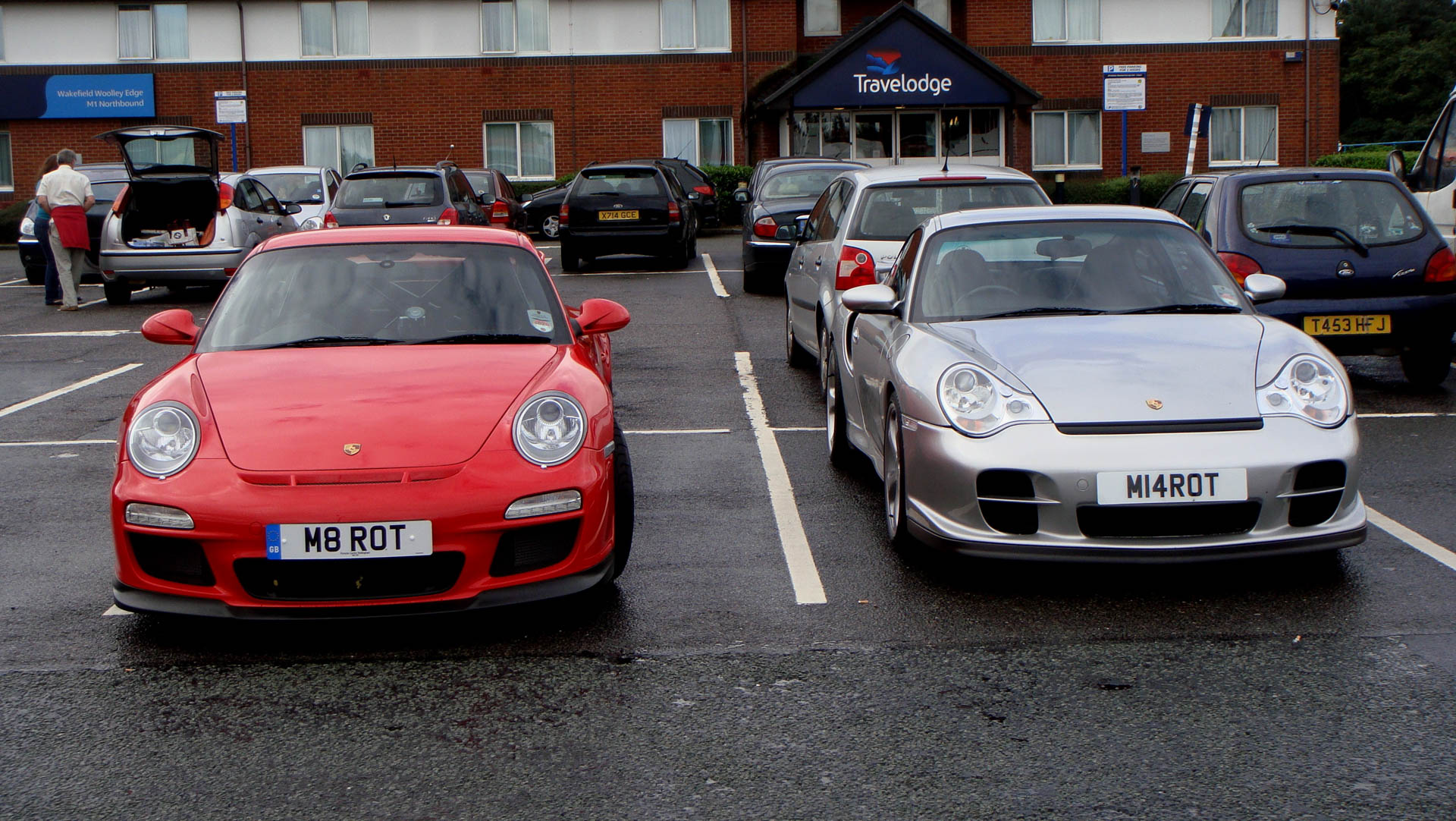
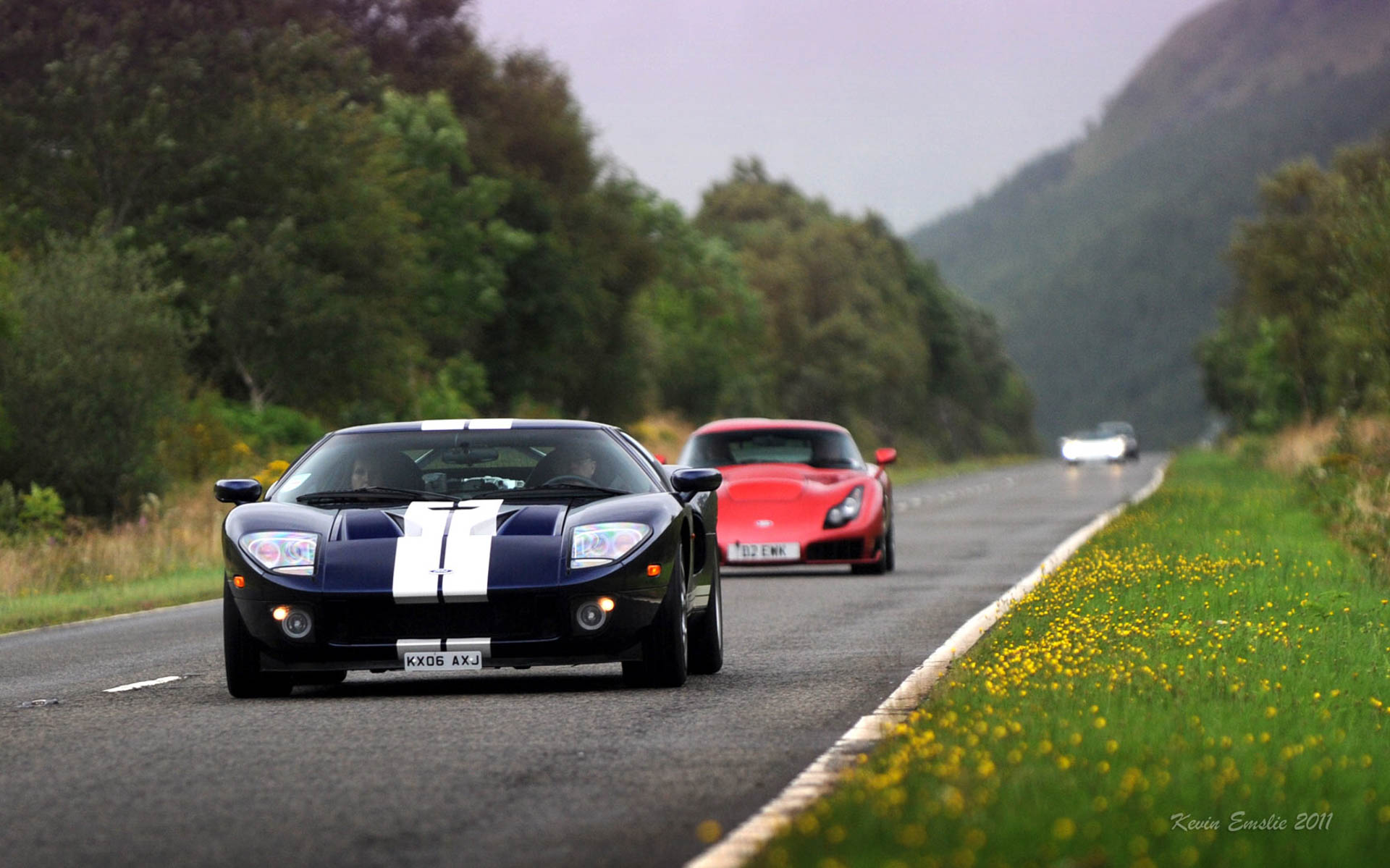
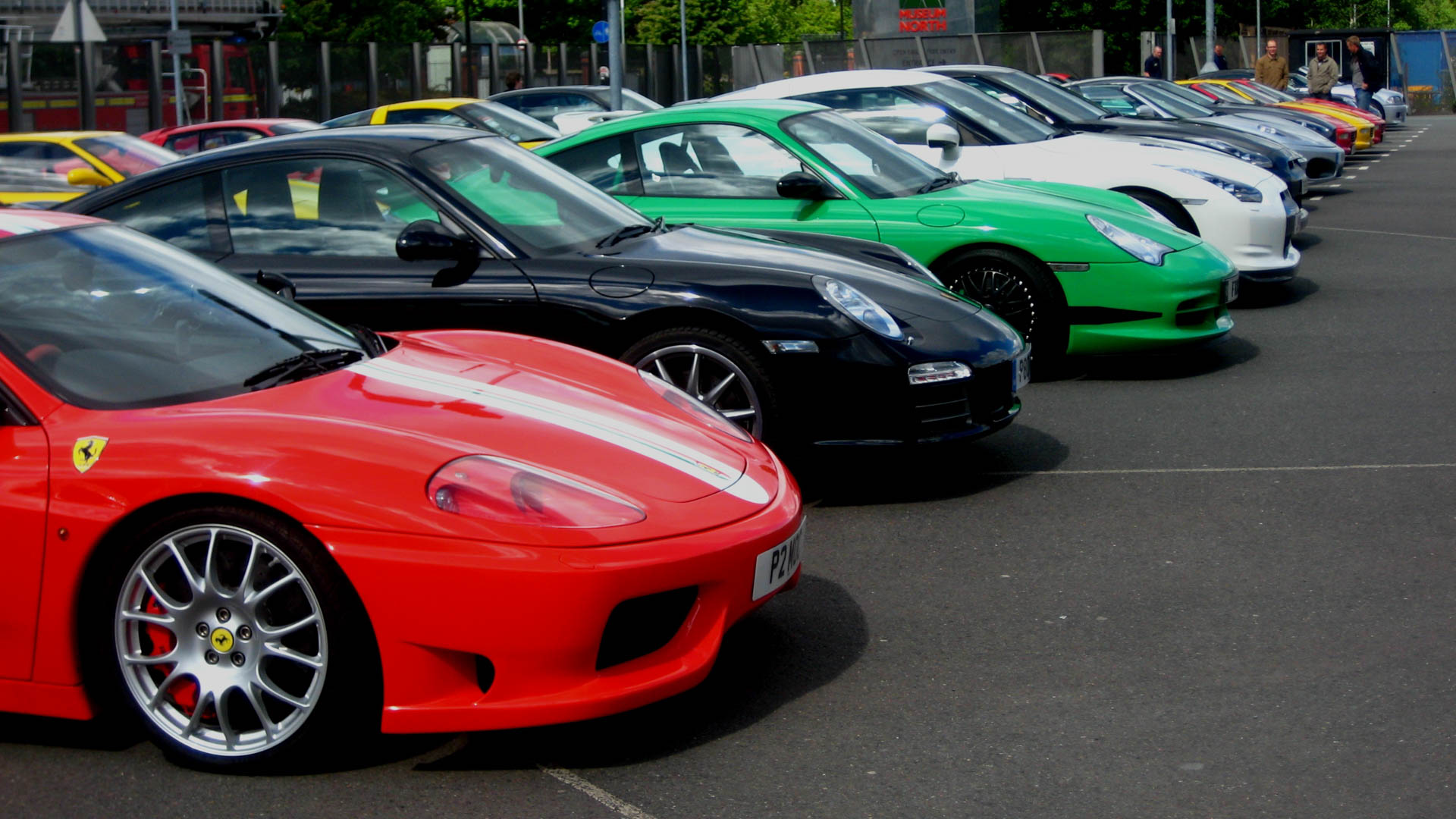
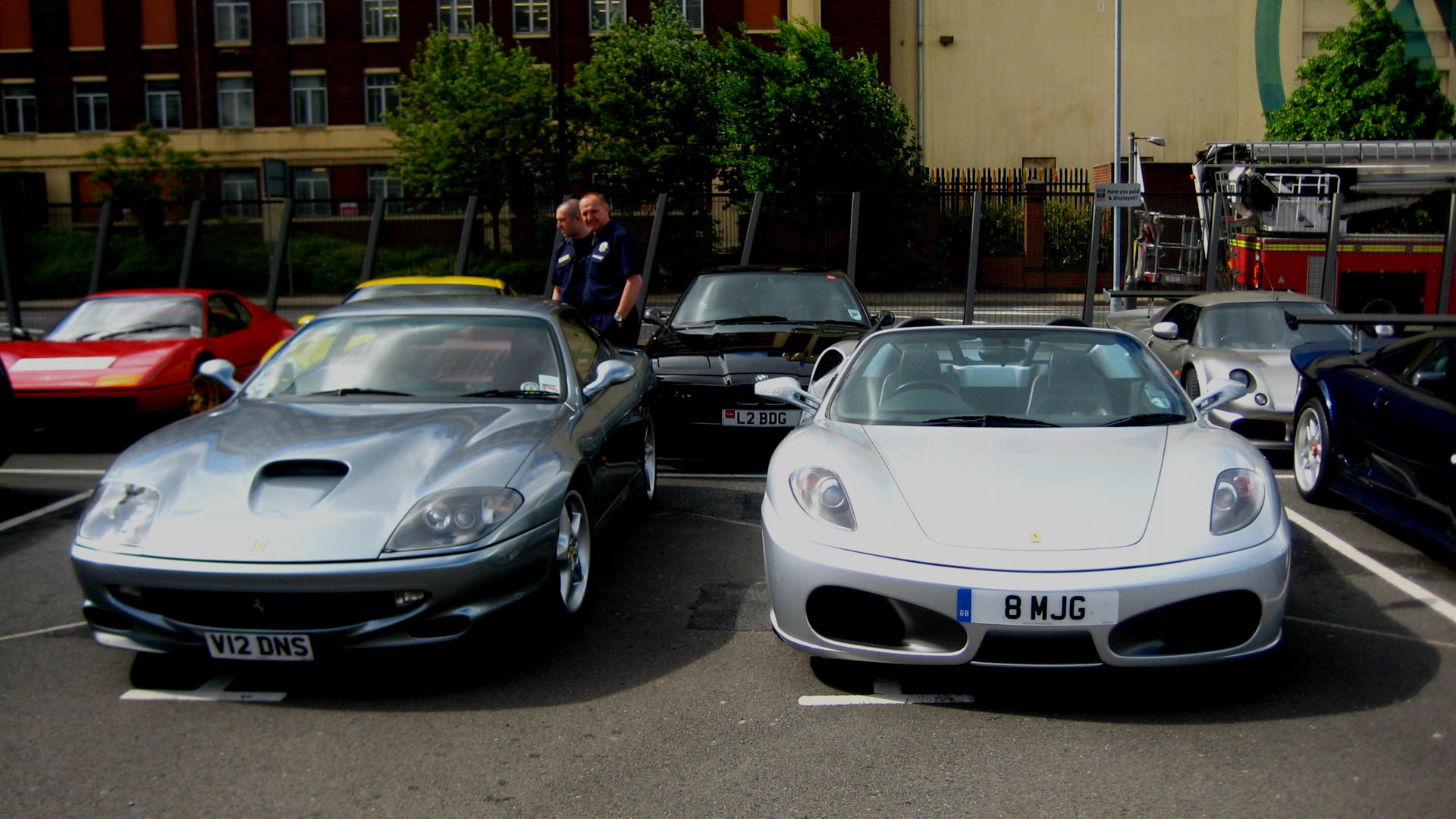
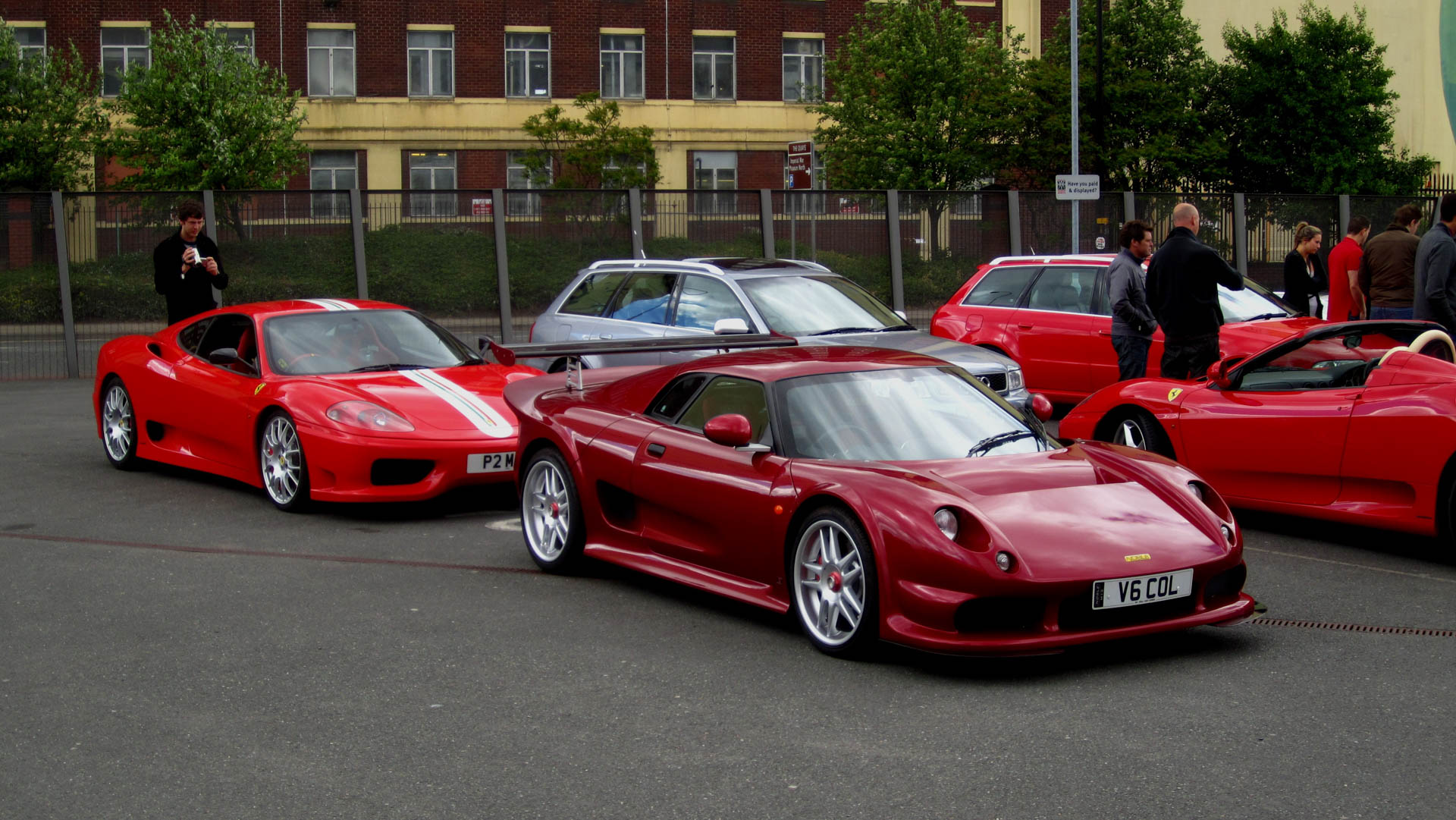
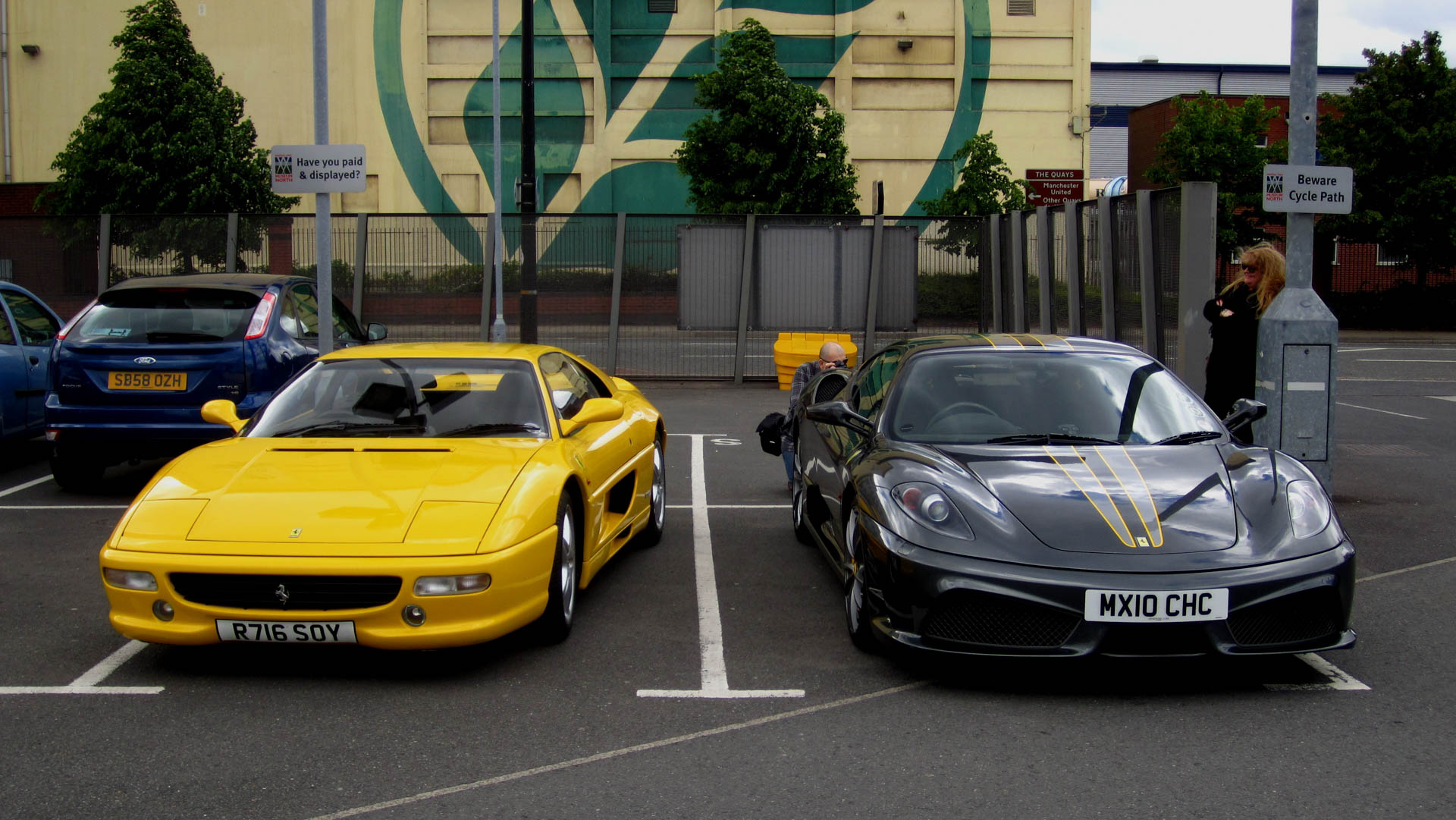
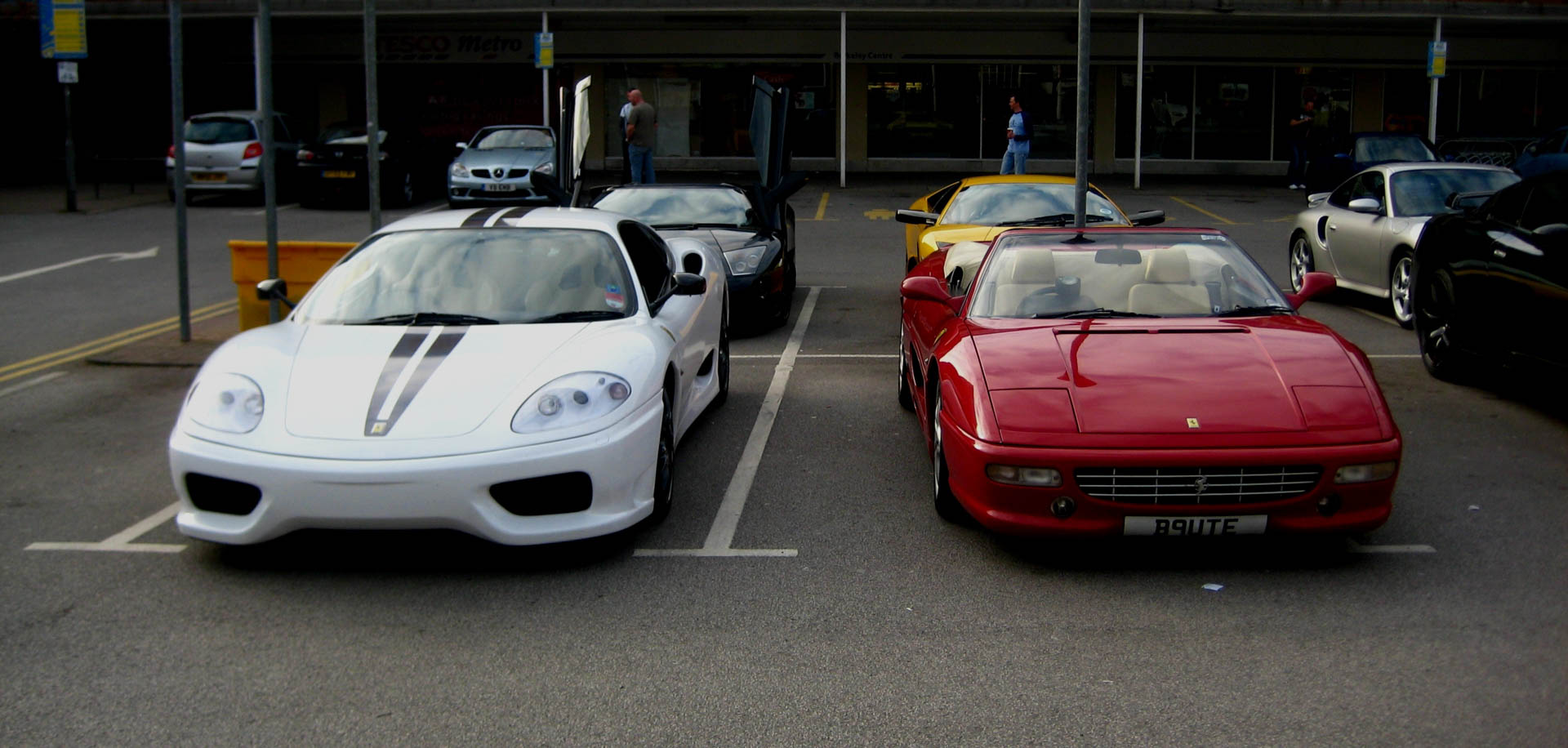
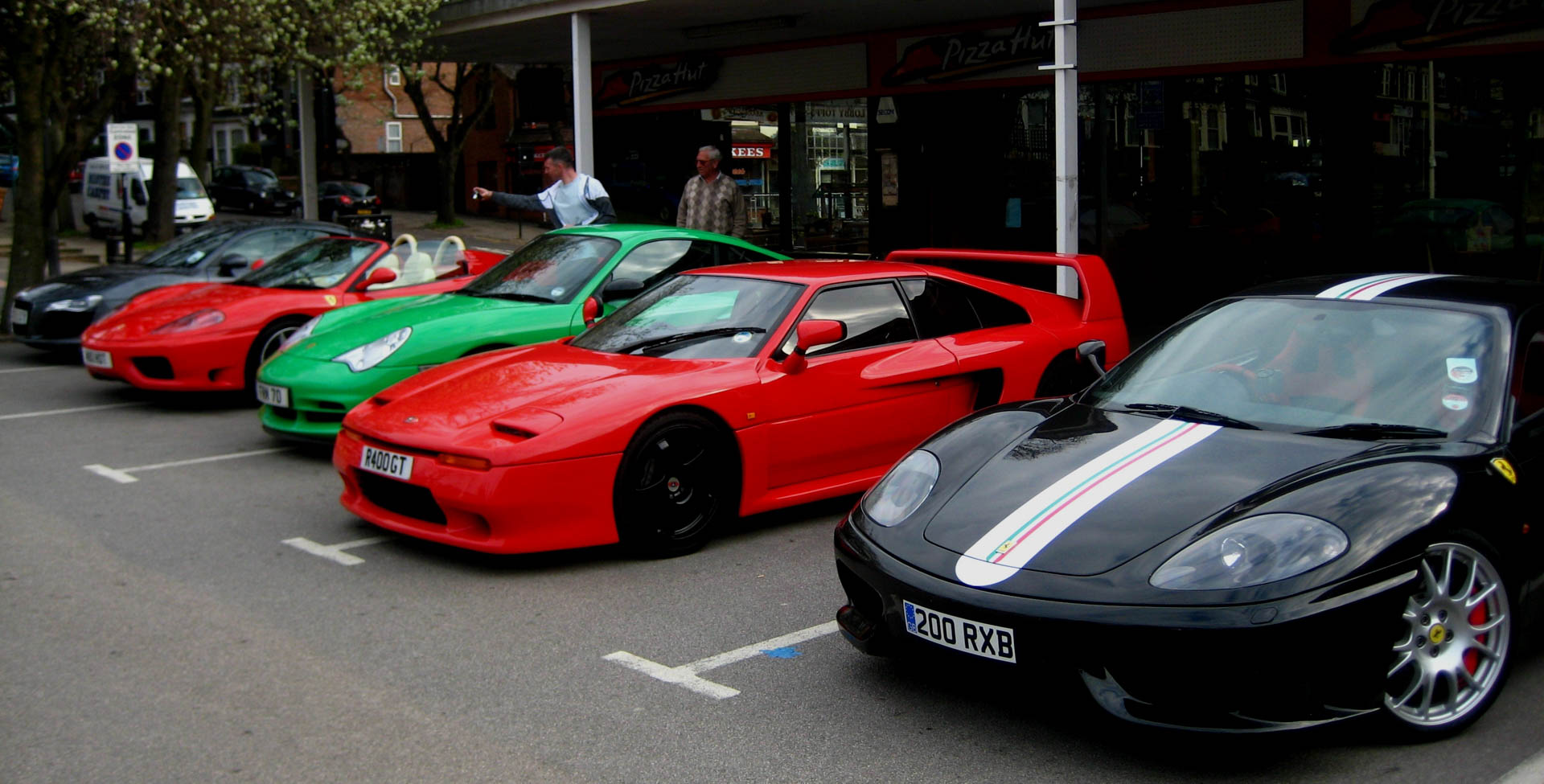
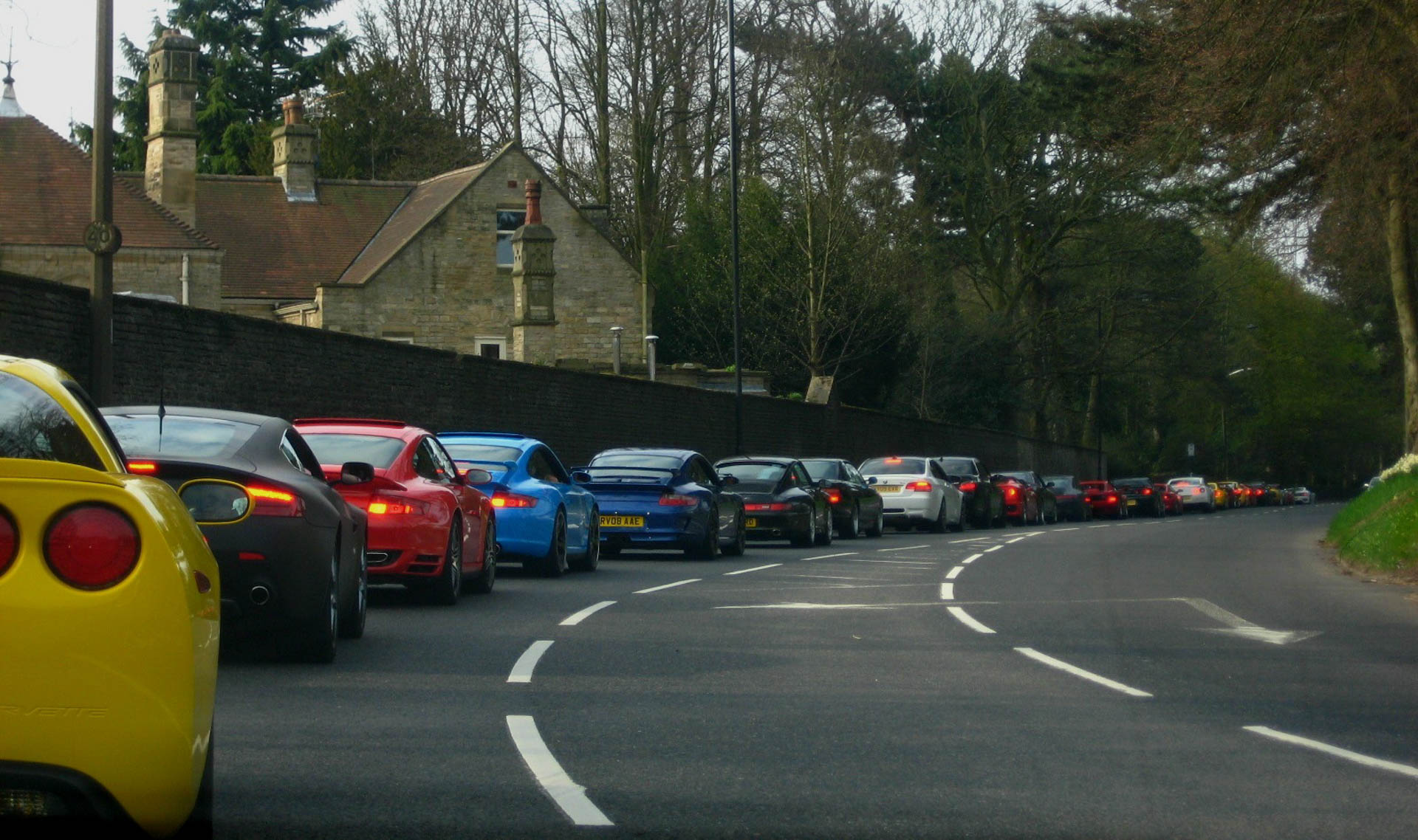
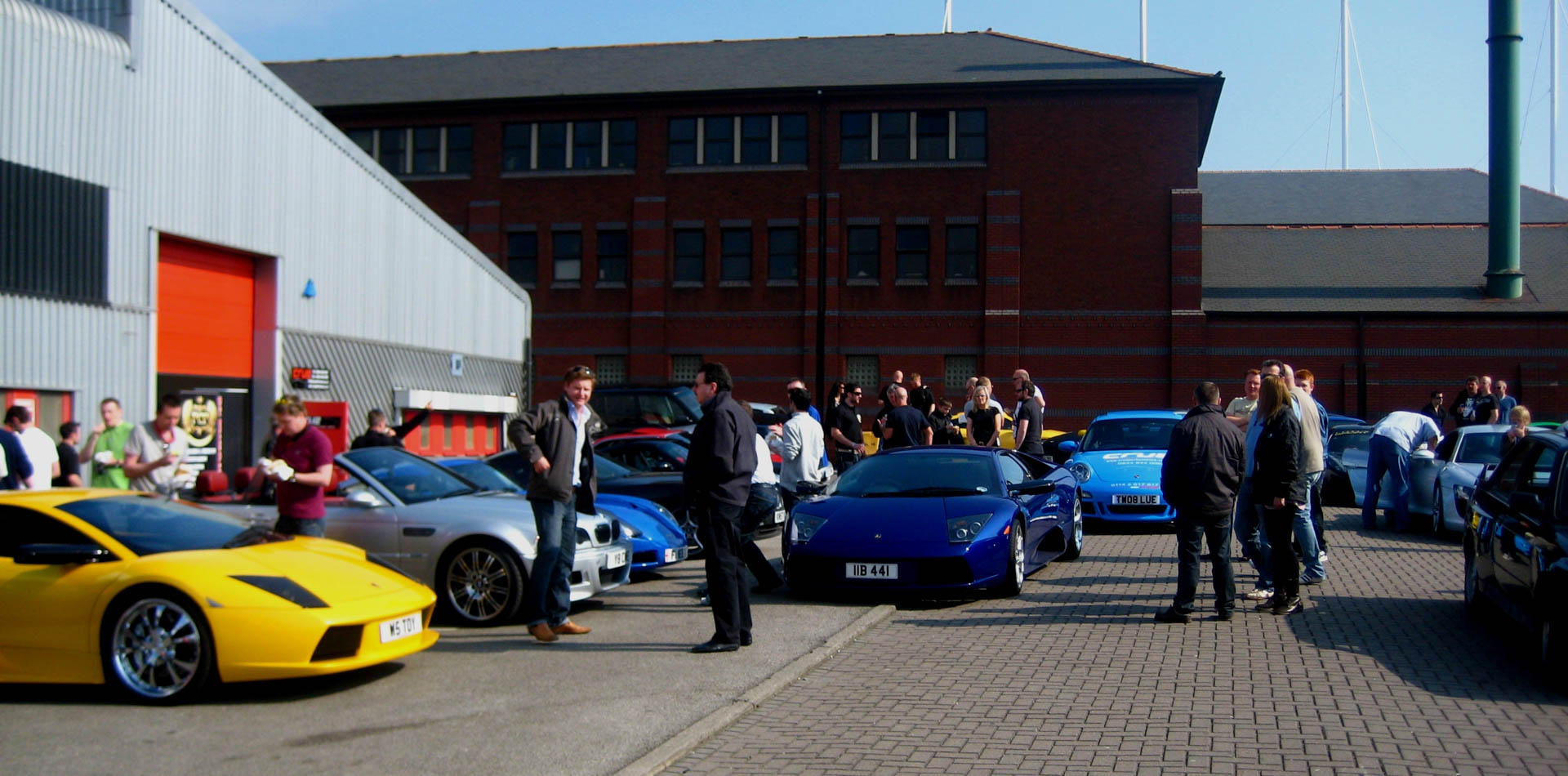
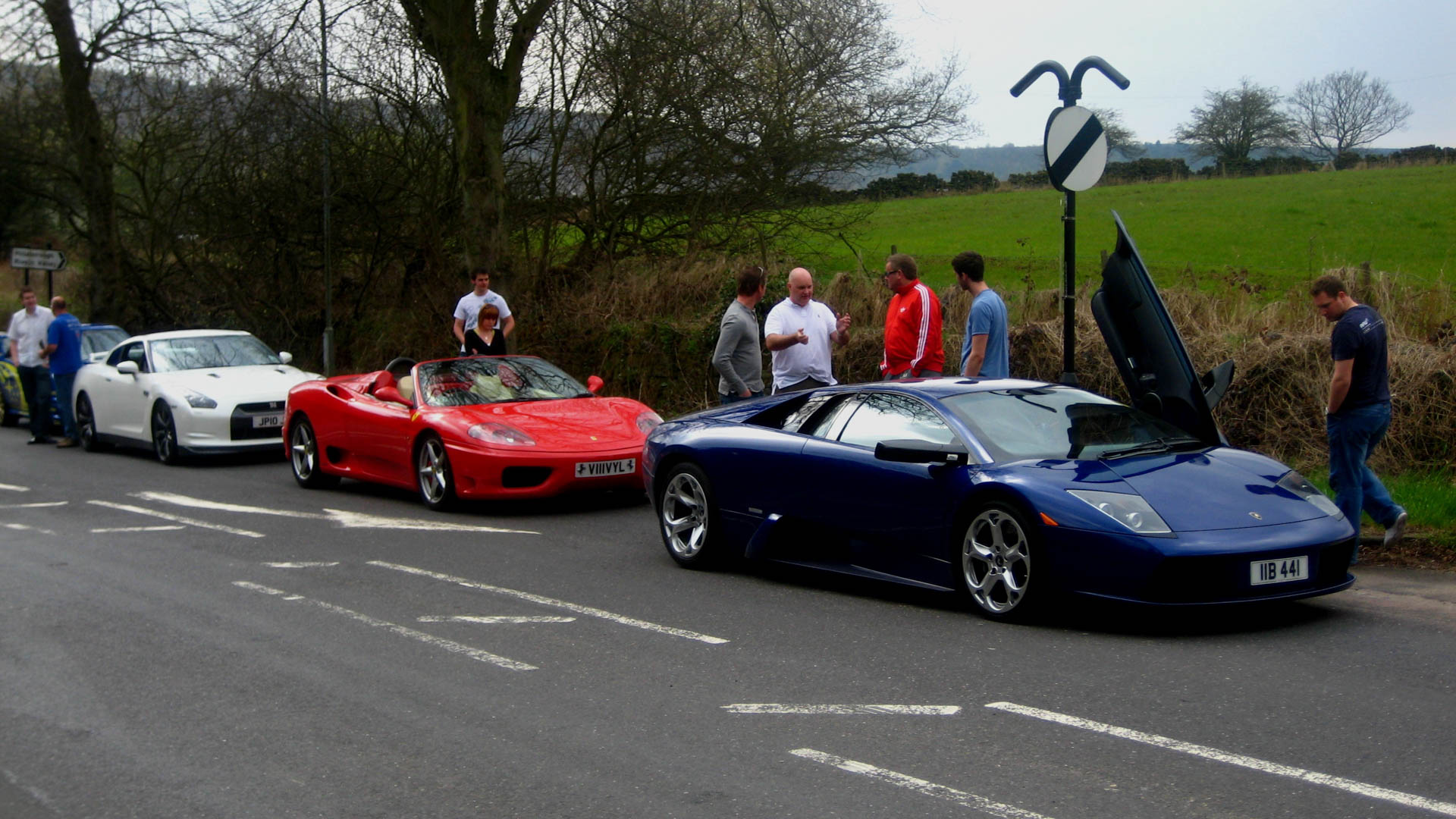
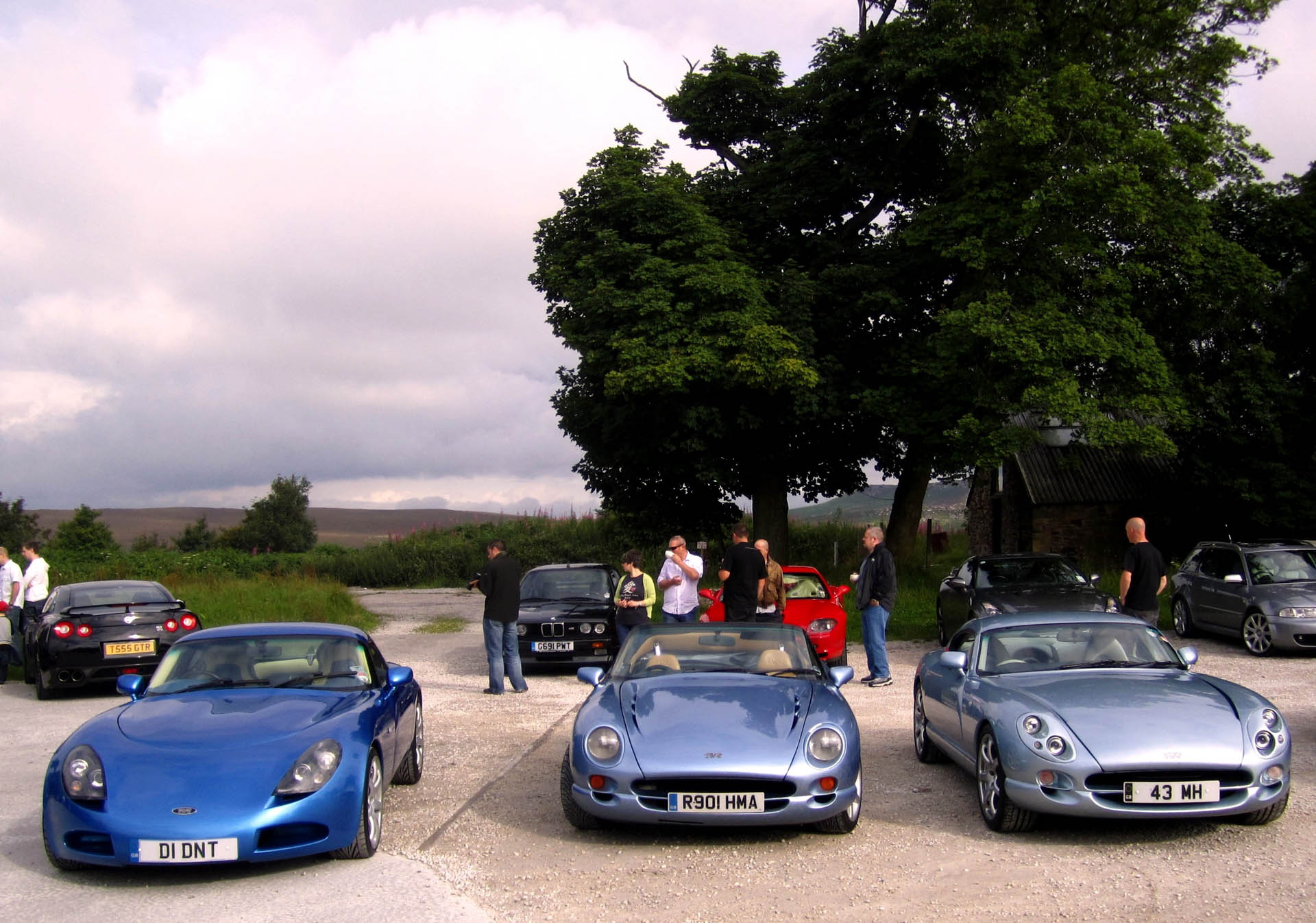
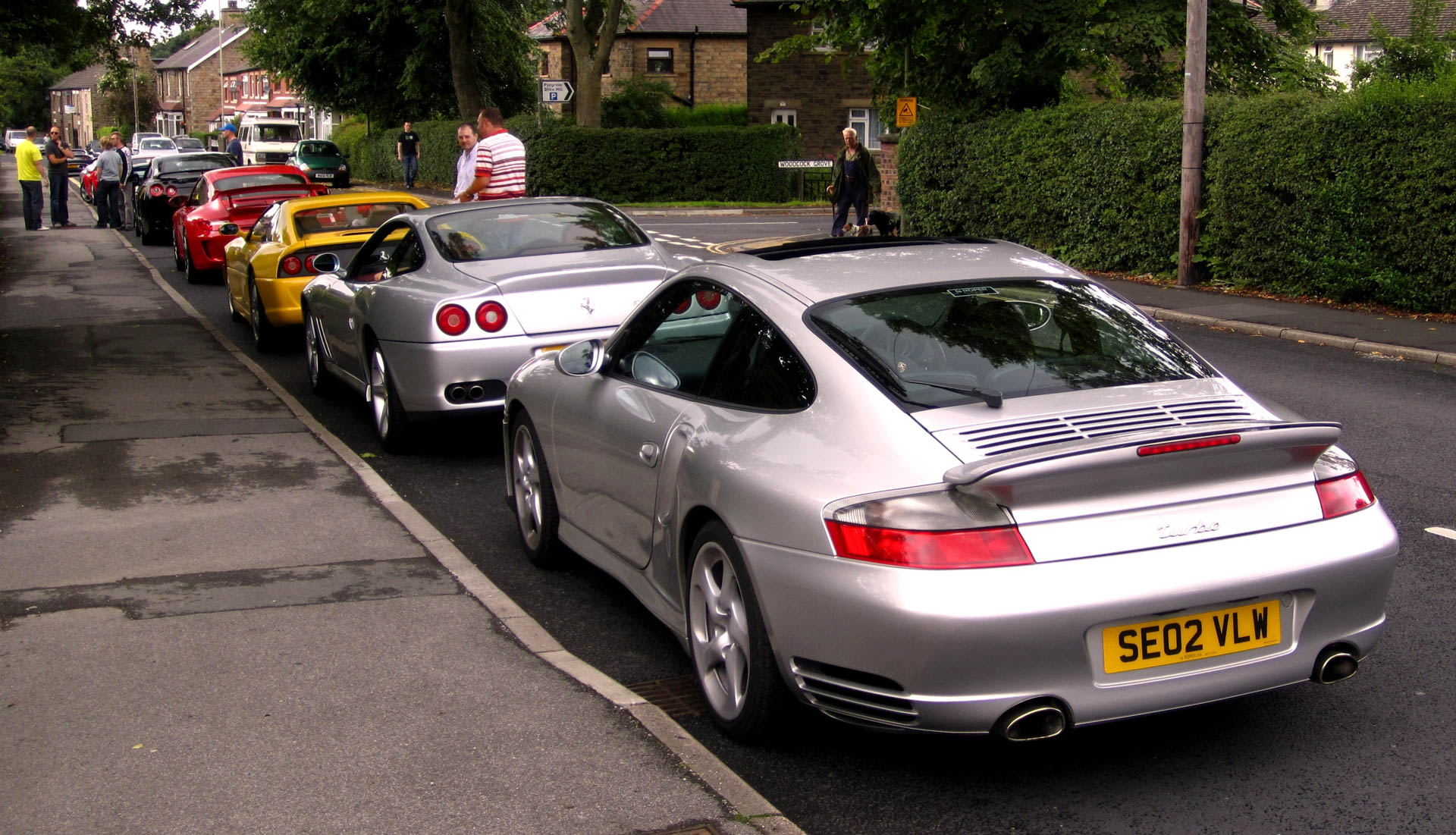
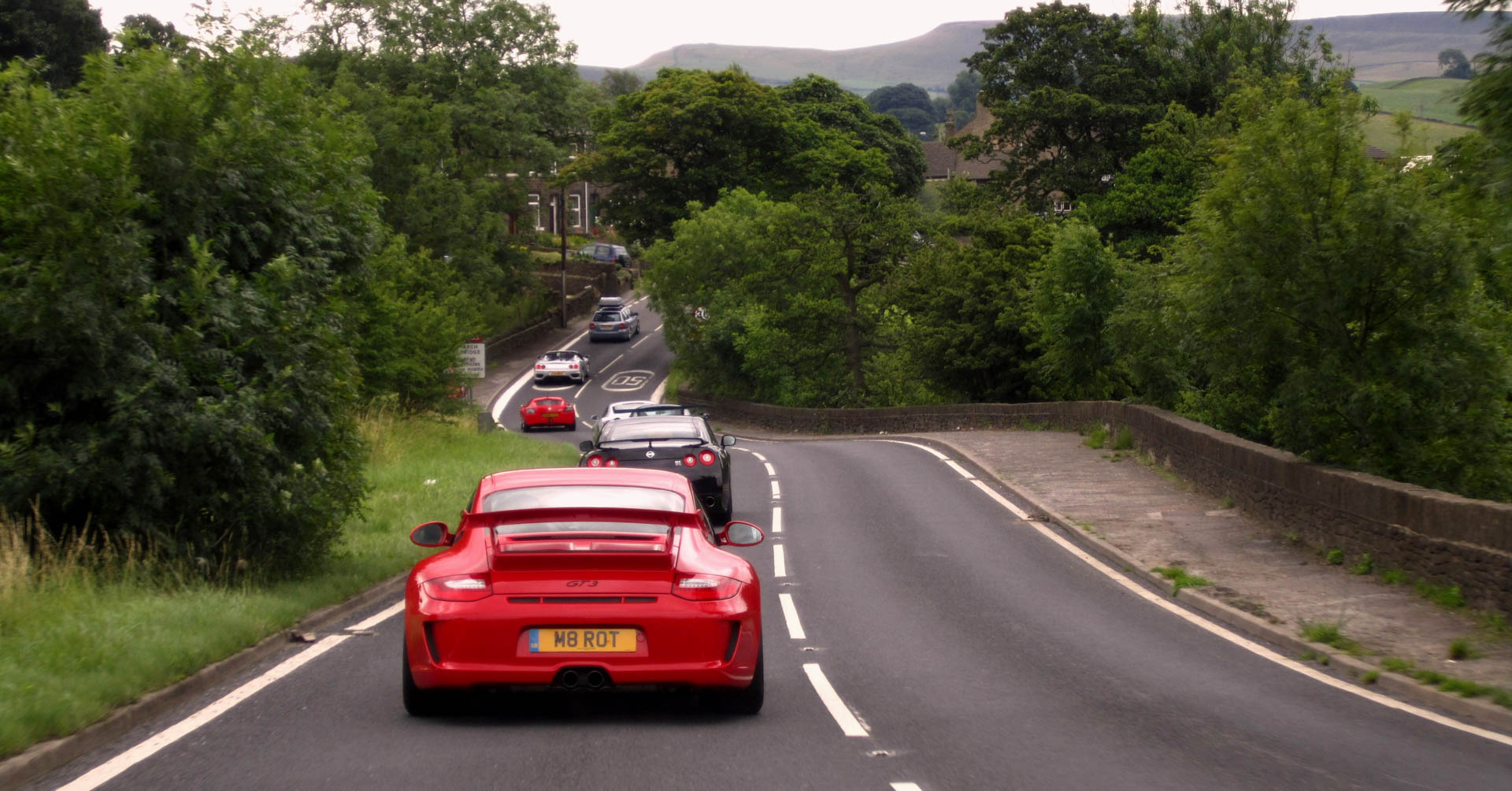
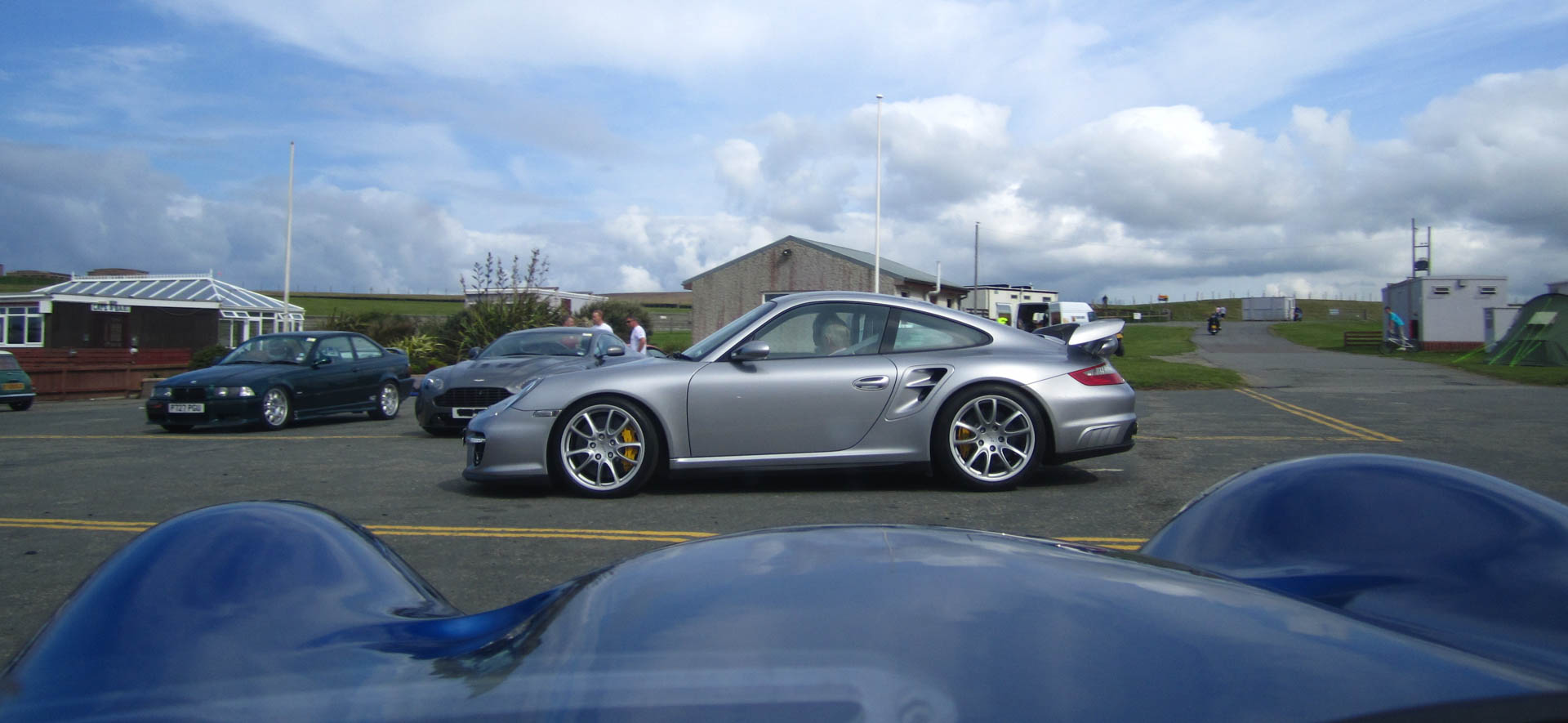
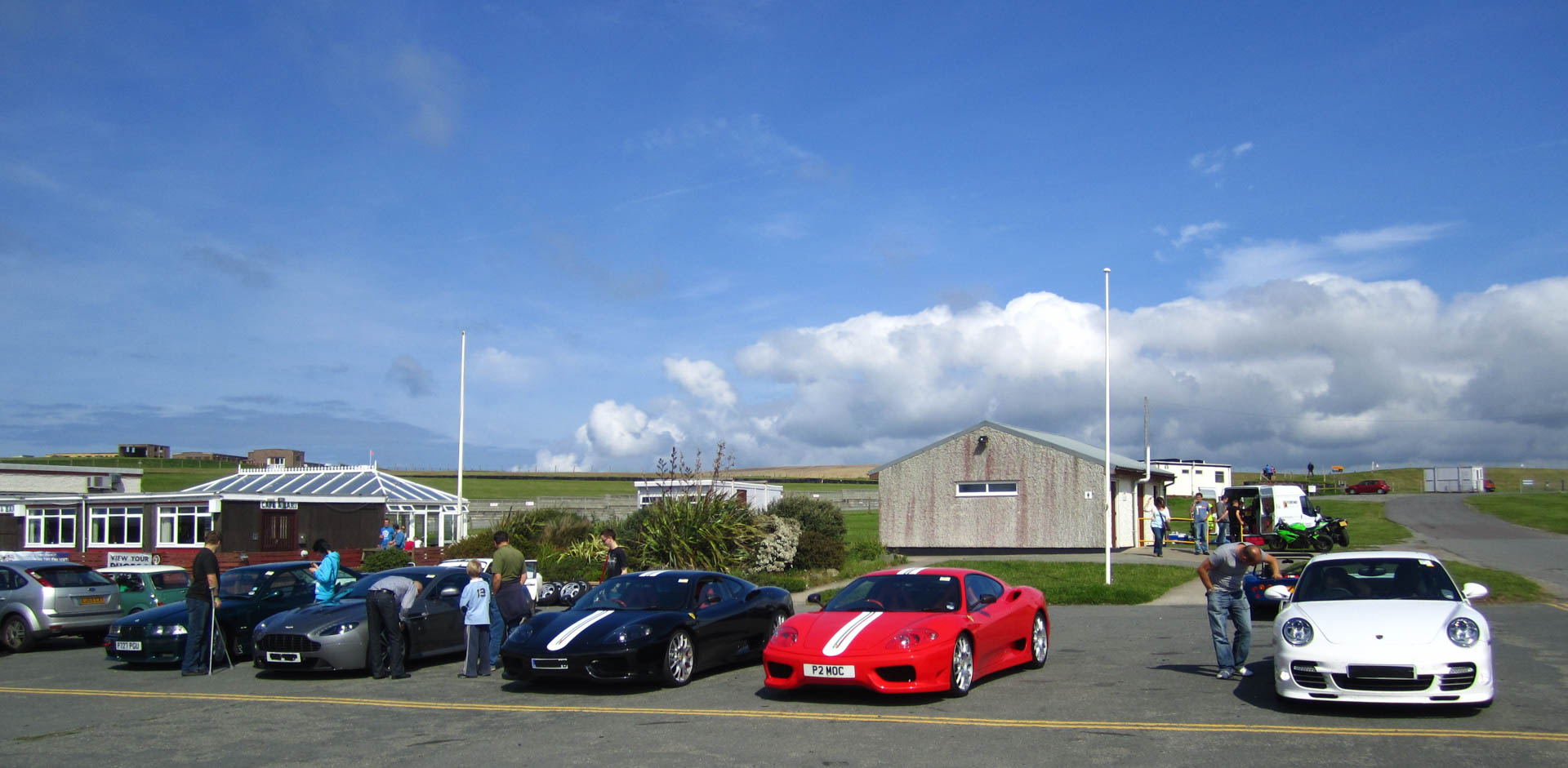
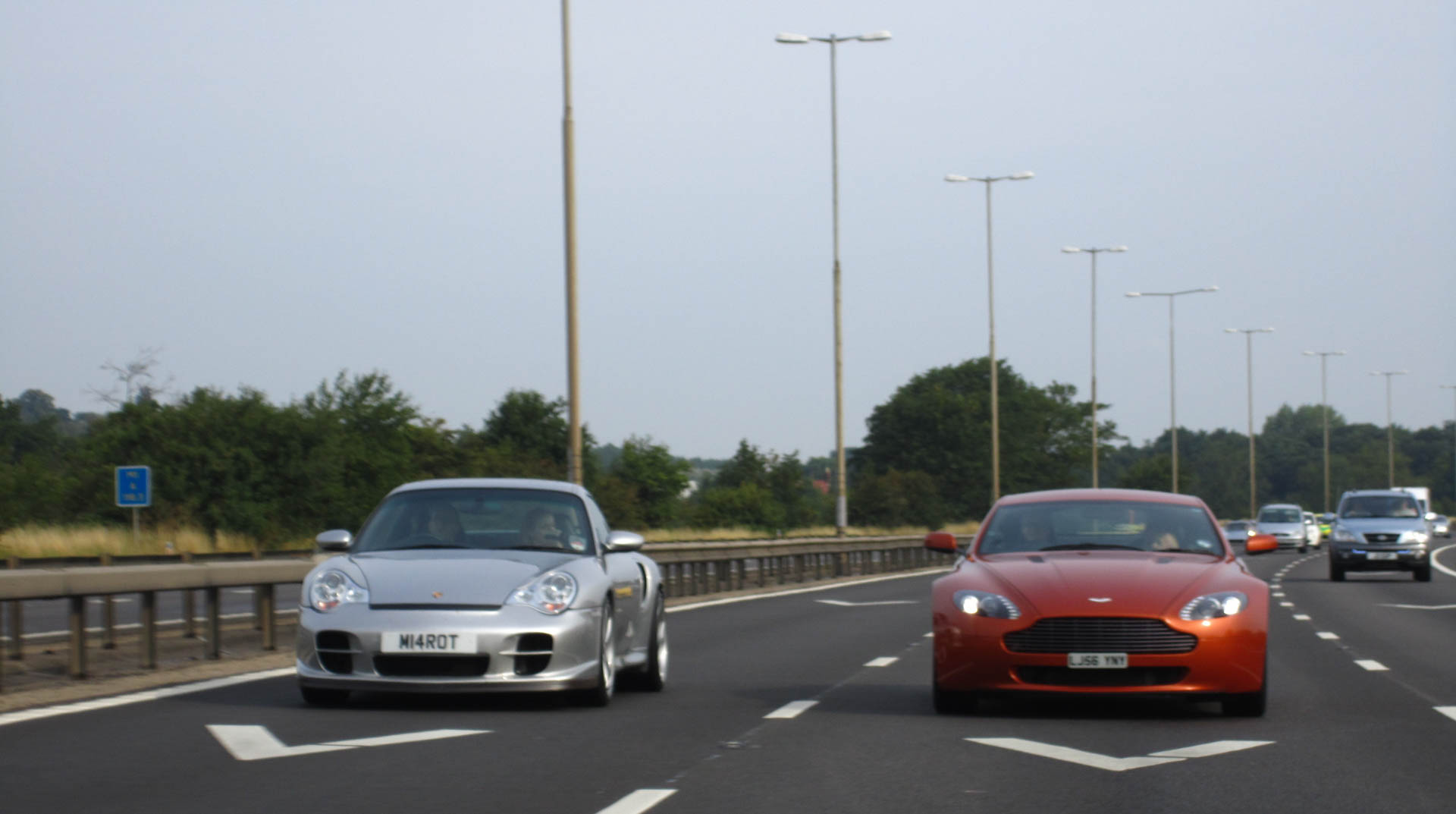
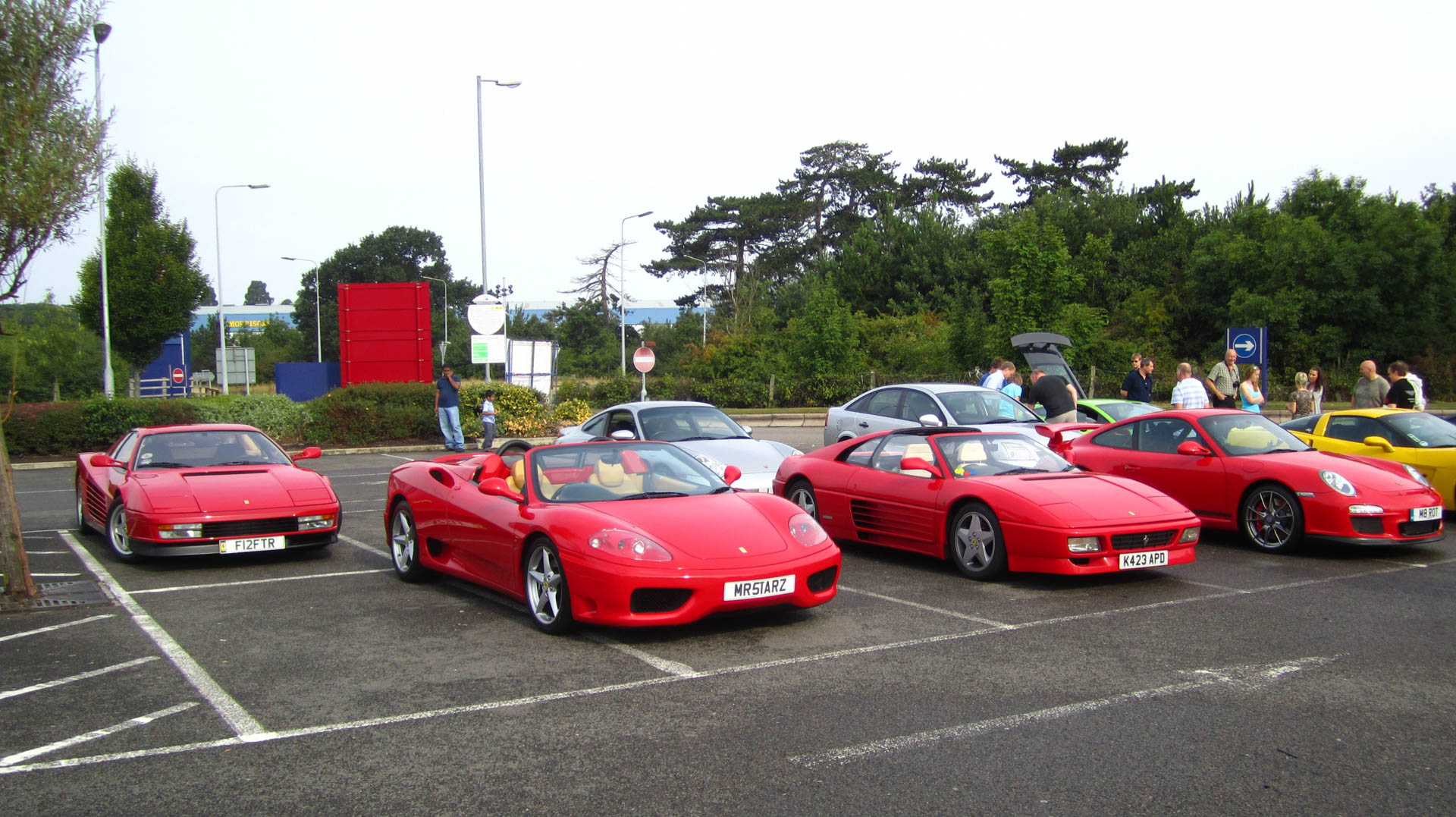
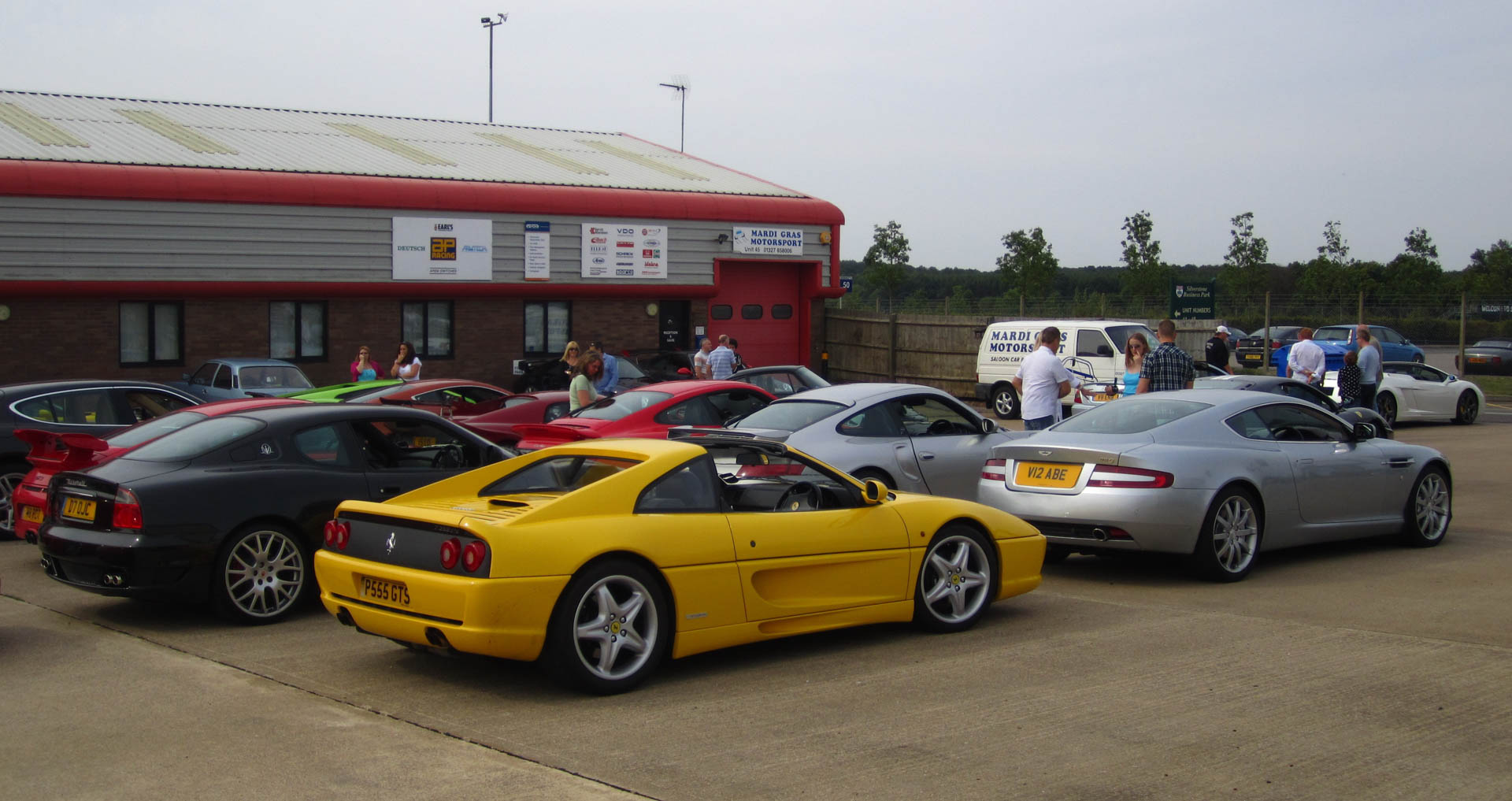
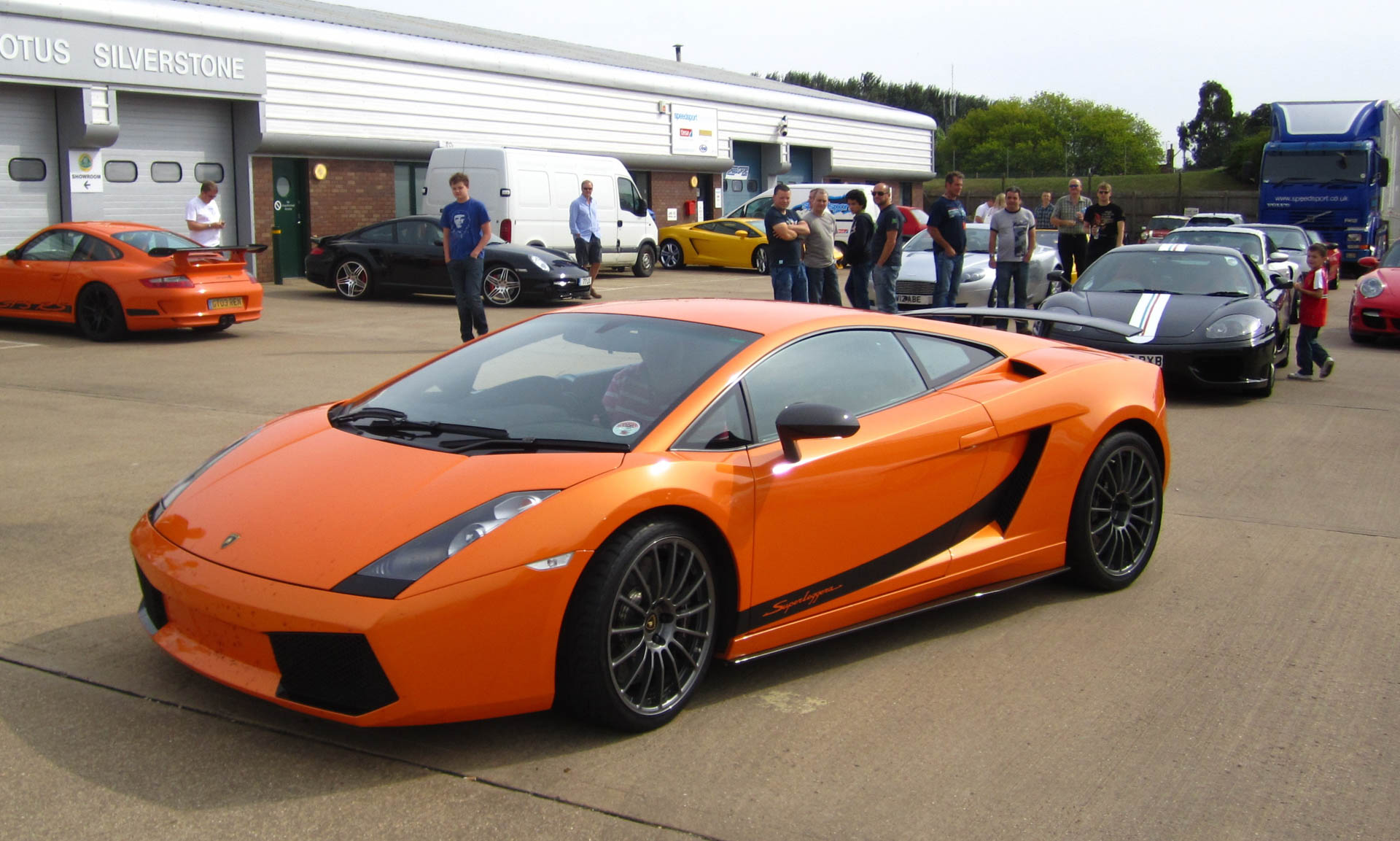
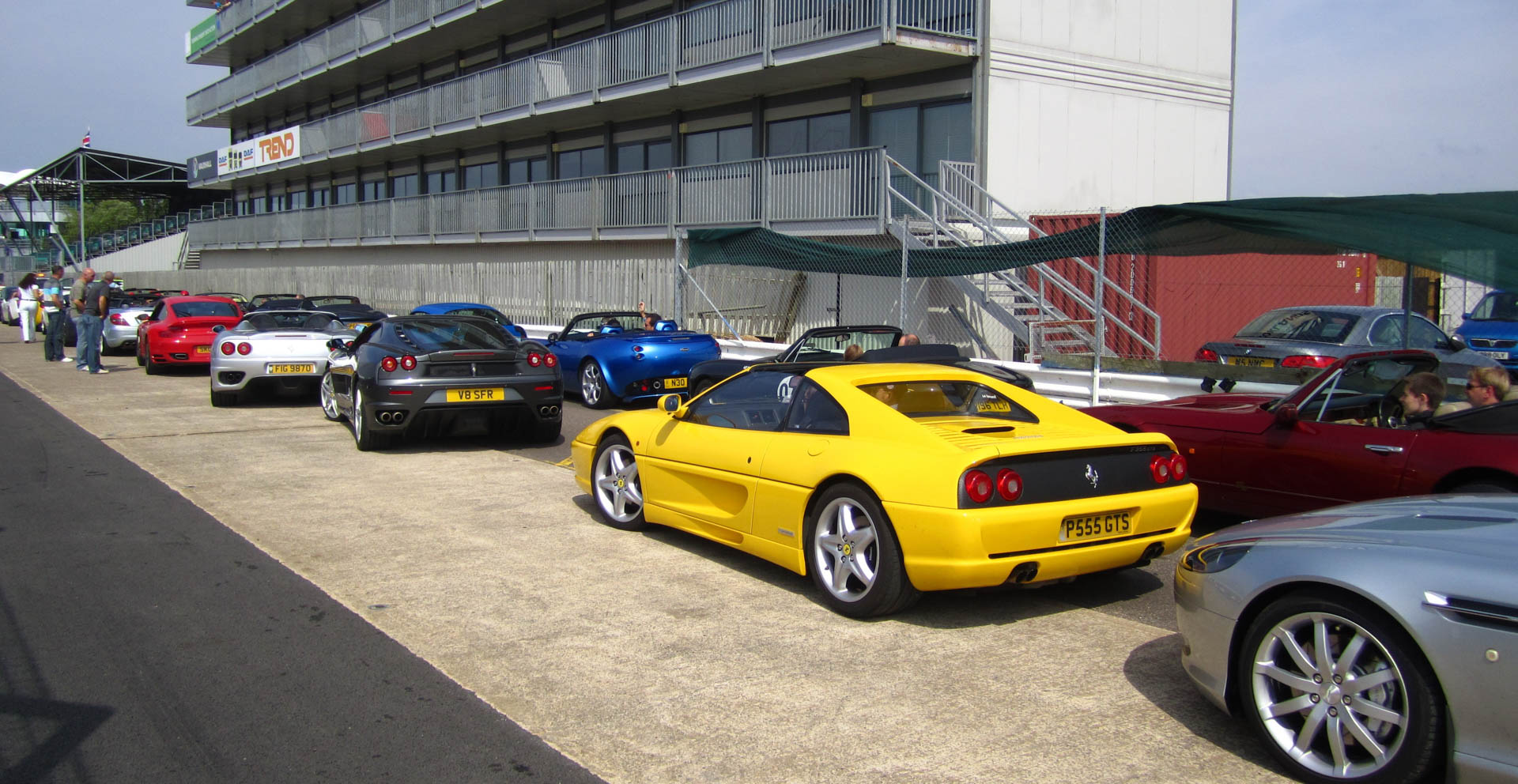
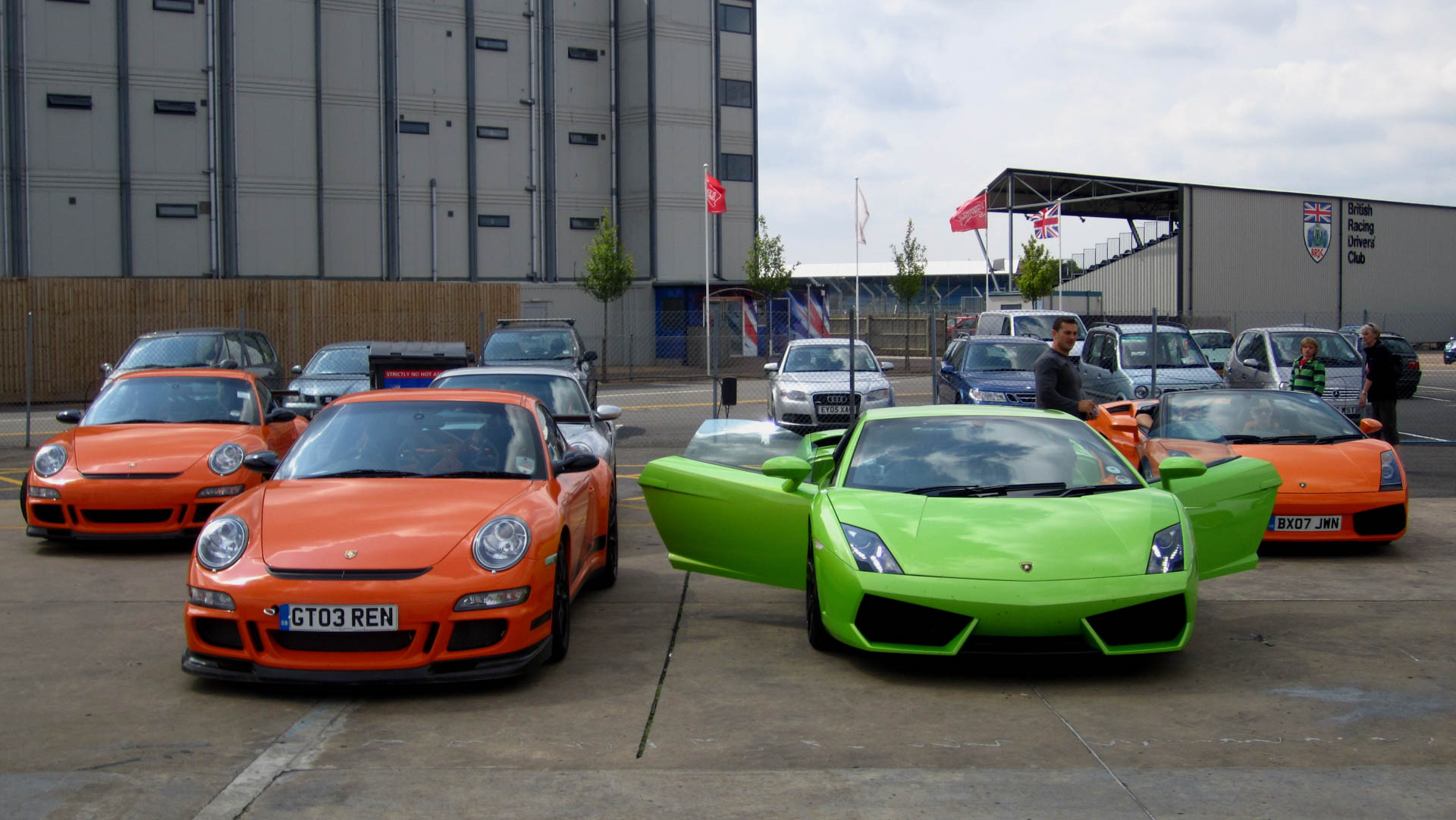
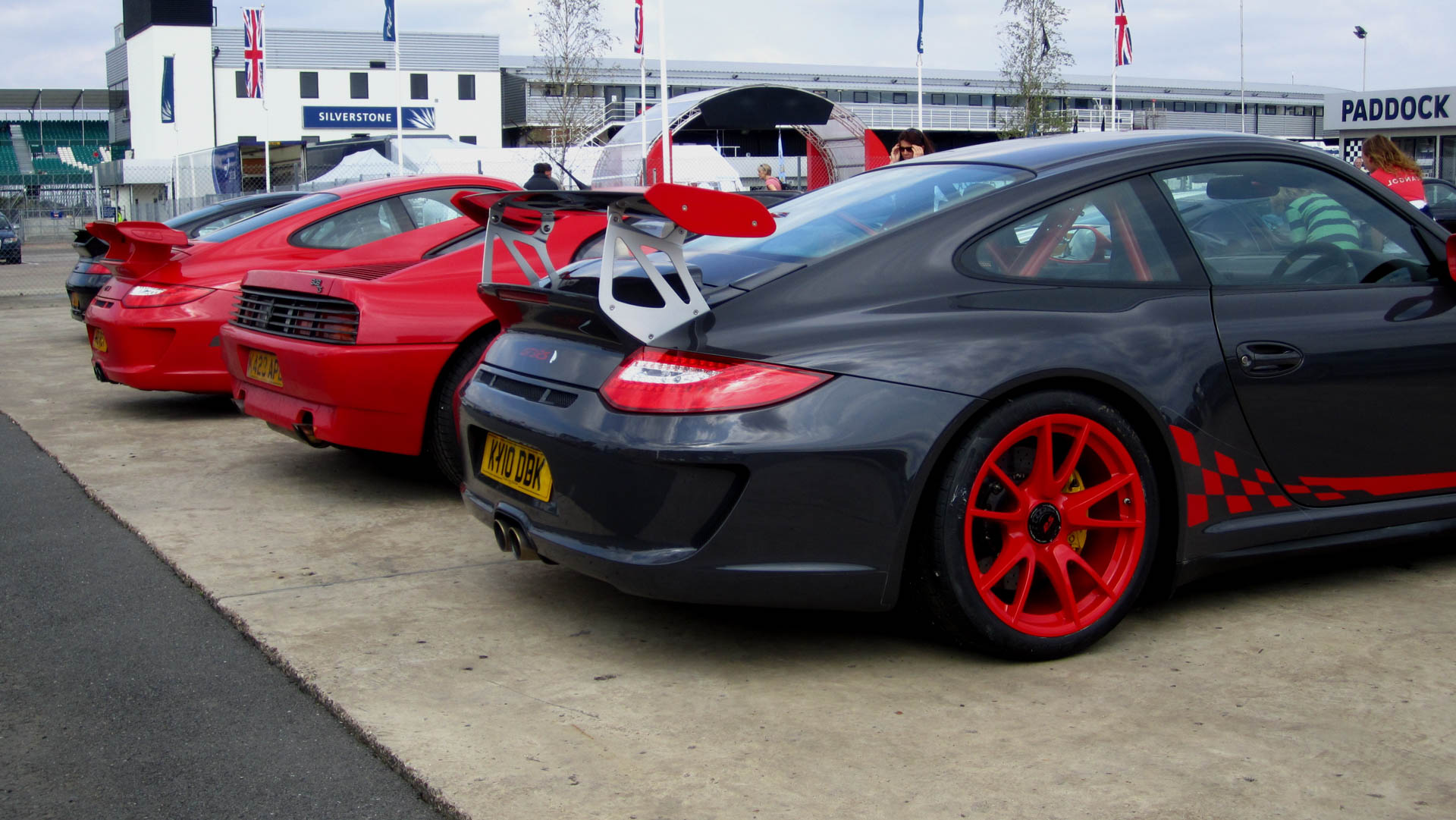
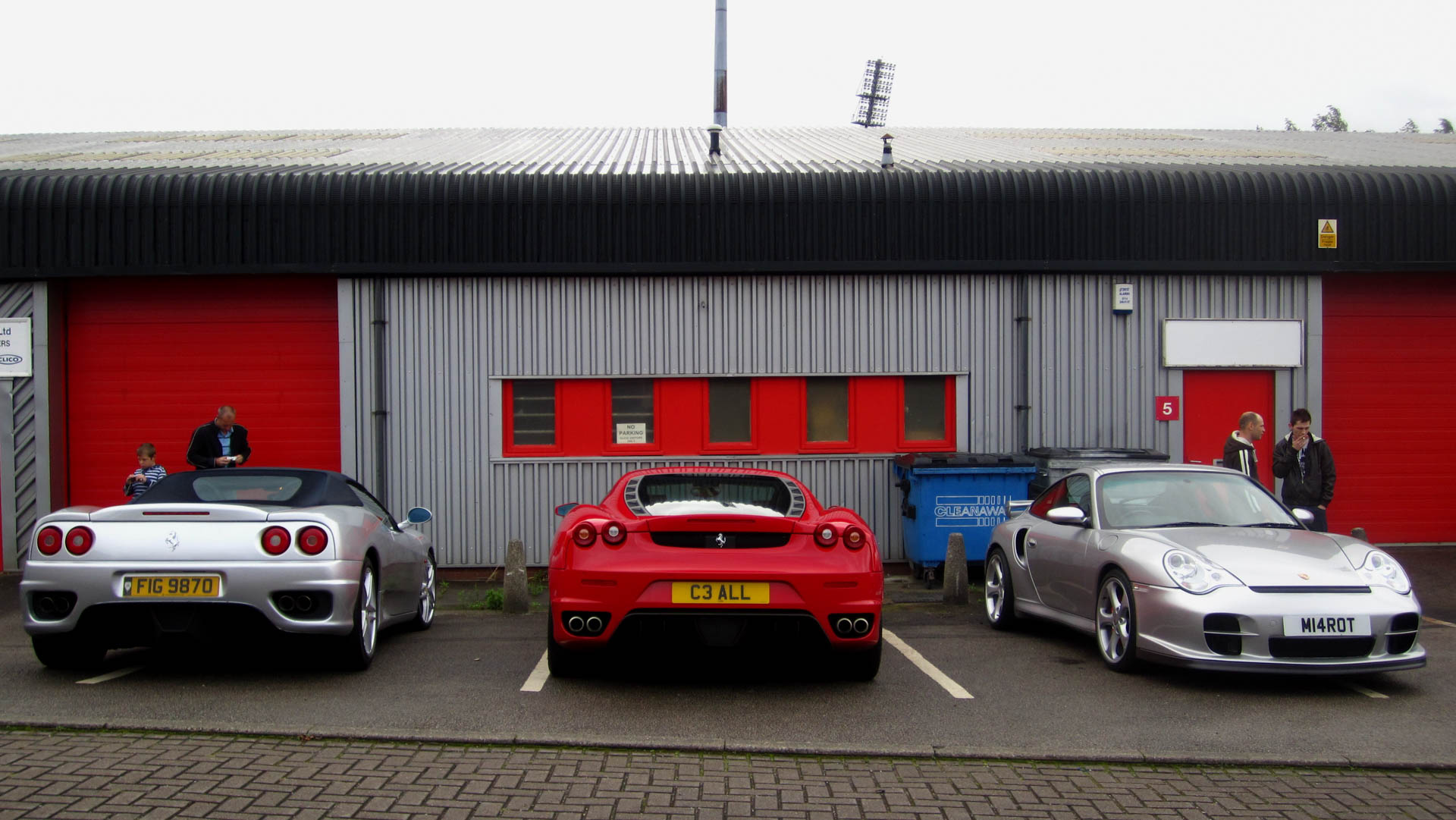
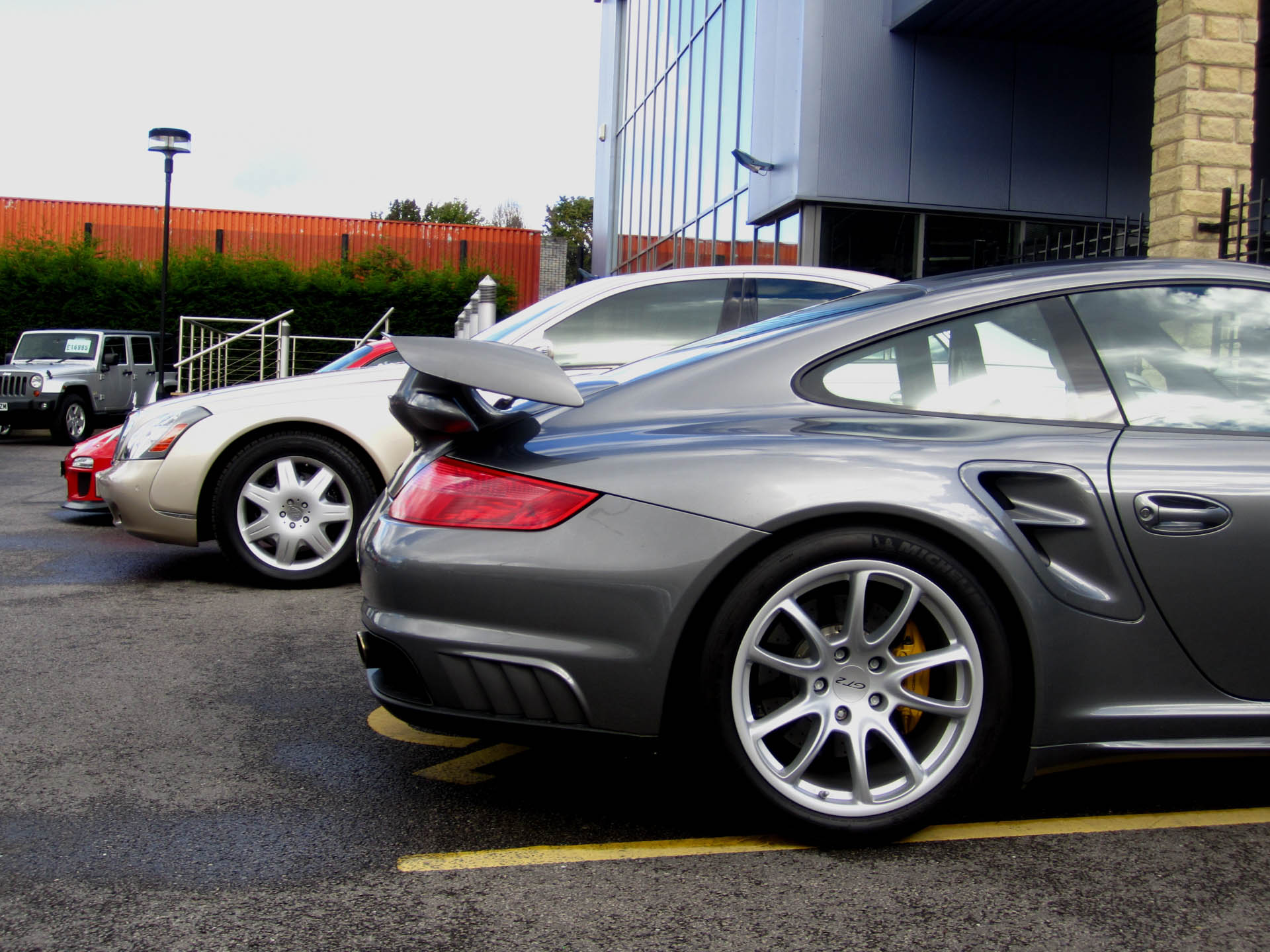
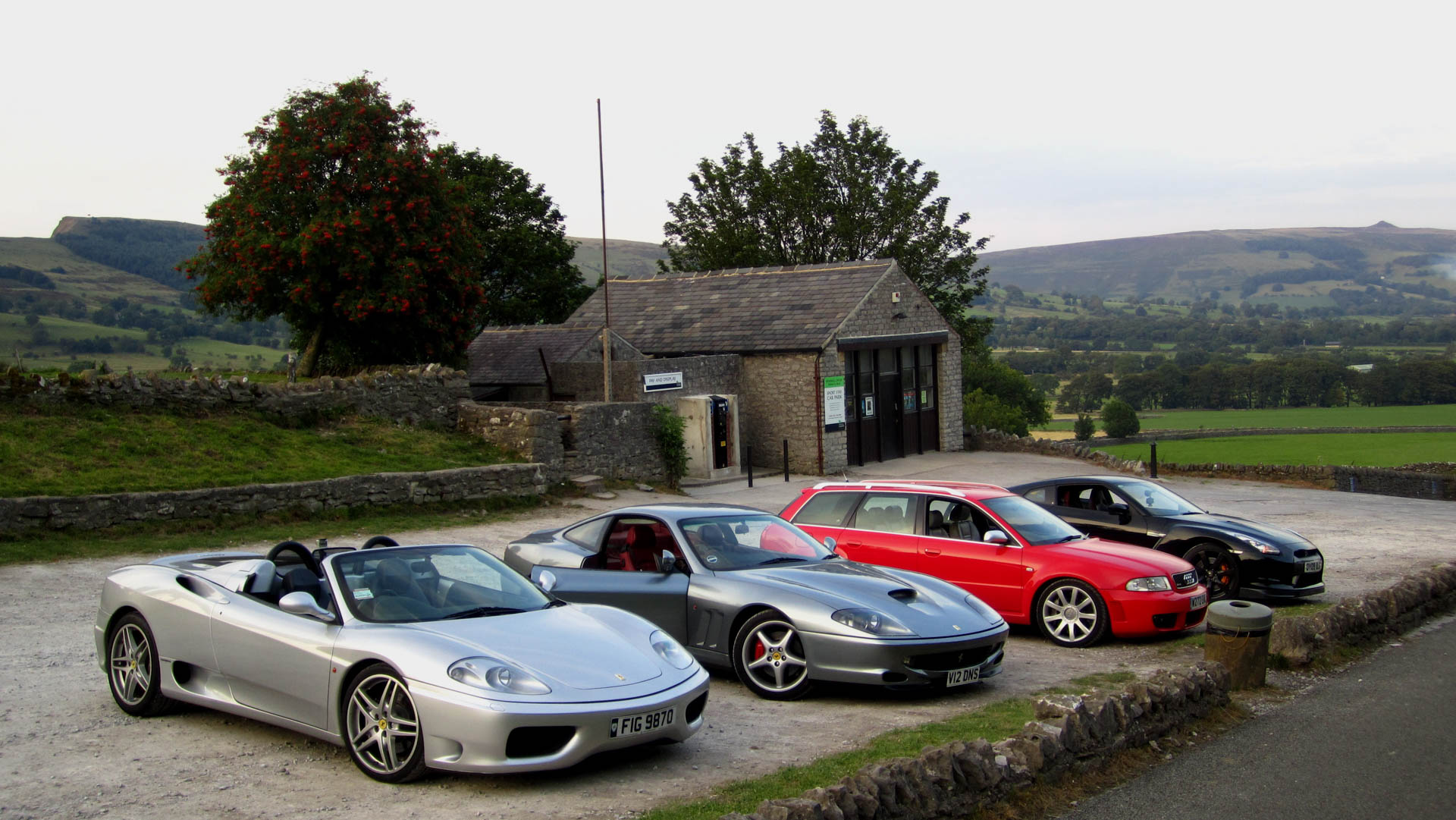
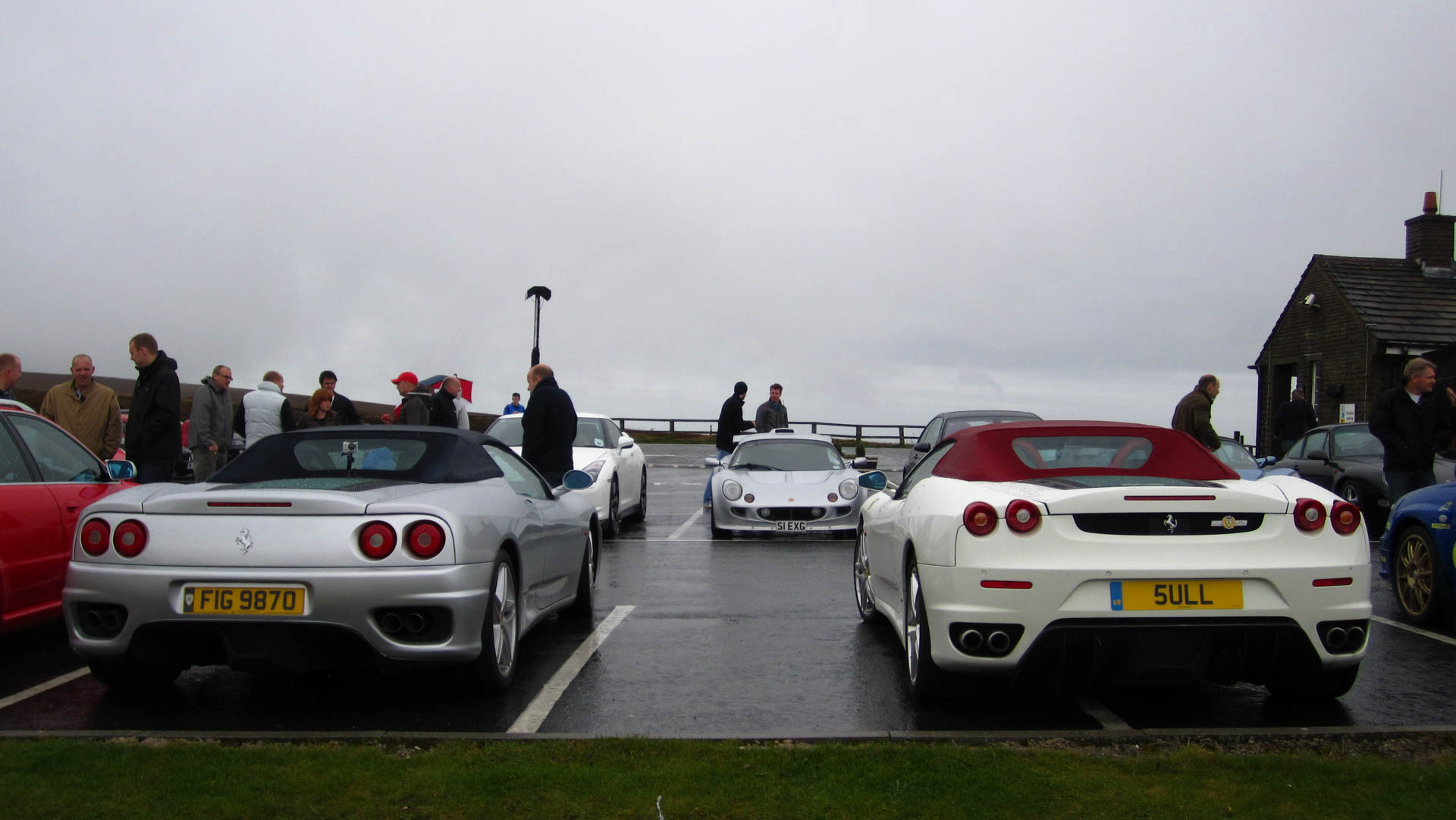
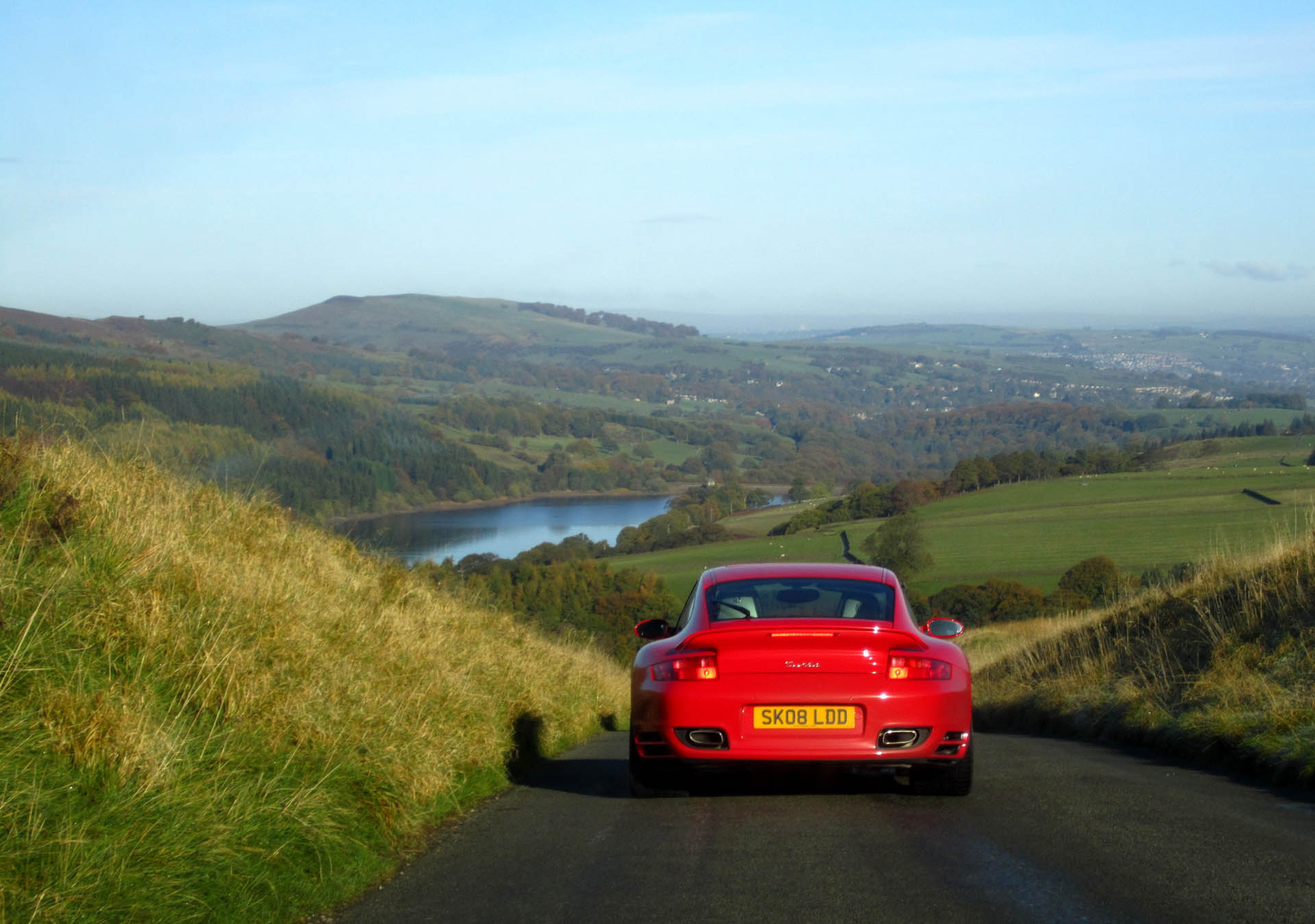
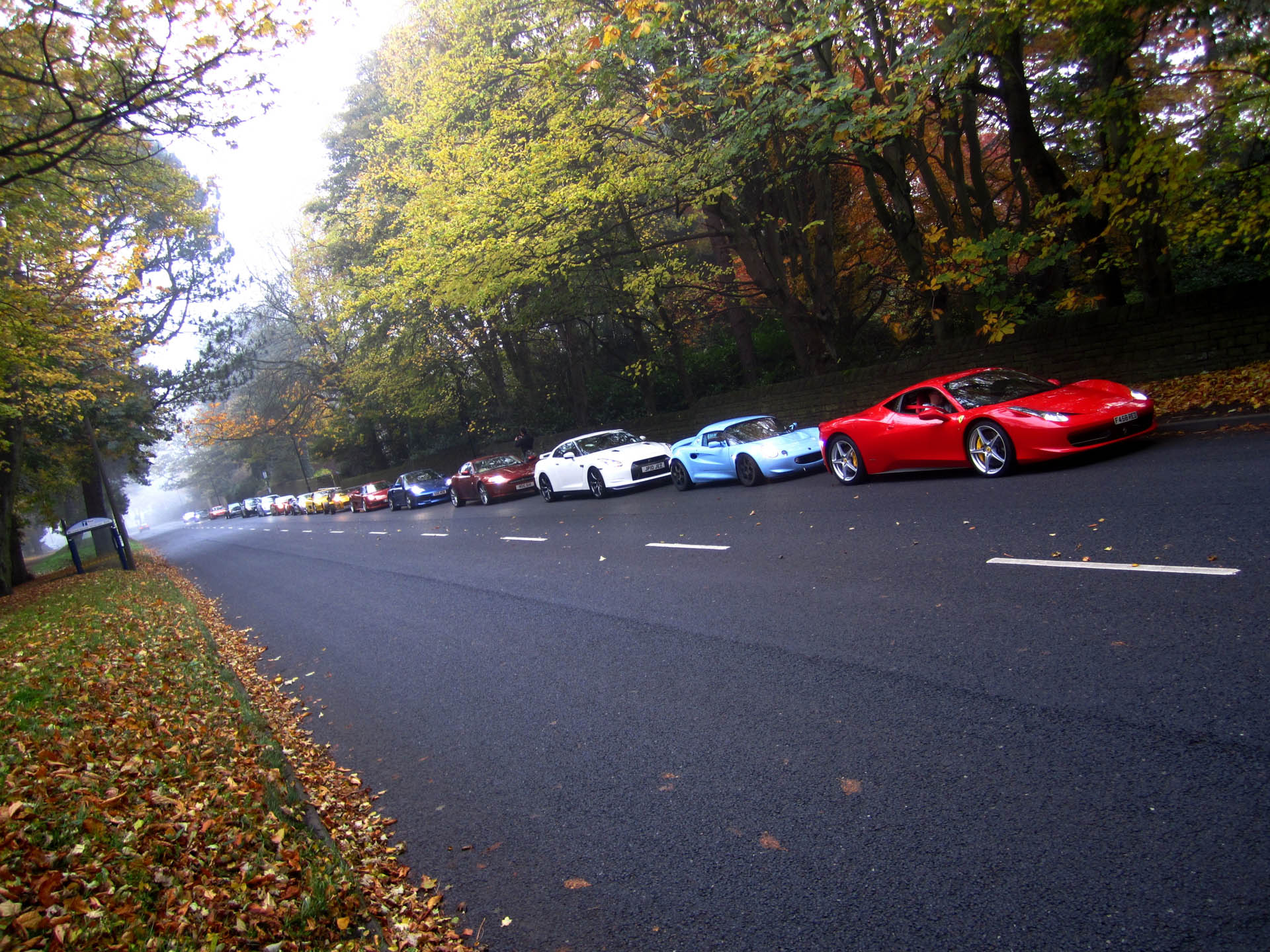
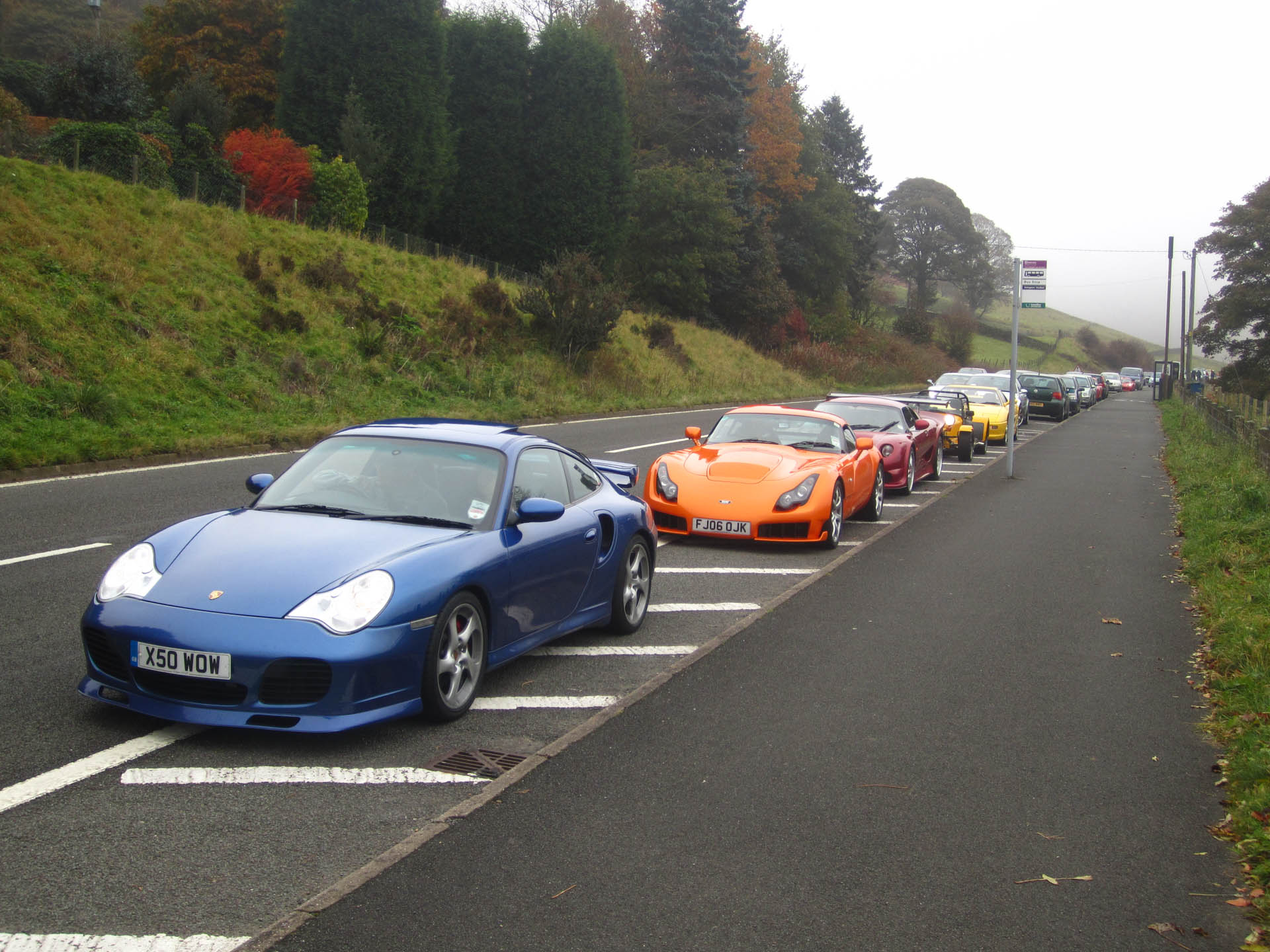
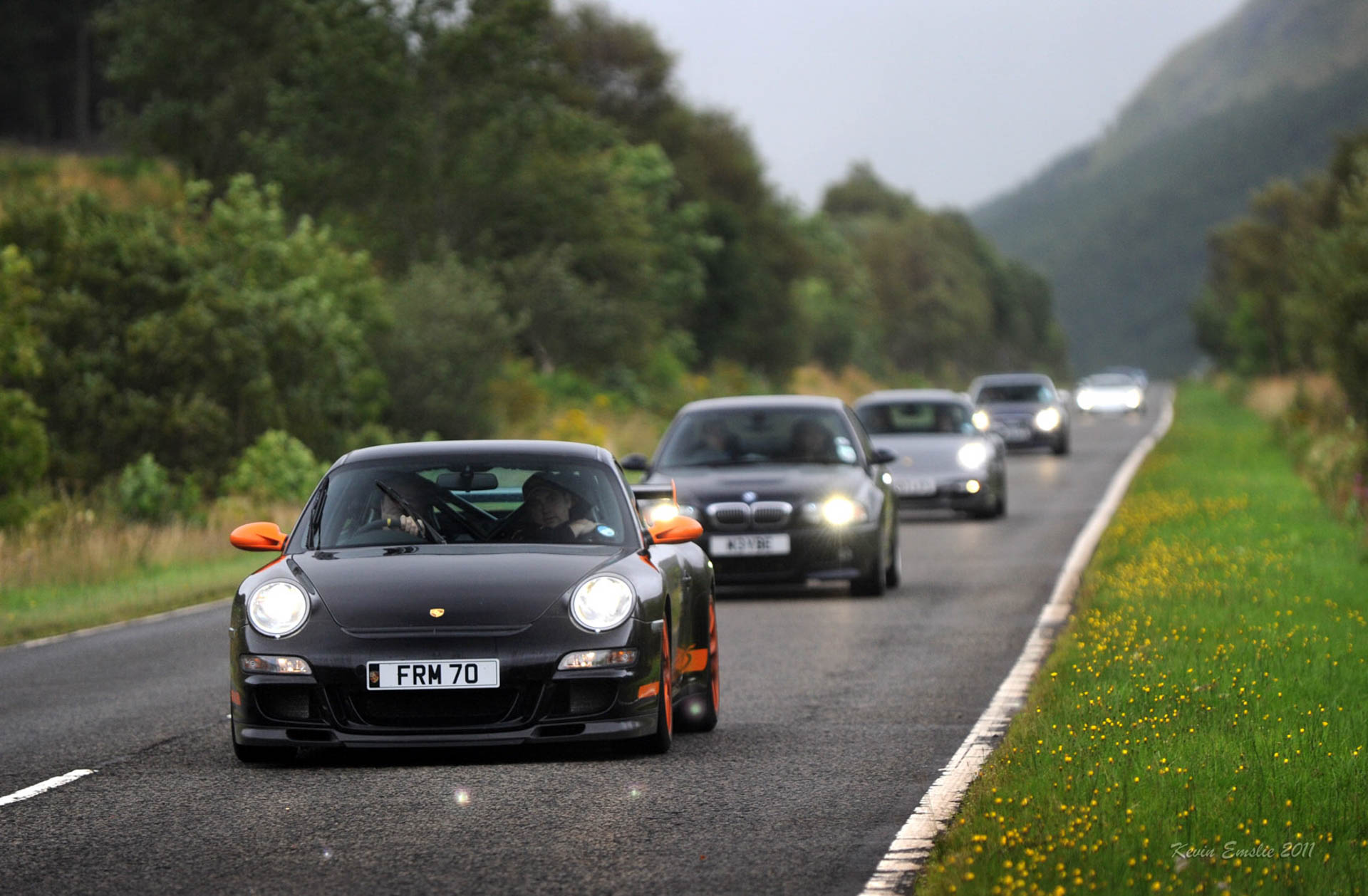
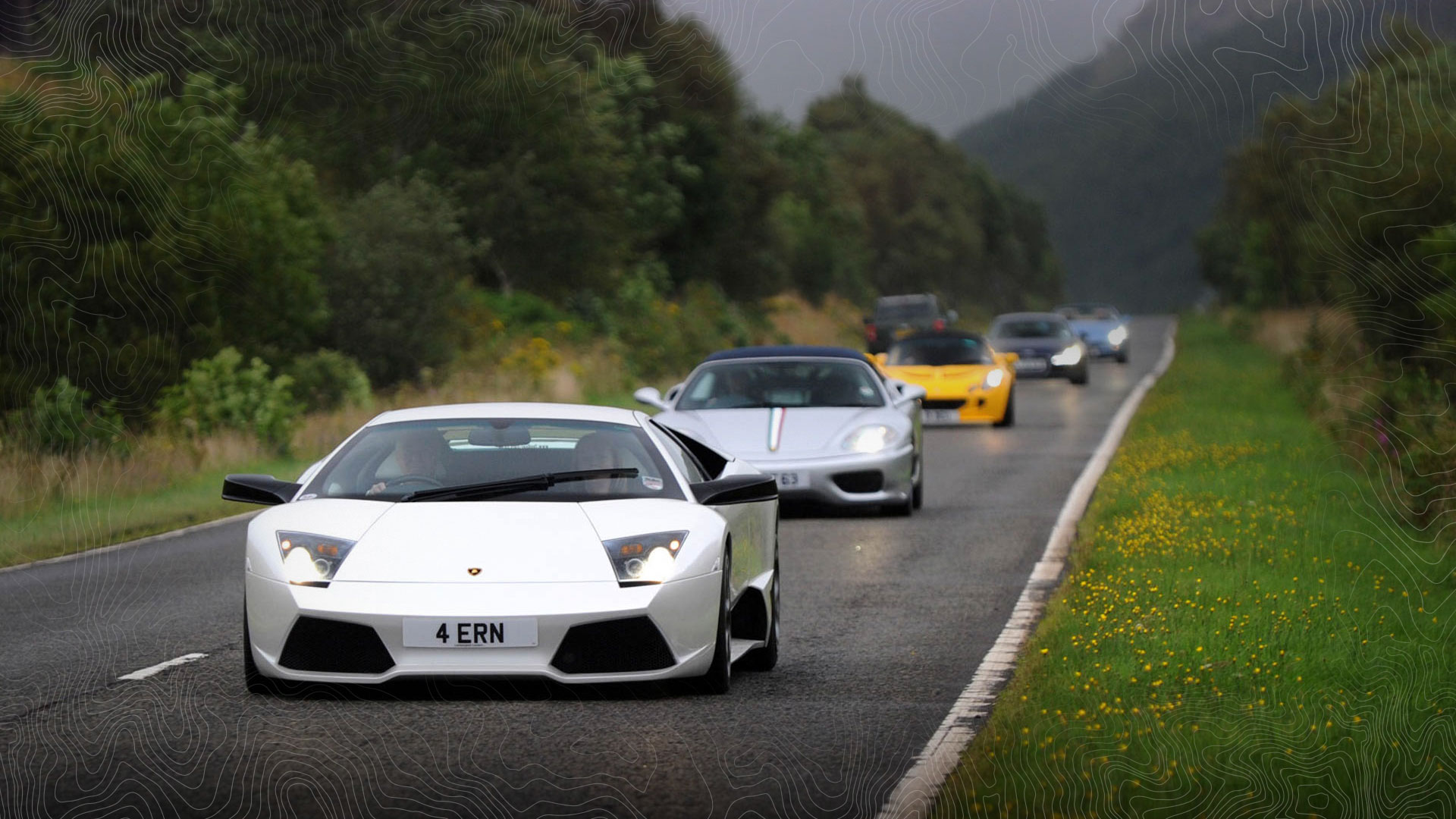
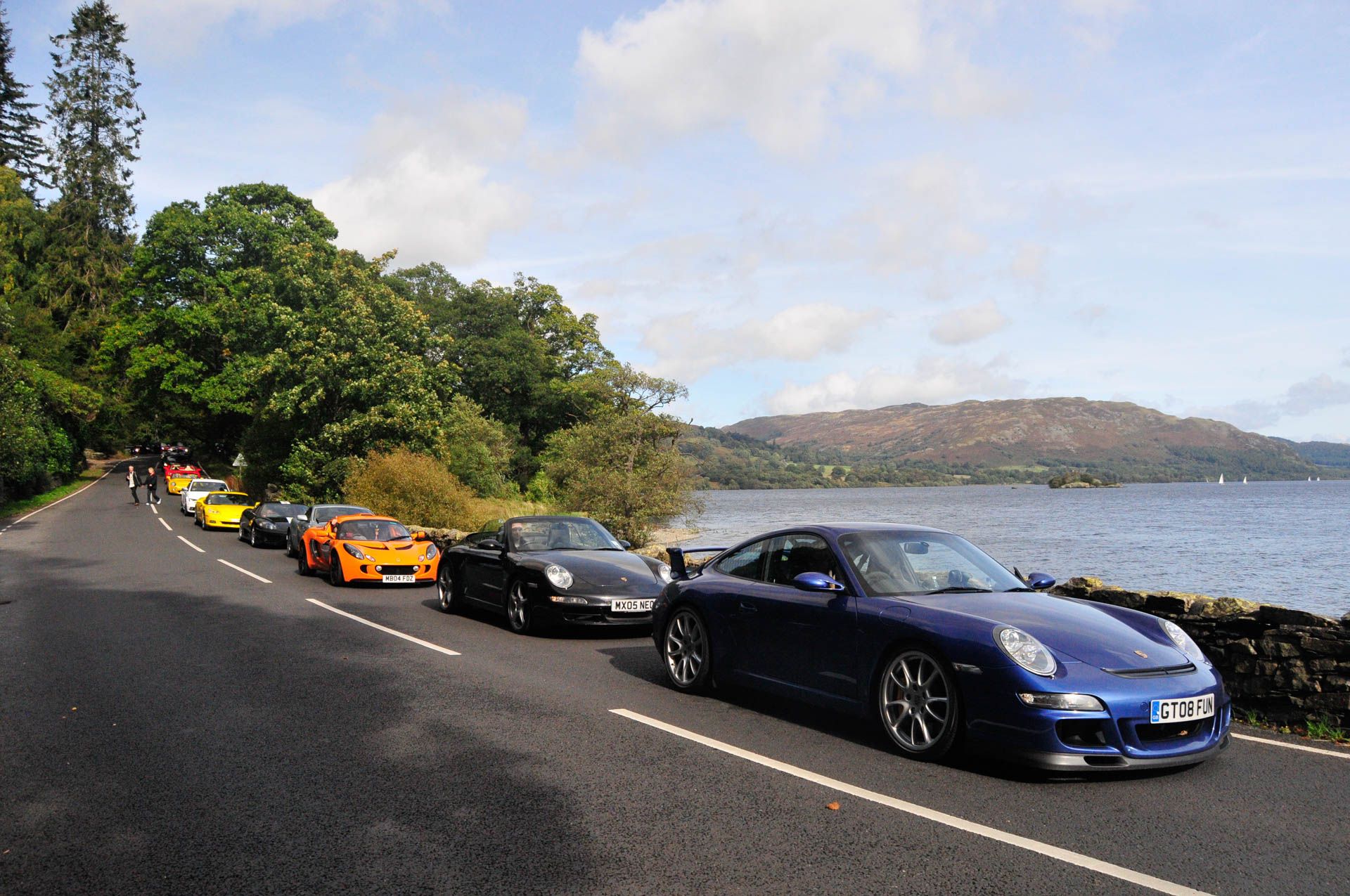
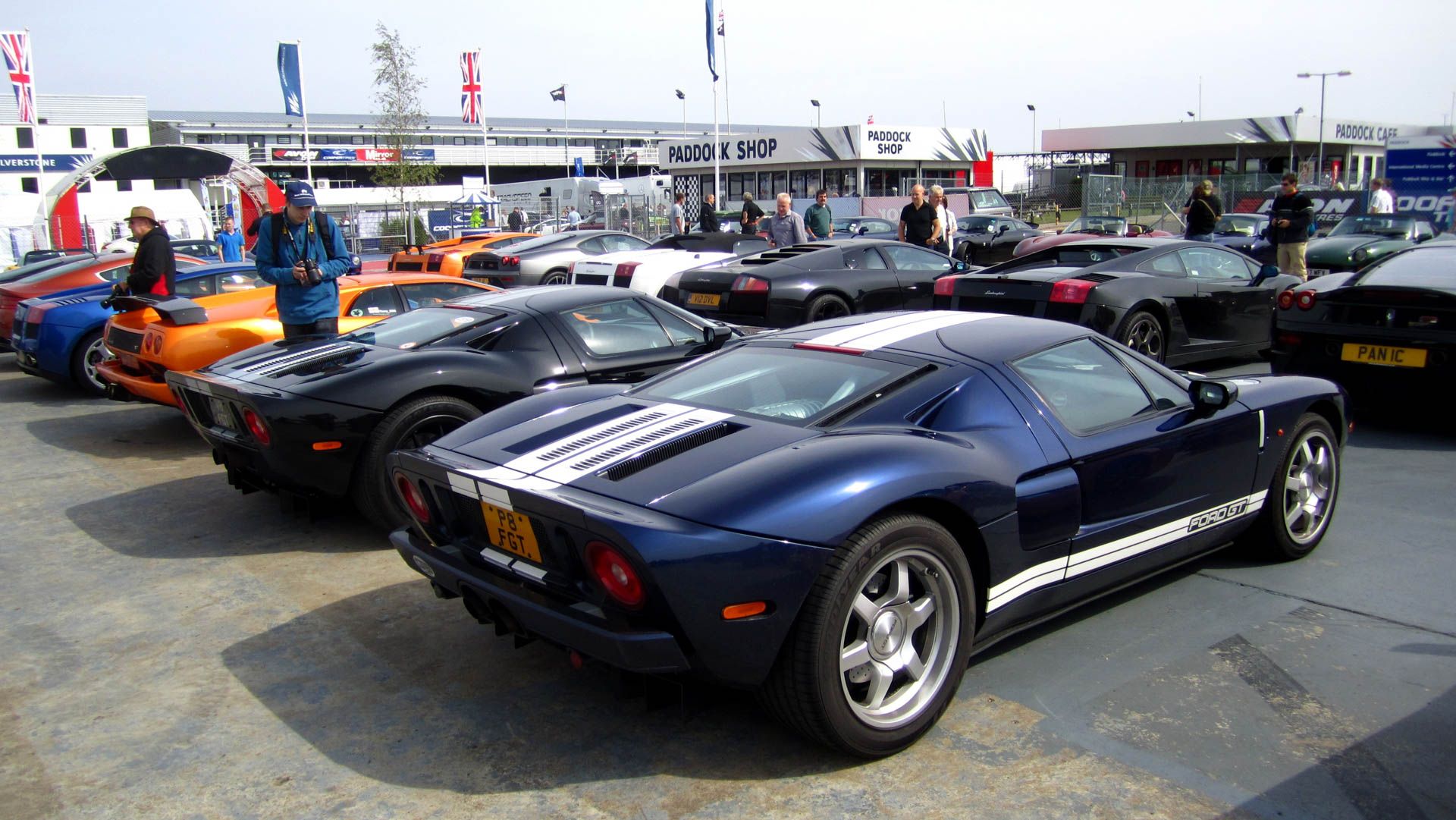
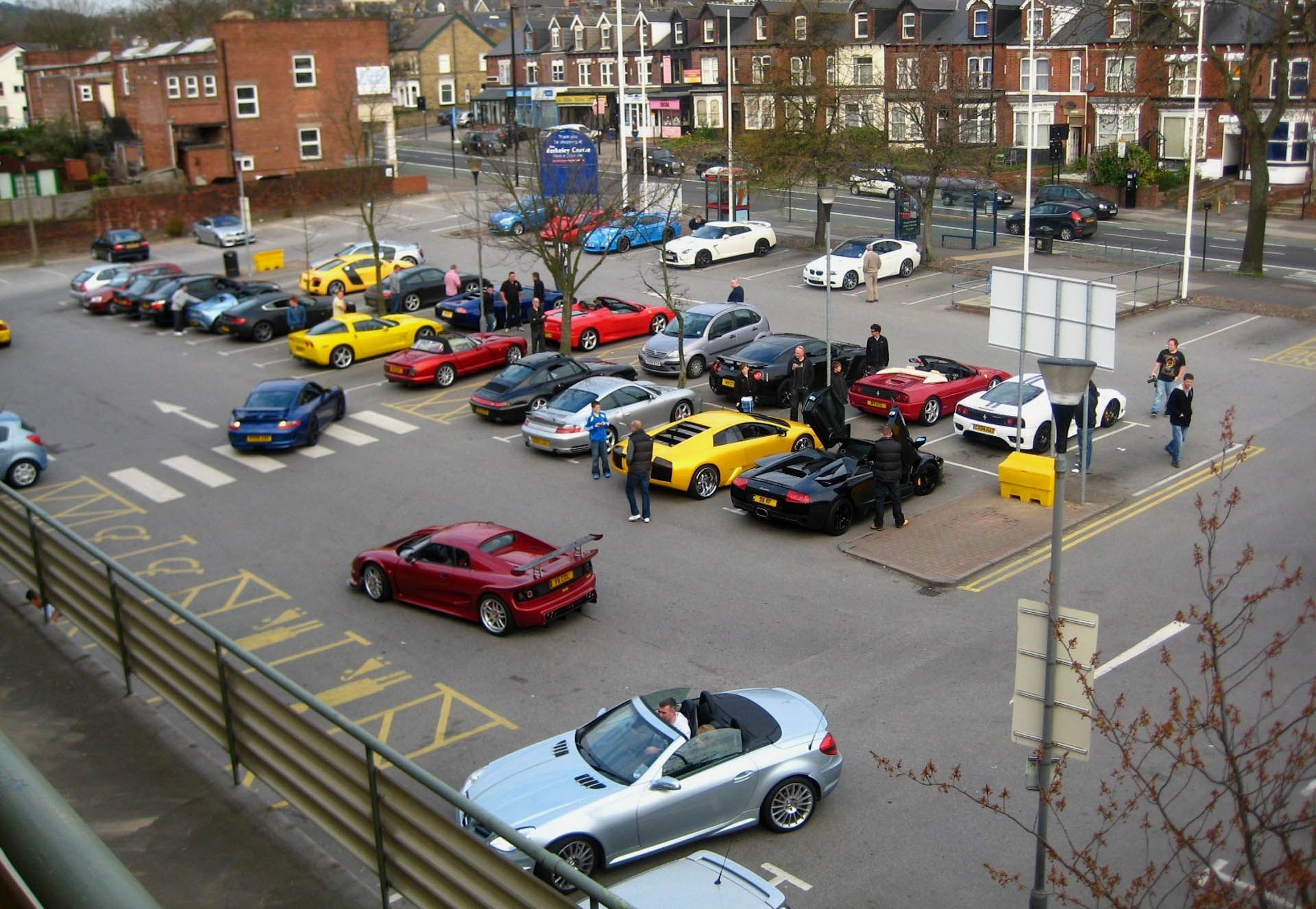
When I think back to the early years of Supercar Driver, the cars we had around us were very different to what you’d see at an event today. Ferrari 360s and F430s. Lamborghini Gallardos and Murciélagos. Porsche 997 GT3s. Aston Martin DB9s. You’d regularly see Ford GTs, Noble M12 GTO-3Rs and TVRs mixed in amongst them too. There was no McLaren. No hybrid supercars. No 1,000 horsepower hypercars arriving every few months.
It was a much simpler supercar world, but looking back, an incredibly characterful one. The funny thing is, at the time, we didn’t really think anything of it. These weren’t classics or cars we thought we needed to preserve. They were simply the cars of the day. And perhaps we didn’t realise quite how good — or how mad — that era actually was.
I remember someone turning up to one of our early events in an M5 Touring. At the time, it was just another cool car arriving at an SCD event. Think about what that car actually was, though. BMW had taken a family estate and put a 5.0-litre naturally aspirated V10 in the front of it, revving beyond 8,000rpm. You could put the kids and the dog in the back and have an engine with links to an era when BMW was involved in Formula 1 up front. You just wouldn’t dream of seeing something like that being launched today.
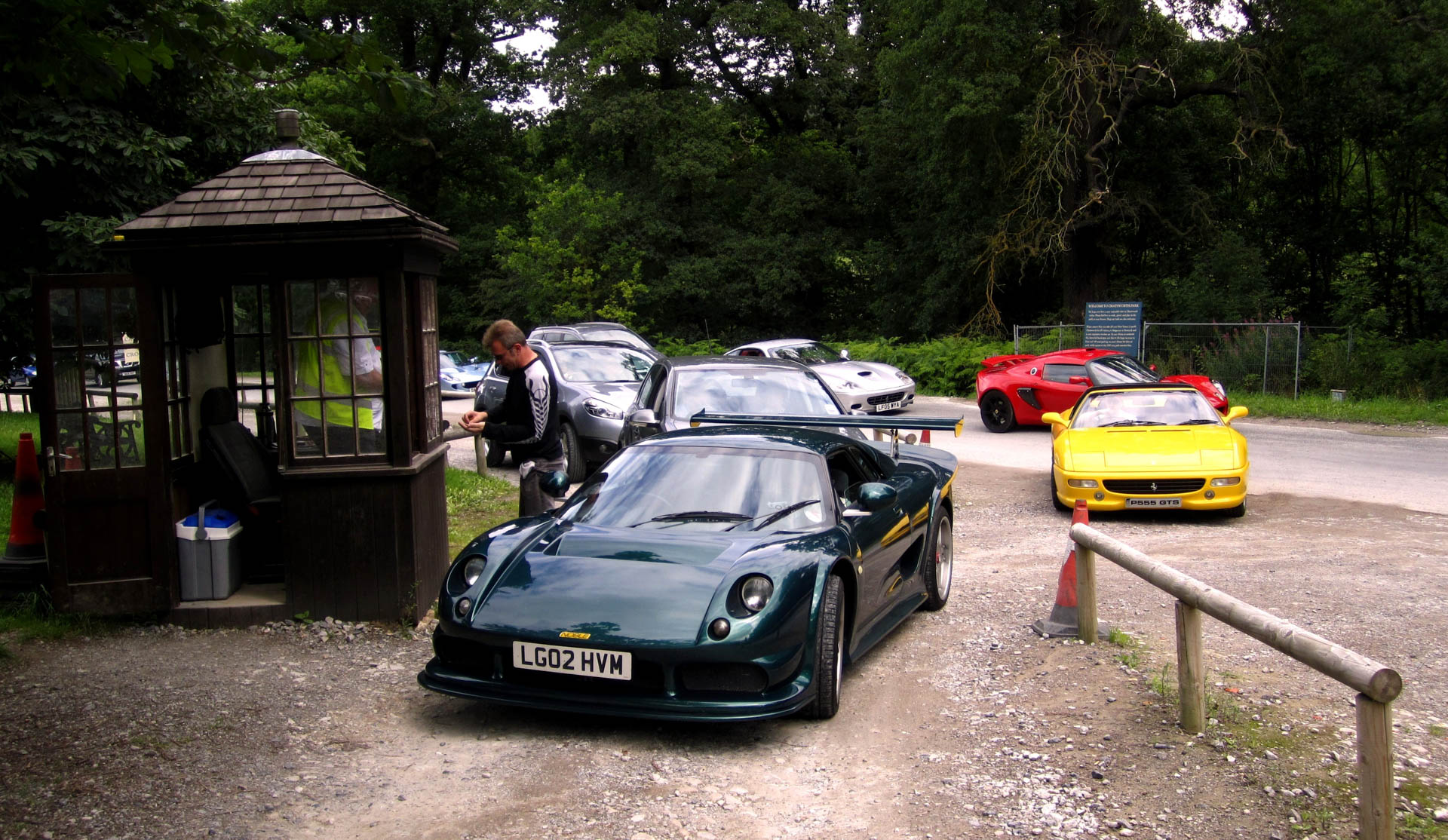
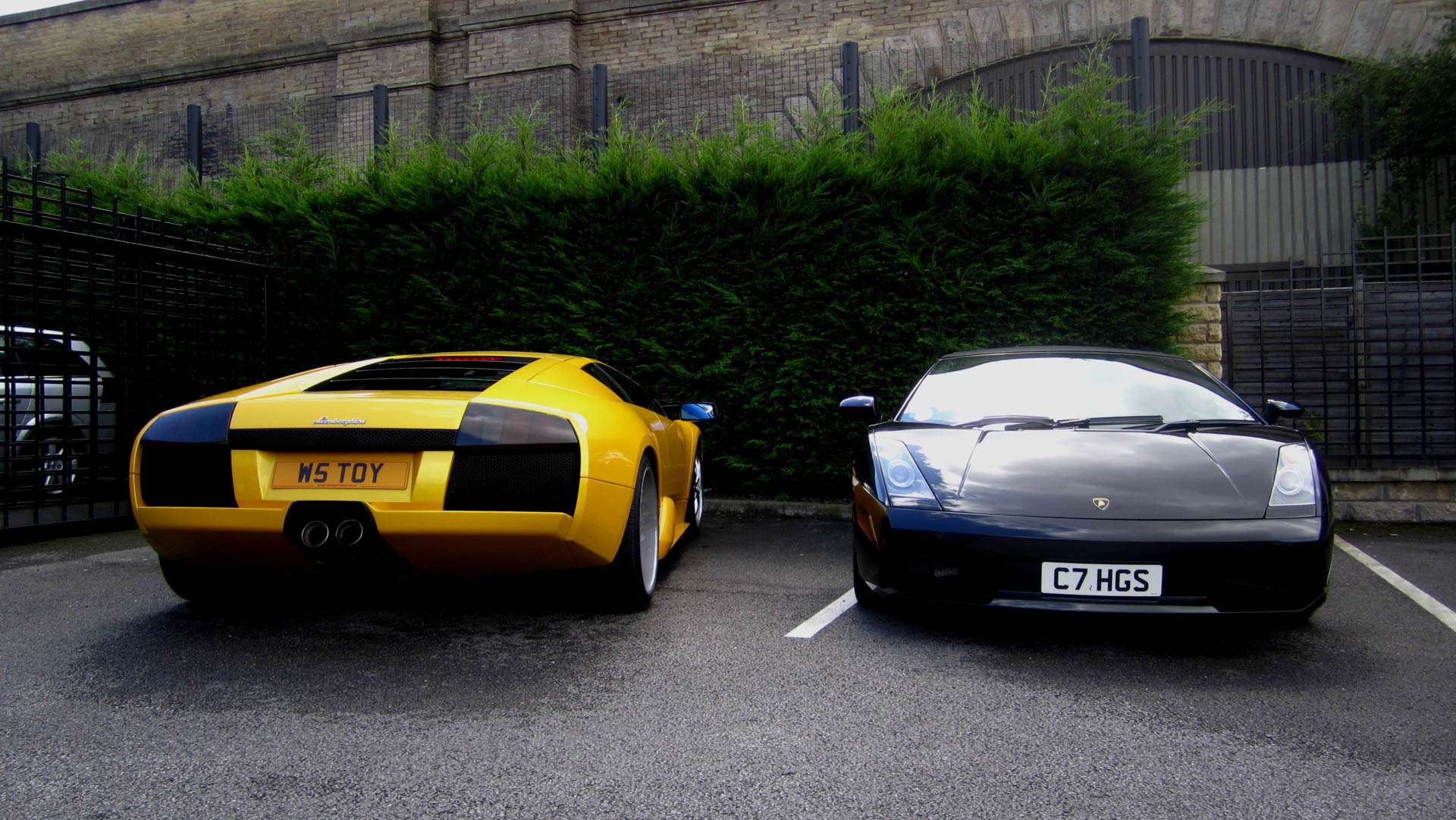
And it wasn’t only BMW. TVR was producing outrageous lightweight sports cars with huge engines and very little in the way of driver aids. Noble gave us the M12 GTO-3R. Ford somehow put the GT into production. Lamborghini was still selling the Murciélago with a huge naturally aspirated V12, and a manual gearbox was still an option.
"The imperfections we were so desperate to engineer out of cars have turned out to be some of the things that gave them character."
There was madness everywhere. And because it was normal at the time, I don’t think we appreciated it enough. We were all chasing the next thing. A Ferrari 360 wasn’t a modern classic. It was simply the Ferrari that had been replaced by the F430. Then the 458 arrived, and suddenly everyone wanted a 458.
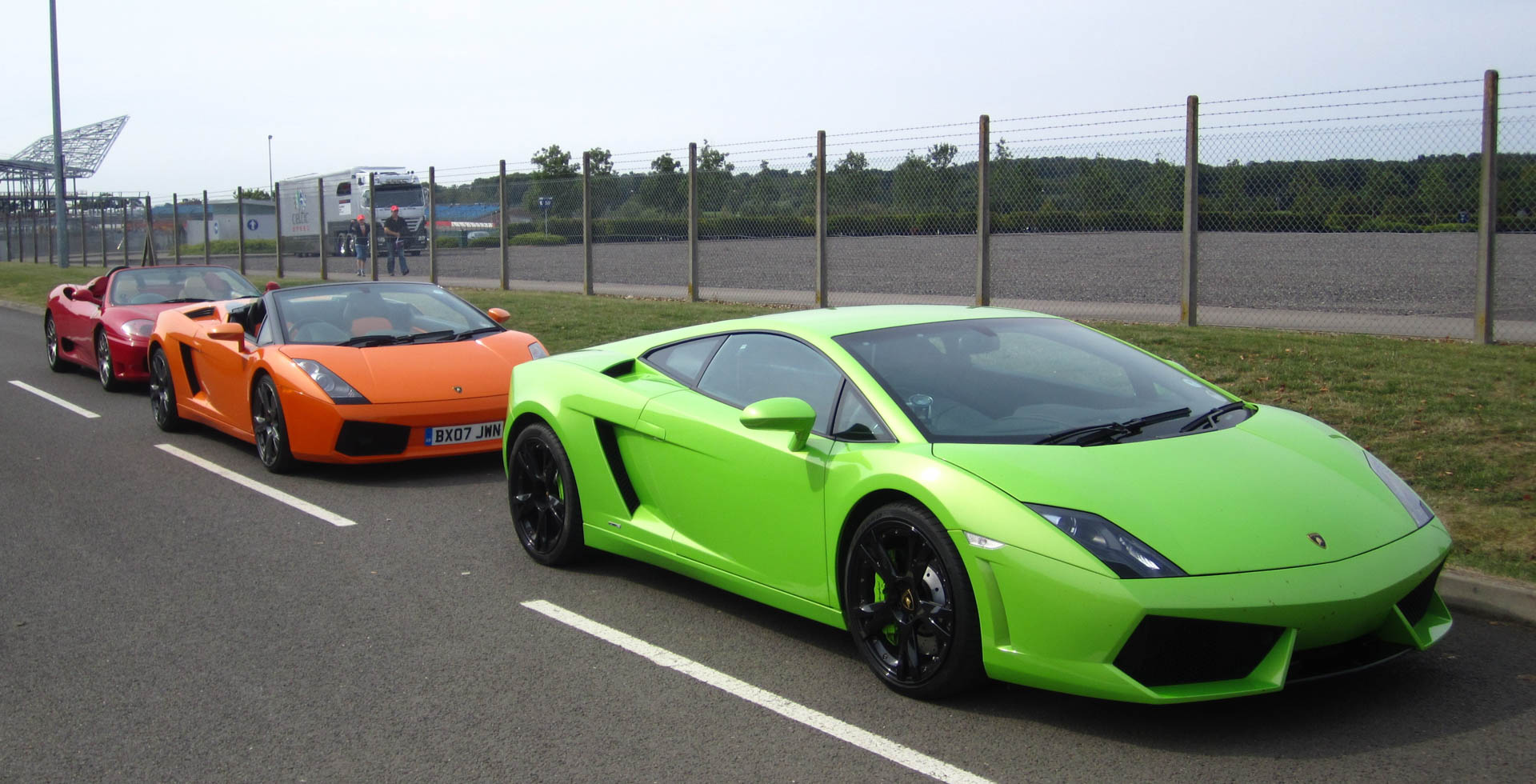
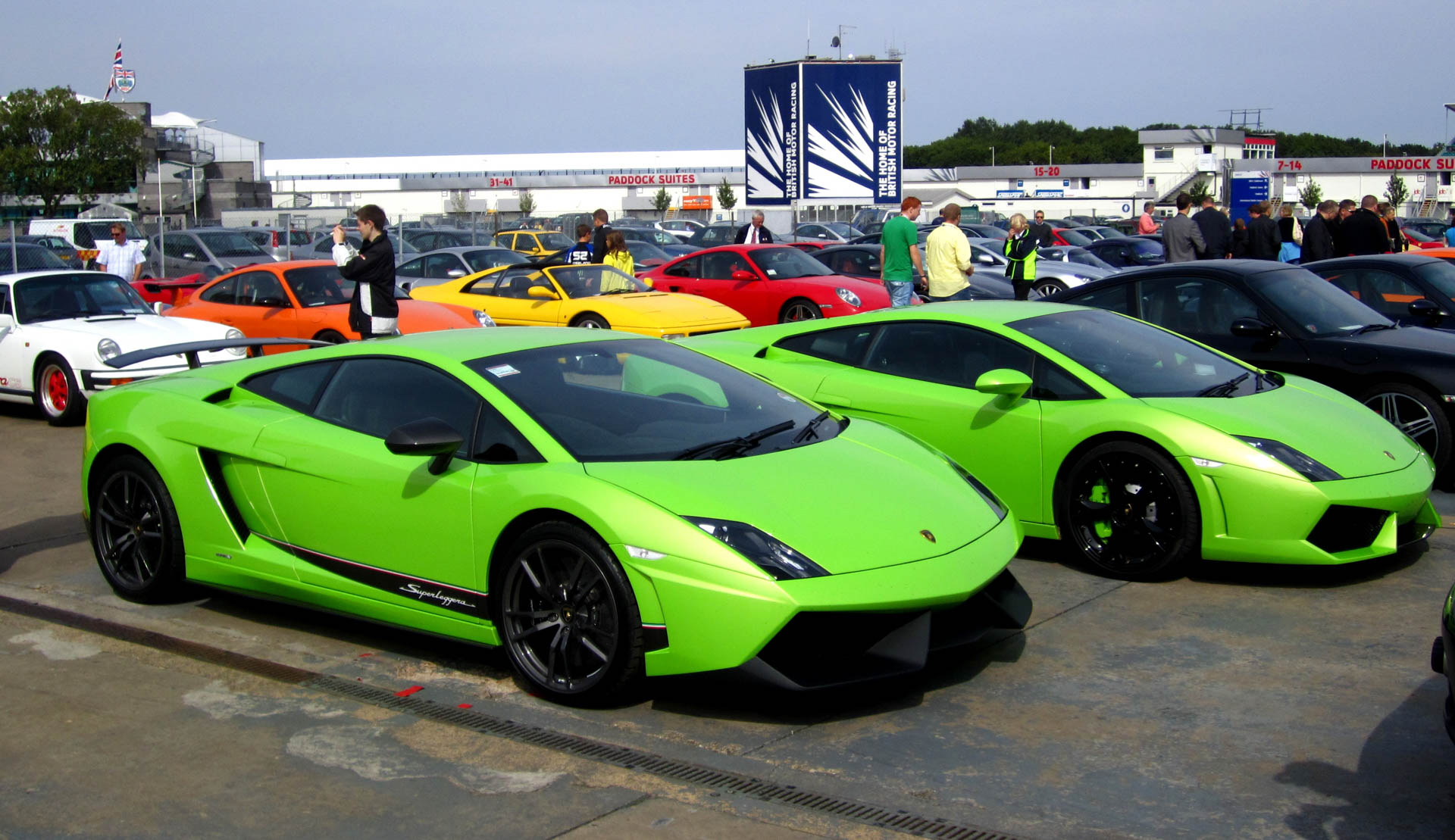
The same thing happened at Lamborghini. Gallardos were everywhere in the early days of Supercar Driver. Then the Huracán came along, and almost overnight they seemed to disappear. People moved on. Values plummeted. For a while, the Gallardo was simply an old Lamborghini. We were all guilty of it. Why would you want the old car when the new one was faster, better built, easier to drive and more capable?
And there was suddenly much more choice. McLaren arrived and became another major player in the supercar world. Ferrari gave us the 458. Mercedes launched the SLS AMG. Lamborghini replaced the Gallardo with the Huracán. Porsche continued evolving the GT3 and built it in bigger numbers.
Every new generation was objectively better than the one before it. More power. More grip. Faster gearboxes. Better brakes. Better technology. For years, the direction of travel was obvious. Forward.
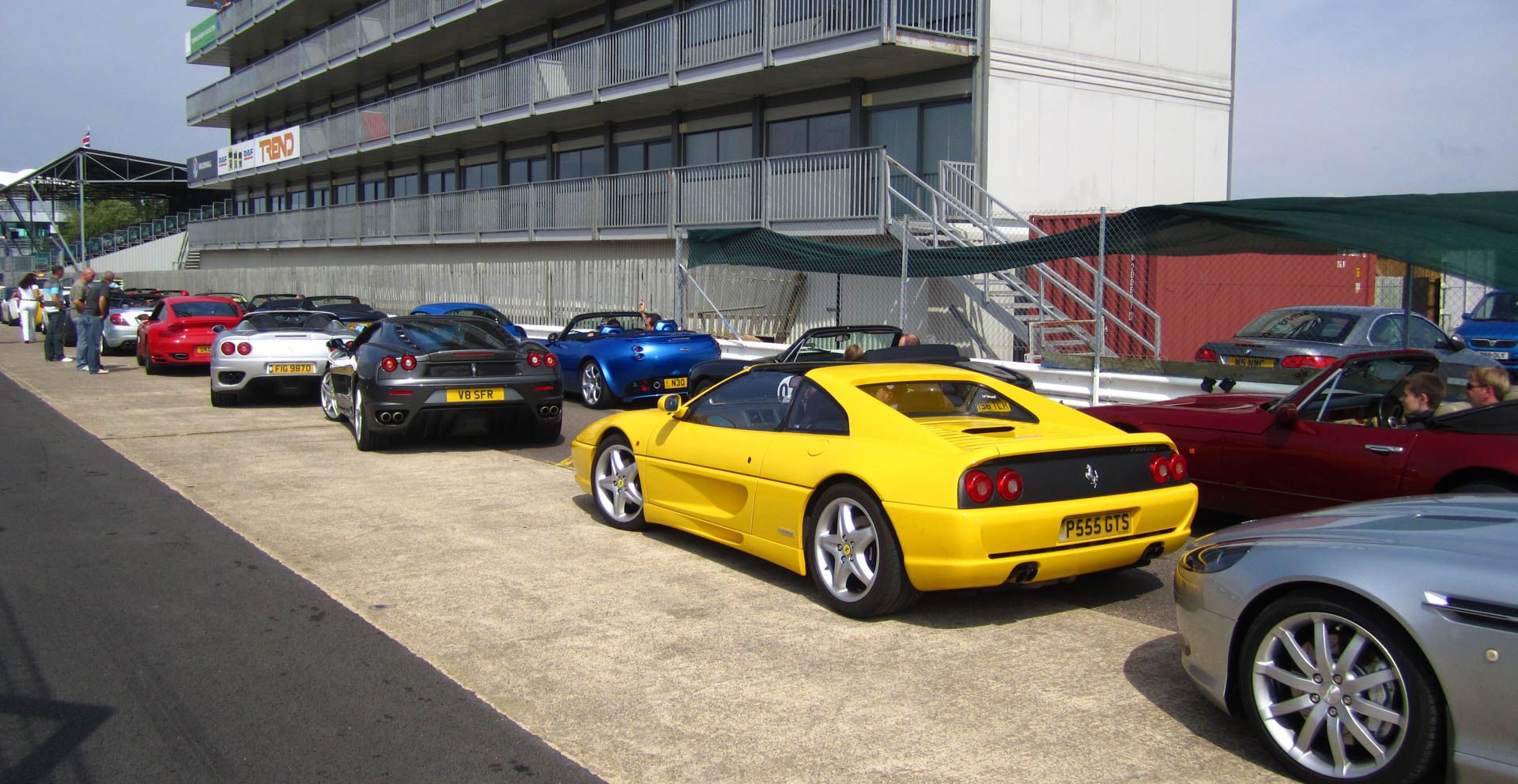
Now we’re looking backwards. Something has changed. Today, some of the cars we couldn’t move on from quickly enough are the cars people are chasing again. Gallardos are cool. F430s are desirable. Manual 360s are hugely sought after. Murciélagos have become incredibly special. A 997 GT3 suddenly represents an era of Porsche that people desperately want to experience again.
And it goes beyond the obvious supercars. The Noble M12 looks wonderfully simple and purposeful today. The madness of TVR seems almost impossible to recreate. The Ford GT has aged spectacularly. An Aston Martin DB9 now feels elegant and refreshingly simple. Even that V10 M5 Touring has become something incredibly special.
Cars that spent years being overlooked are finally having their day. And I think there’s a simple reason for it. The quest for perfection has got a bit too perfect. Modern supercars are extraordinary. The performance is on another level. They’re incredibly fast, unbelievably capable and, in many cases, remarkably easy to drive quickly. That’s progress, and I’m certainly not against it. But perhaps we had to get here to appreciate what we’ve lost along the way.
Naturally aspirated engines. Hydraulic steering. Manual gearboxes. Engines you have to rev. Cars that move around underneath you. Interiors full of buttons rather than screens. Cars with quirks you have to understand and learn. Cars that aren’t necessarily trying to make everything easy for you.
The imperfections we were so desperate to engineer out of cars have turned out to be some of the things that gave them character. Maybe it is nostalgia. For me, there’s definitely a personal element to all of this.
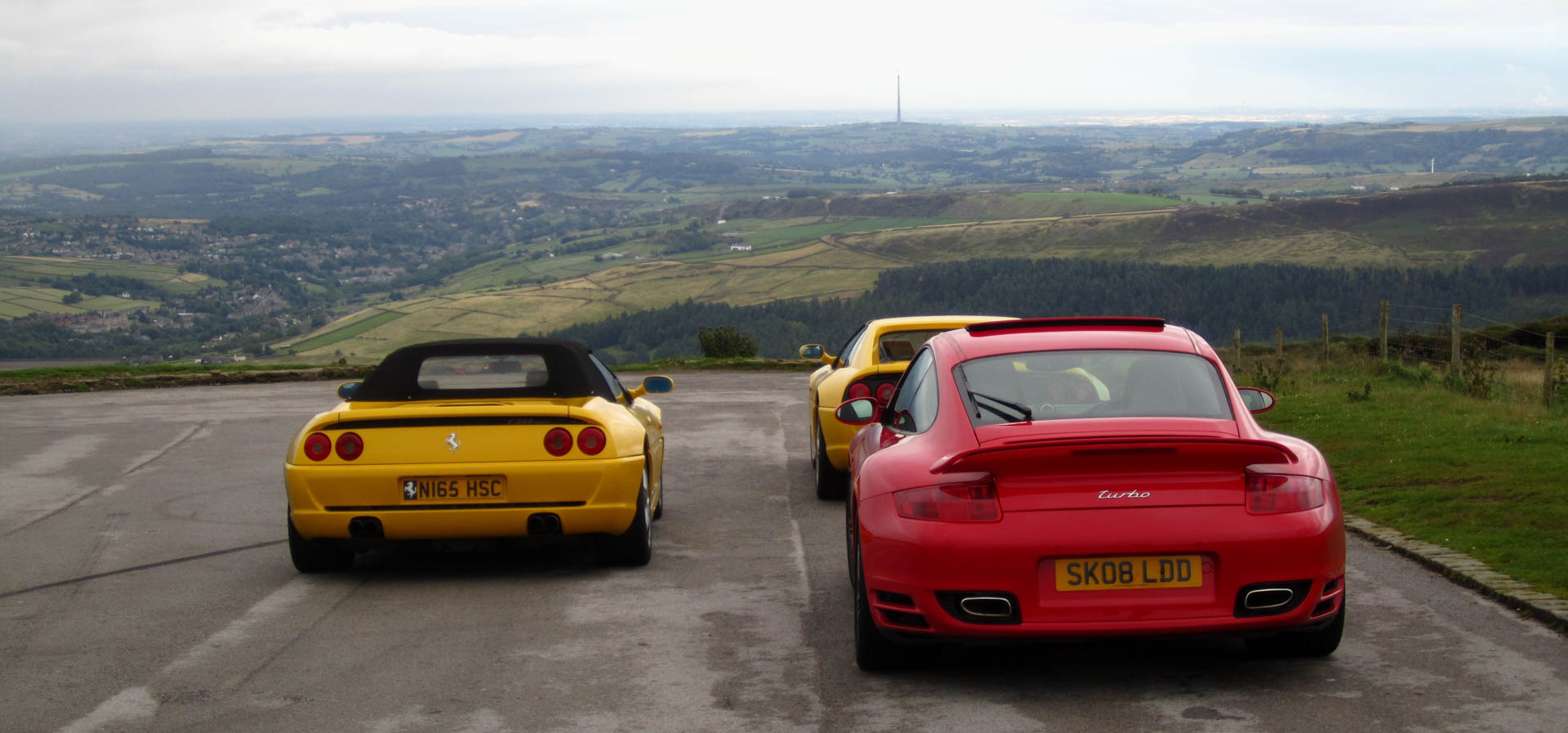
These are the cars that defined the formative years of Supercar Driver. They were the cars arriving at our first events. The cars filling the car parks. The cars we photographed, followed down country roads and heard disappearing into the distance. They were the backdrop to Supercar Driver growing up. So of course I’m going to have an emotional attachment to them. But I don’t think it’s purely nostalgia.
"Nobody seemed particularly concerned with whether any of it made sense. They just built them."
We’ve now had another 15 years of development to give us some perspective on just how special that period was. These cars occupied a brilliant window in automotive history. They were modern enough to be genuinely usable, dependable and seriously fast, but analogue enough that the driver was still a significant part of the process.
More importantly, manufacturers were prepared to take risks. A V10 family estate. A lightweight British sports car with hardly any driver aids. A manual V12 Lamborghini. A Ford GT that looked like it had driven straight out of the 1960s. Nobody seemed particularly concerned with whether any of it made sense. They just built them. And perhaps that’s what I miss most.
We spent years chasing the next generation because the next generation was always better. Now many of us are chasing the cars we left behind. Maybe we had to experience where the supercar went next to realise just how good we already had it.
At the time, none of these cars seemed particularly unusual. They were simply the cars we had around us. Looking back now, I think we were incredibly lucky.