Feature
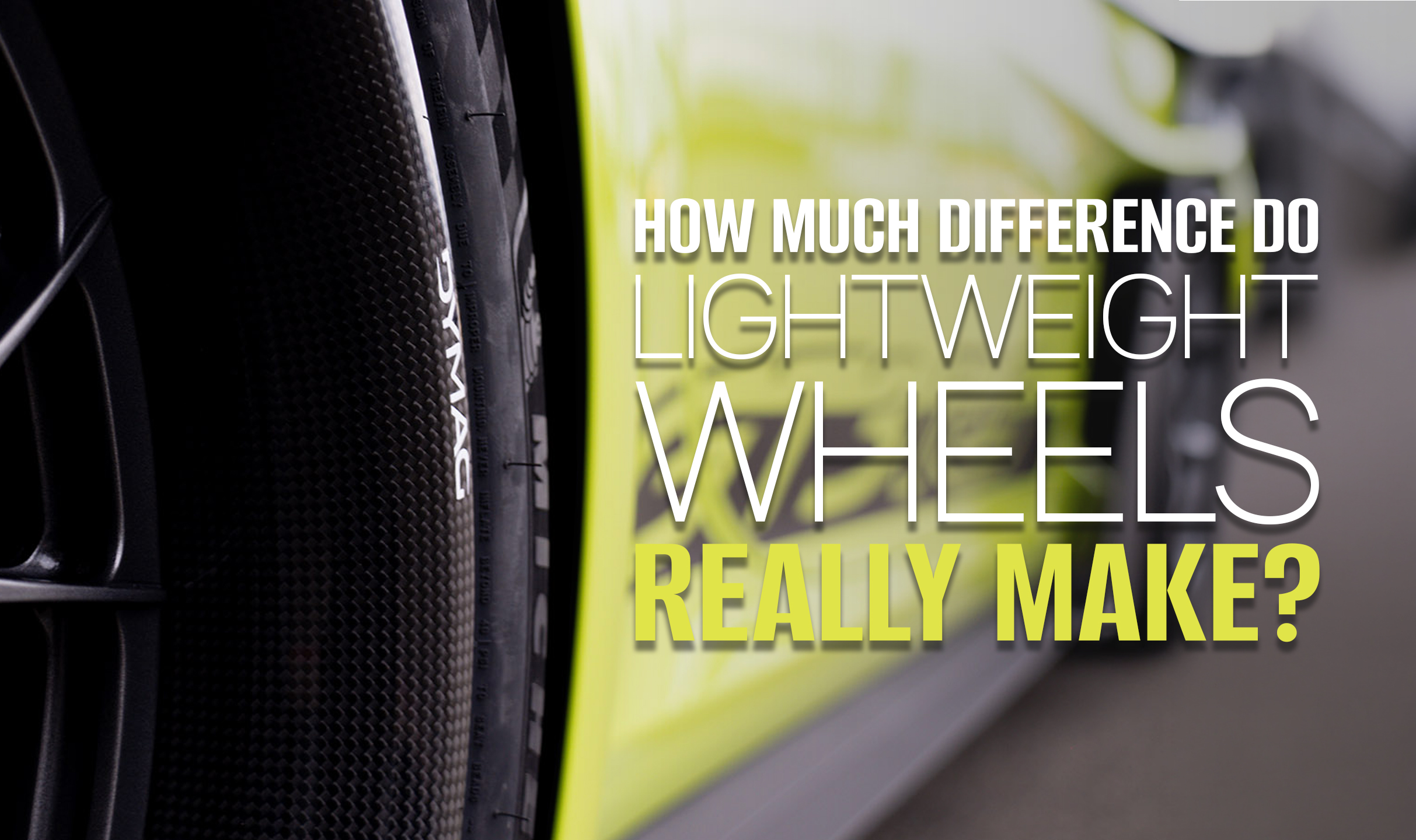
How Much Difference Do Lightweight Wheels Really Make?
A lighter wheel isn't just a lighter wheel. It is unsprung mass. It is rotating mass. But how much difference does that make?
October 10, 2026
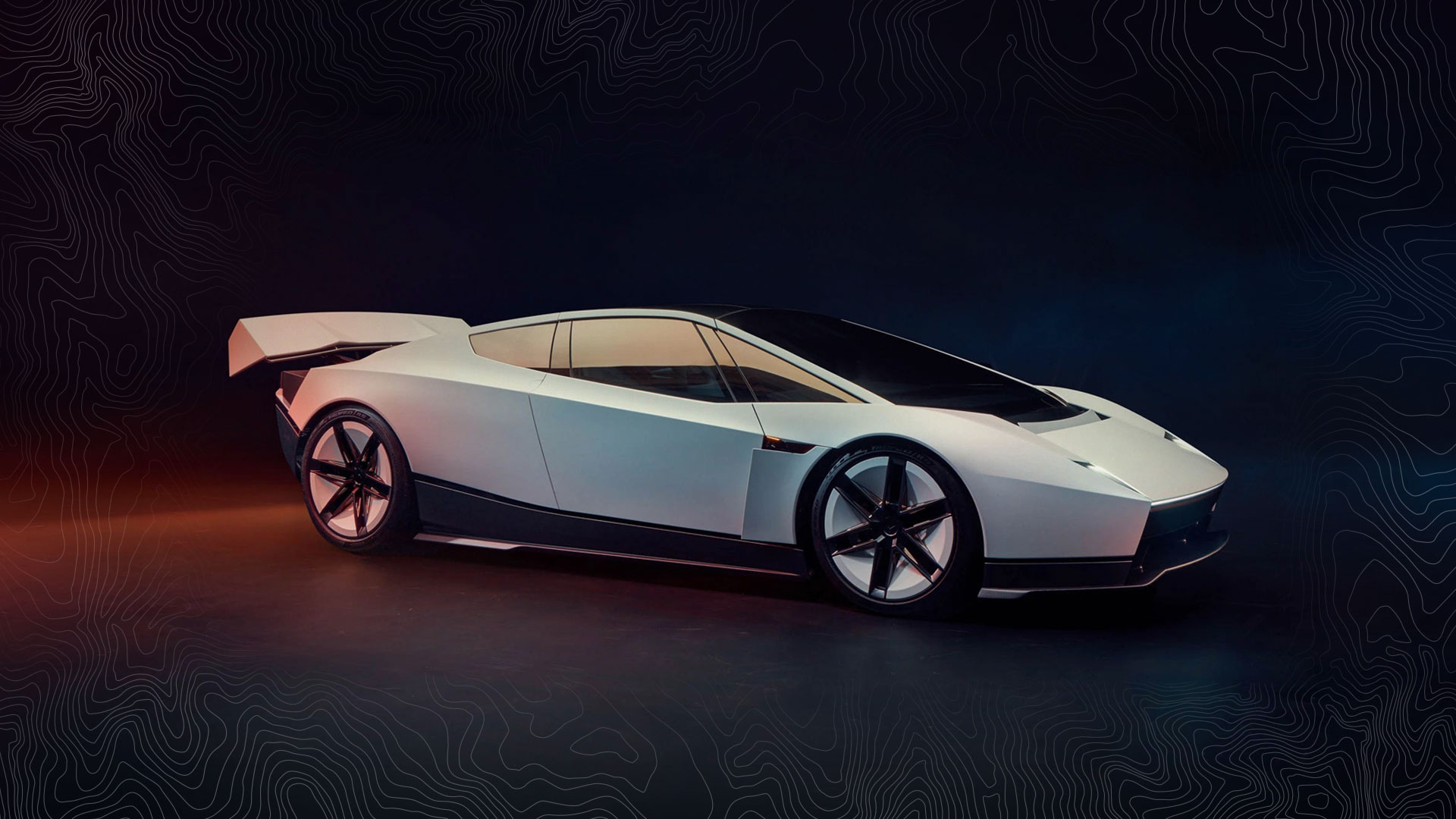
The Tesla Roadster: Or how Elon Musk spent nine years inventing a car that can do a backflip, drive on the ceiling and make absolutely no sense whatsoever.
There are moments in human history when you have to stop what you’re doing, put down your cup of tea, stare thoughtfully into the middle distance and wonder whether the entire human race has finally lost its collective mind. The invention of the nuclear bomb was probably one. The first time someone decided to eat an oyster must have been another. And somewhere on that list, probably between the invention of the selfie stick and the decision to put pineapple on pizza (although, I am in favour of that), we must now add the unveiling of the new Tesla Roadster.
Before we go any further, a small warning. This article contains language that would make a docker blush, a nun burst into flames and your grandmother wash my mouth out with industrial-strength bleach. If you’re easily offended, I’d suggest reading something more wholesome, perhaps the instruction manual for a tumble dryer. Although, as we’re about to discover, even that contains more practical engineering than the Tesla Roadster.
Because Elon Musk, a man who already makes rockets, electric cars, humanoid robots and the occasional deeply questionable decision on social media, has apparently decided that the one thing missing from the modern motor car is the ability to do a somersault. Which is precisely the sort of weapons-grade bollocks you’d expect from a man who already spends his afternoons launching things into space.
And when I say “a somersault”, I don’t mean metaphorically. Not in the sense that it corners so well it feels as though you’re defying physics. I mean an actual, airborne, wheels-pointing-at-the-sky, complete somersault.
And having considered what Tesla is promising, I am left with two very distinct thoughts. Firstly, the engineering involved is genuinely astonishing. Secondly, I think Elon Musk may have finally gone completely and utterly off his tits.
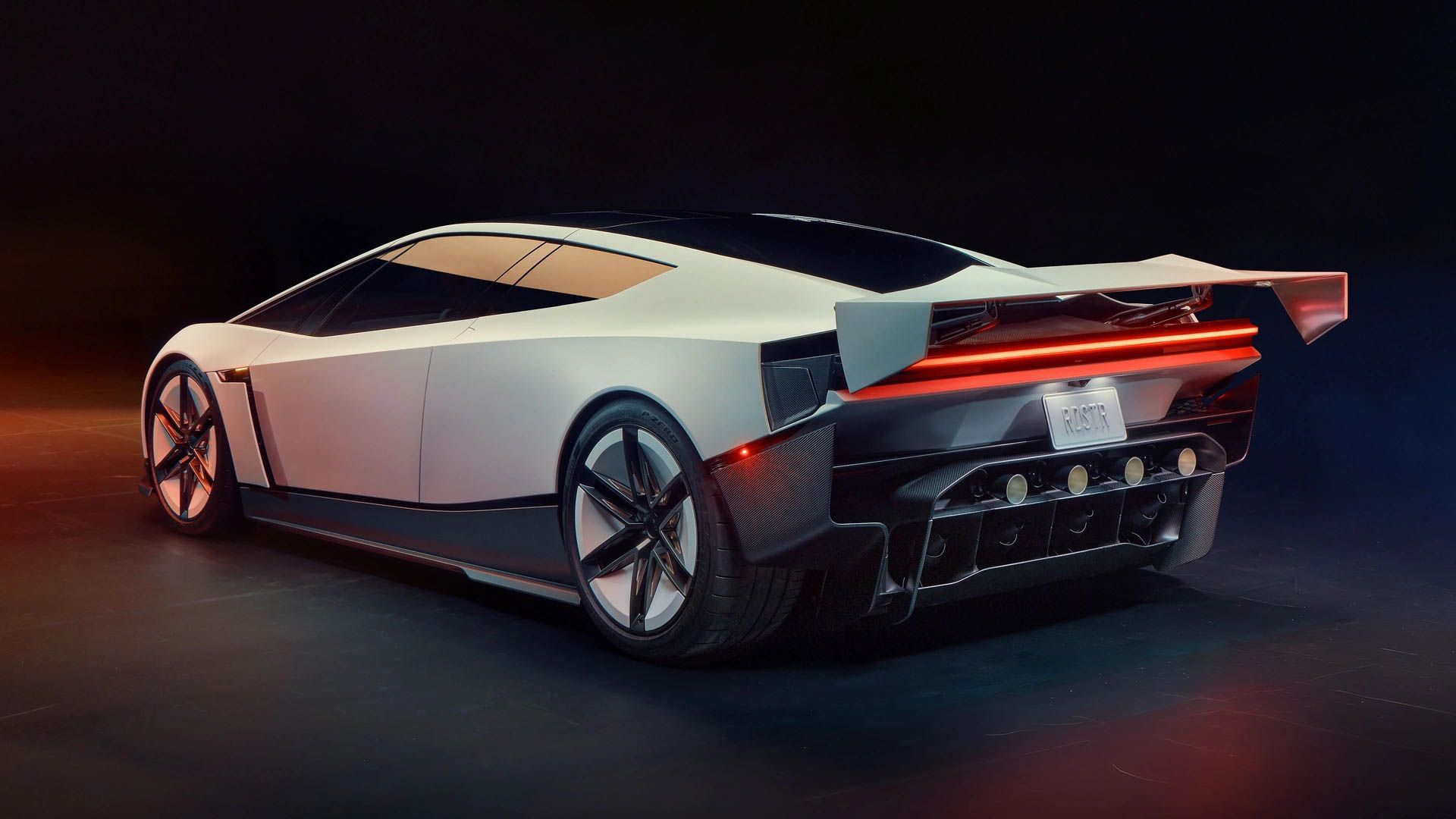
To understand quite how we arrived at this extraordinary moment, we need to travel back to 2017, when Tesla first announced its second-generation Roadster. At the time, Musk promised a car that would accelerate from 0 to 60mph in 1.9 seconds, travel 620 miles on a charge and generally make every Ferrari, Lamborghini and Porsche look as though it had been assembled by a Victorian blacksmith who’d recently suffered a serious head injury.
It was going to arrive in 2020. Which, as you may have noticed, was six years ago.
Since then, we’ve had a global pandemic, one hundred and fifty-nine British Prime Ministers, an energy crisis, a war in Ukraine and enough political upheaval to make the fall of the Roman Empire look like a minor disagreement at a parish council meeting (I’m looking at you, Jackie Weaver).
Throughout all of this, the Tesla Roadster remained conspicuously absent, presumably sitting in a laboratory somewhere while Musk wondered whether it might be possible to fit it with a small nuclear reactor or make the windscreen display pornography.
But now we’re being treated to another chapter in the Roadster story, and I think I understand why it has taken so long. They weren’t building a car. They were building a carbon-fibre lunatic asylum with number plates. And somewhere along the way, the engineering department appears to have mistaken the original design brief for a particularly ambitious episode of Jackass.
Normally, when a manufacturer unveils a new sports car, there are some dramatic lights, a sheet is pulled away, a man in an expensive suit talks about heritage and someone announces that the stitching on the seats was inspired by the wings of a particularly athletic eagle.
Tesla, on the other hand, has spent years discussing the possibility of making the Roadster fly. And not merely a little hop, either. Musk has spoken about SpaceX technology, rocket thrusters and performance that would make conventional supercars look like agricultural machinery. The idea of a car performing aerial gymnastics sounds less like an automotive development programme and more like something dreamed up by a twelve-year-old after drinking seventeen cans of Red Bull.
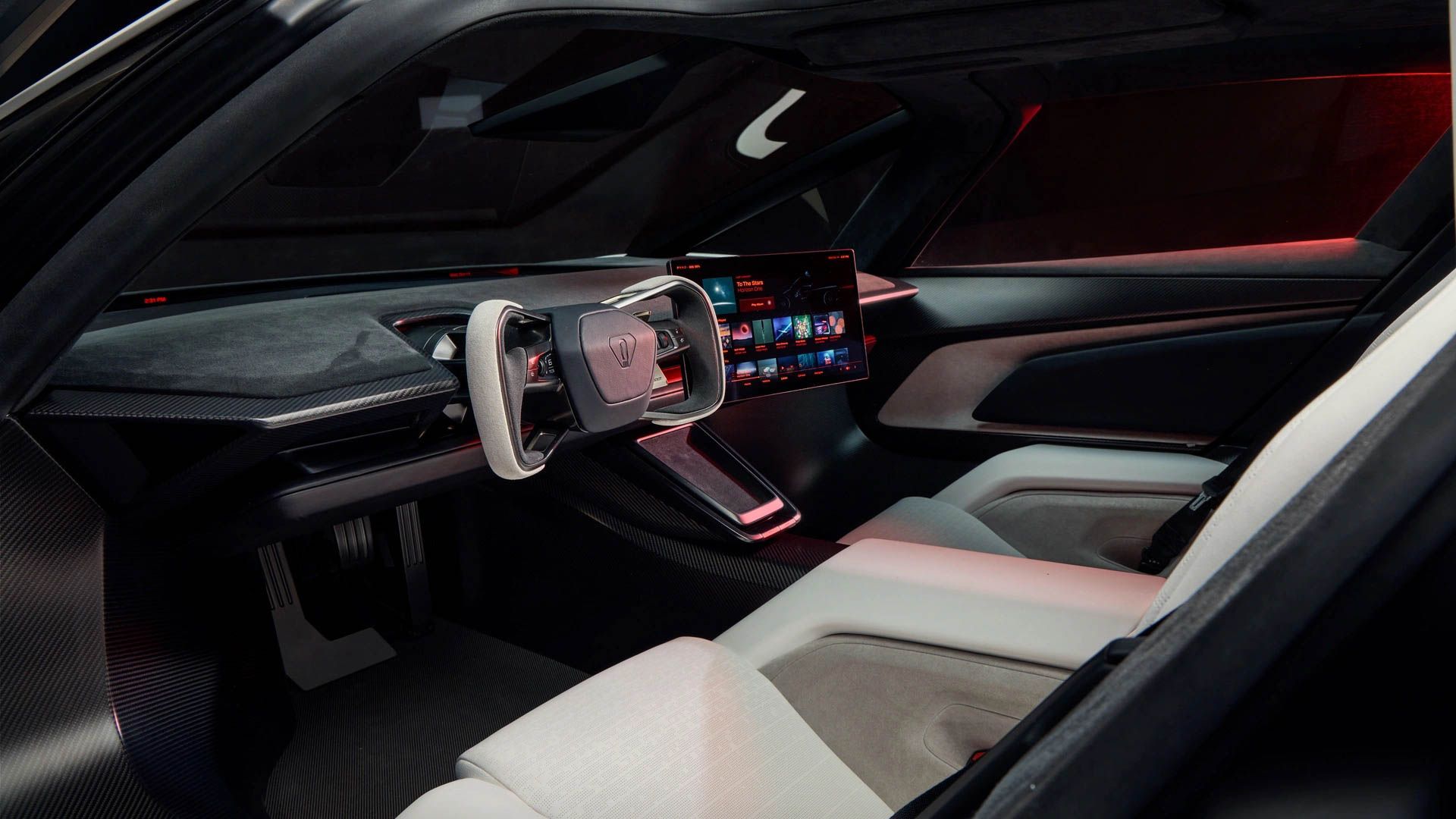
I find myself wondering what exactly happened in the original engineering meeting. Presumably, someone suggested making the car lighter. Another engineer probably wanted better brakes. A third might have mentioned improving the steering feel. And then Elon walked in, looked at the drawings and announced that what the project really needed was the ability to leap over a lorry like a frightened gazelle. At which point, rather than calling security, everyone apparently nodded and got on with it.
Now, the really irritating thing about all this is that the technology is rather clever. In fact, it’s exceptionally clever, and understanding how it might work makes the whole spectacle even more gloriously ridiculous.
You see, ordinary cars accelerate by turning their wheels. The tyres grip the road, the engine or electric motors produce torque, and the whole contraption moves forwards. There is, unfortunately, a limit to how much acceleration you can achieve because rubber can only grip tarmac so hard. Eventually, no matter how powerful your engine becomes, the tyres simply surrender and start spinning.
This is why adding another 500 horsepower to a Bugatti doesn’t necessarily make it dramatically quicker off the line. At some point, physics folds its arms, shakes its head and tells you to stop being a tw*t.
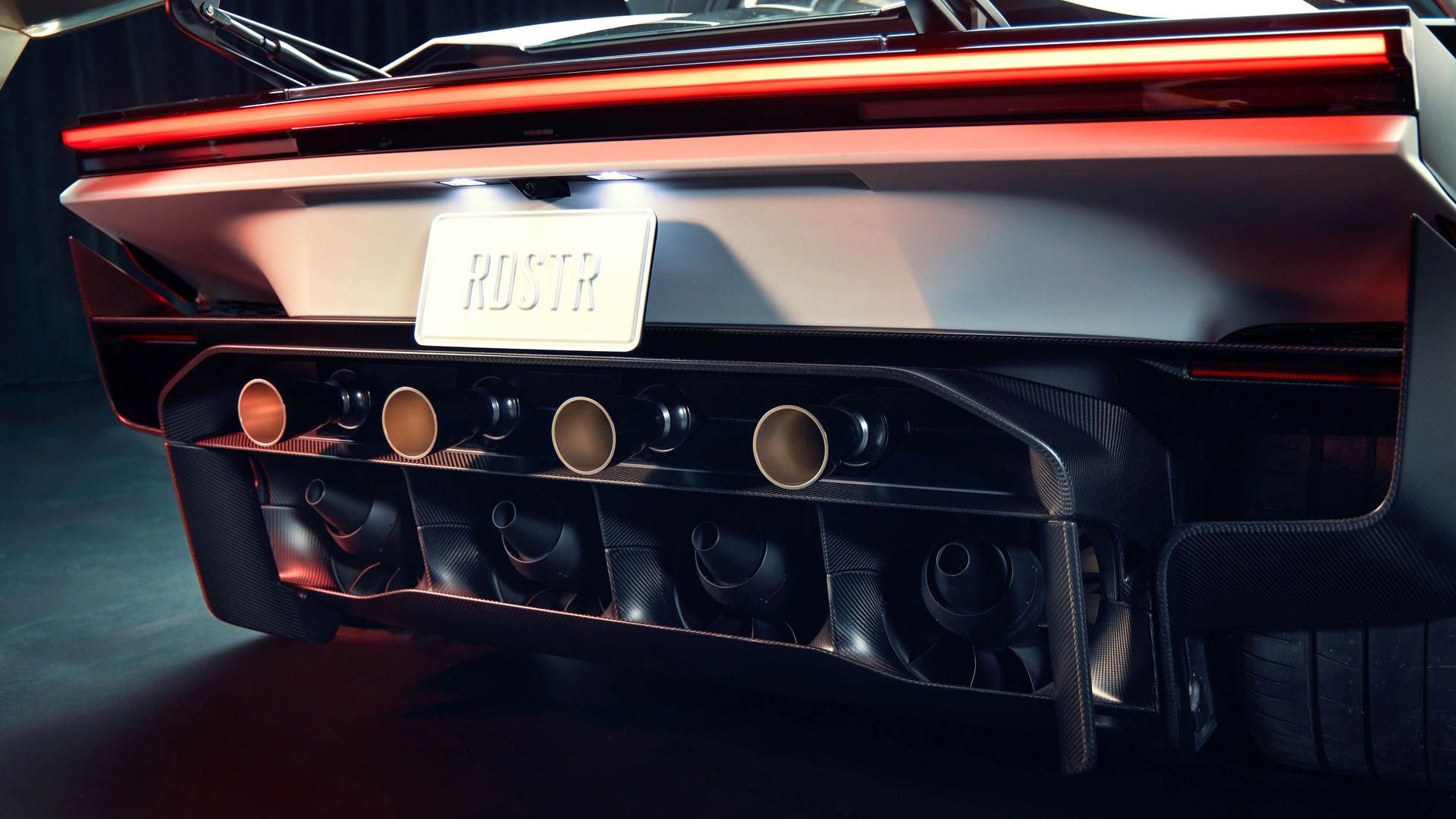
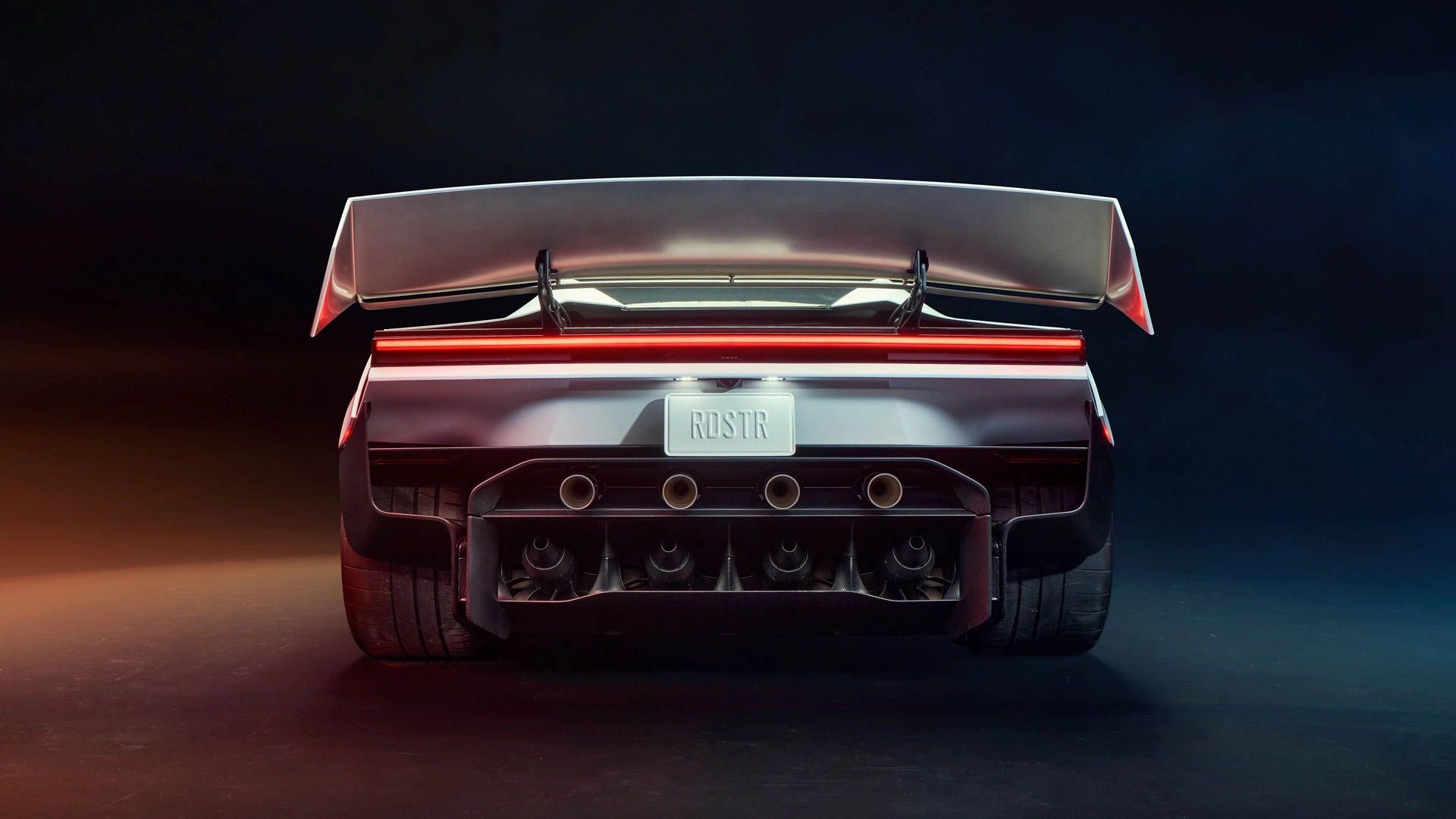
Elon Musk doesn’t particularly like being told to stop being a tw*t. So the proposed solution involves borrowing technology from SpaceX and fitting the Roadster with cold-gas thrusters. These are essentially nozzles that release highly compressed gas at tremendous speed, producing thrust in the opposite direction. It’s Newton’s third law of motion, the same principle that makes a rocket move forwards when it throws something backwards.
Except instead of sending astronauts to the International Space Station, we’re now proposing to use it to make a Tesla accelerate away from the traffic lights outside a garden centre.
The idea is to store compressed gas in extremely strong pressure vessels and release it through carefully controlled nozzles. Unlike a conventional rocket, there’s no fiery combustion involved. It’s simply compressed gas escaping with enough force to propel the car.
Imagine blowing up a balloon, letting it go and watching it shoot around the kitchen while your Labrador has a nervous breakdown. Now imagine the balloon weighs nearly two tonnes, costs a quarter of a million dollars and can flatten a bus shelter. You’re getting close.
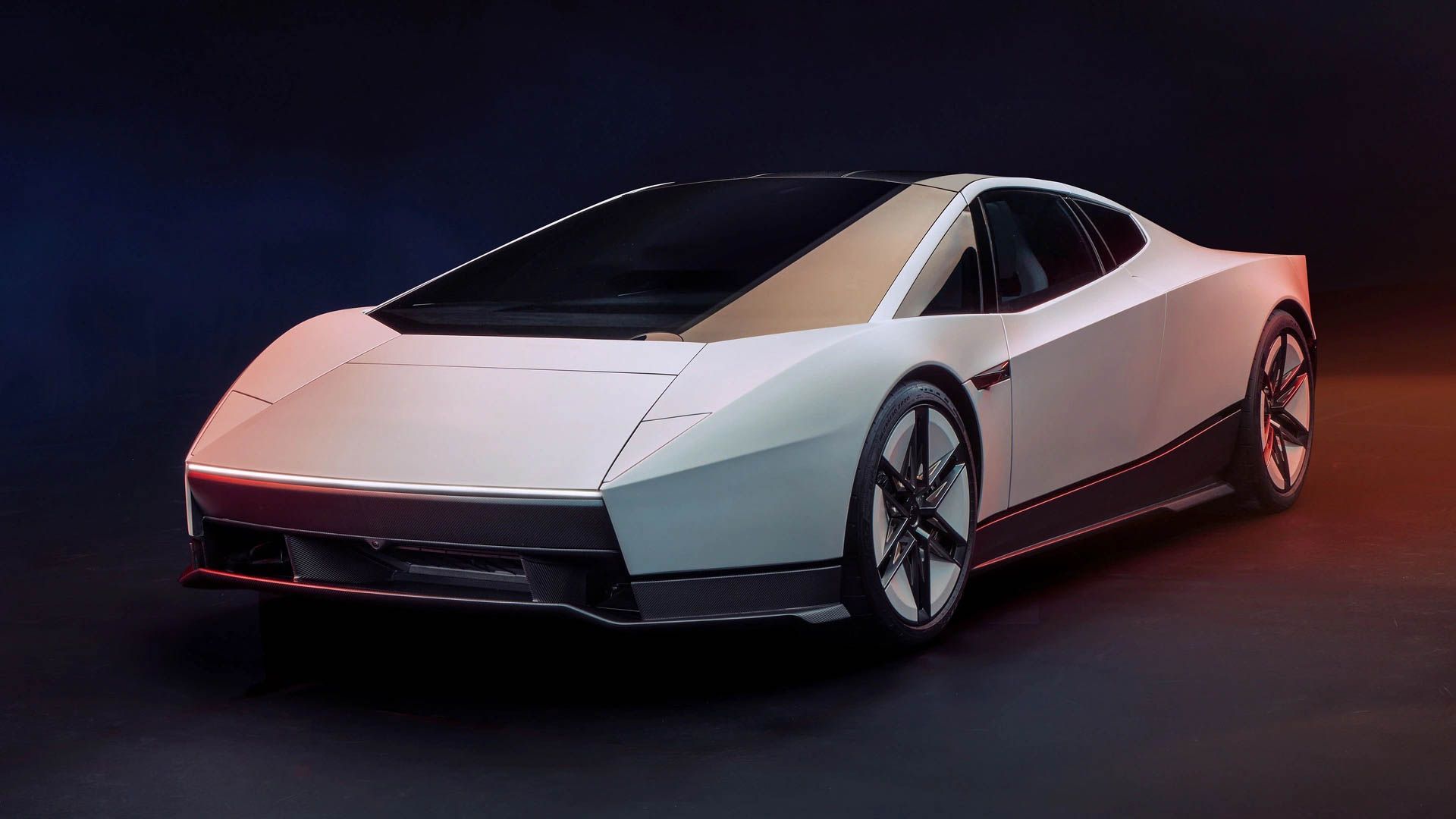
On stage, Musk demonstrated the prototype Roadster reaching 60mph in less than a second. Whether those numbers can be delivered in a production car remains to be seen, but even entertaining the possibility is enough to make you question whether the entire engineering team has been licking electrical sockets.
To put that into perspective, a Ferrari SF90 takes roughly two and a half seconds to reach 60mph. A Porsche 911 Turbo S is in much the same territory. These are staggeringly quick machines that can rearrange your internal organs and make your passenger reconsider their relationship with you.
The Tesla, if it achieved the most ambitious claims, would be travelling at 60mph before you’ve finished saying, “Watch this”.
At that level of acceleration, your head would be pressed backwards into the seat, your neck muscles would be filing a formal complaint and any loose objects in the cabin would immediately relocate themselves to the rear bulkhead.
Your sunglasses would become a projectile. Your phone would disappear into another postcode. And the expensive coffee you bought five minutes earlier would be making its way towards the back window at approximately the speed of a medium-sized artillery shell.
Your passenger would emerge looking as though someone had attempted to remove their face with an industrial vacuum cleaner. And this, apparently, is progress.
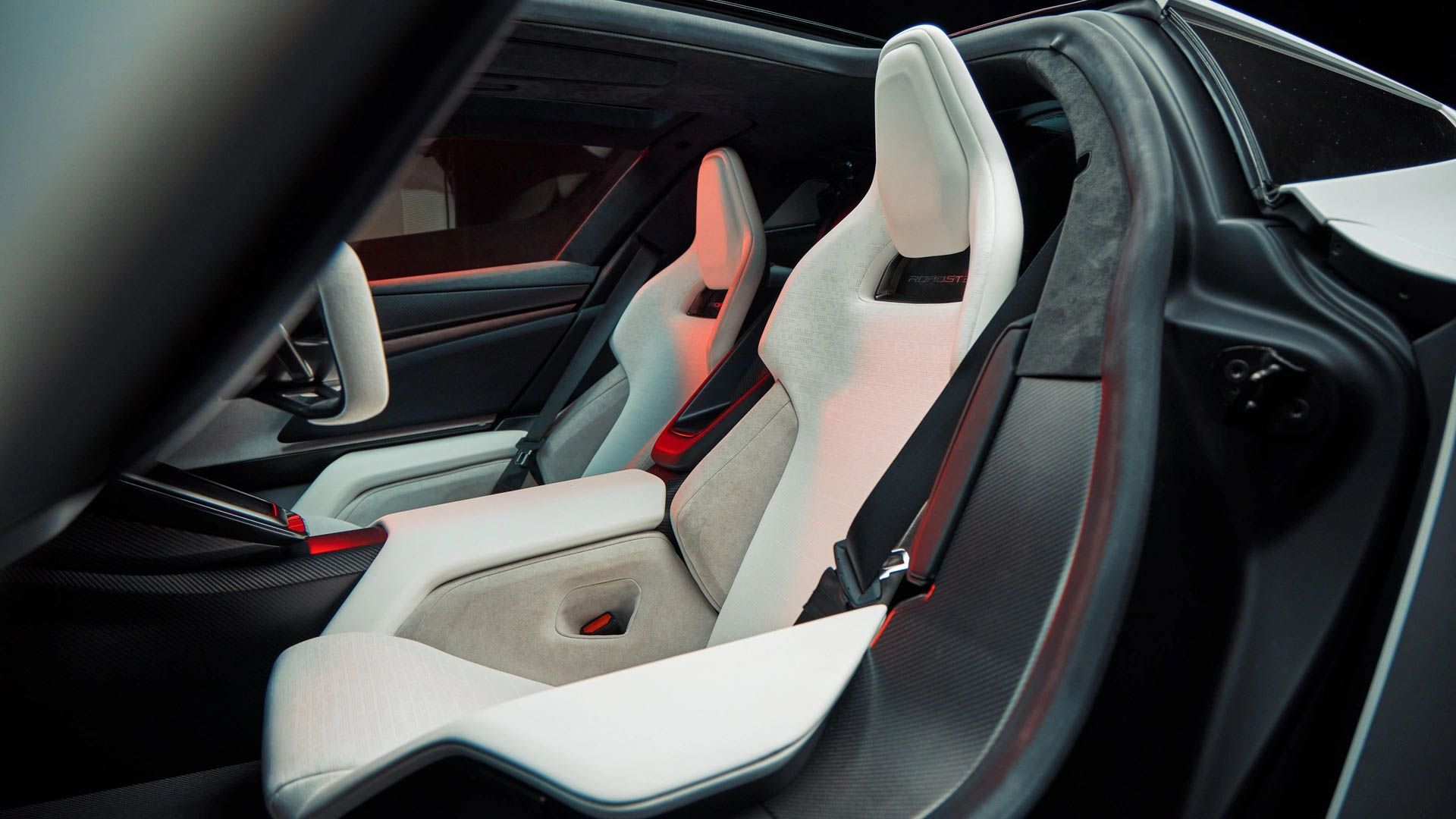
But the acceleration is merely the opening act. Because another fascinating branch of automotive engineering involves using suction to make cars stick to the road. Yes. Suction.
For those unfamiliar with the principle, the idea is to use powerful fans to remove air from underneath the car, creating an area of lower pressure. The higher atmospheric pressure above then pushes the car downwards, increasing the load on the tyres and allowing them to generate more grip.
It’s not entirely new. The McMurtry Spéirling uses a similar principle, and the basic idea has been explored in racing for decades. The clever part is that, unlike conventional aerodynamic downforce, which depends heavily on speed, a fan system can generate significant downforce even when the car is stationary.
In principle, if you generate enough downforce relative to the vehicle’s weight, you could create a car capable of driving upside down. On the ceiling. What in the name of Christ’s left testicle are we supposed to do with that?
For more than a century, automotive engineers have been trying to make cars handle better by lowering their centre of gravity, improving suspension geometry and developing increasingly sophisticated tyres. Now we’re discussing the possibility of building cars that cling to overhead surfaces like a housefly that’s been taking performance-enhancing drugs.
I can just imagine taking one to a track day. You arrive at Silverstone, sign the usual paperwork, attend the safety briefing and listen to a marshal explaining the importance of observing yellow flags and keeping your helmet fastened. Then you politely raise your hand and ask whether there are any particular rules about driving upside down.
"I’m sorry, sir?"
"Upside down. On the ceiling. Is that allowed during the afternoon session, or do I need to wait until the advanced group?"
There would be a silence, followed by a man in an orange jacket slowly reaching for his radio.
The engineering behind fan-generated downforce is genuinely fascinating, but there’s something wonderfully pointless about pursuing the ability to cling to an overhead surface when the overwhelming majority of roads are, rather inconveniently, located underneath us. And even if you could find somewhere suitable, what exactly would be the point?
Imagine explaining it to your wife.
"Darling, I’ve bought a new car."
"That’s nice. Is it comfortable?"
"Not especially."
"Can we take it to France?"
"Possibly, although the range might be rather different from what they originally promised."
"Does it have room for the luggage?"
"Well, the rocket equipment may make that rather difficult."
"Can I come with you?"
"Possibly. It depends on which version they eventually build."
"Then why on earth have you bought it?
"Because it might be able to drive on the ceiling."
At which point, I suspect, the conversation would end with a solicitor becoming involved.
And then, just when you think the engineering department must surely have exhausted its supply of recreational pharmaceuticals, you remember that Musk has also floated the possibility of the Roadster flying. Not flying in the conventional sense, with wings, lift and a pilot asking air traffic control for permission to land. It’s more like an extremely expensive frog that has been fired out of a cannon.
The prototype demonstration saw SpaceX thrusters providing forces that conventional wheels and tyres cannot tolerate. Carefully directed thrust can control a vehicle’s attitude, as demonstrated by spacecraft manoeuvring systems. Whether Tesla can package such abilities into a safe, road-going production car is an entirely different question.
The technology is used in space because there’s no road, no tarmac and no convenient set of Pirelli P Zero R’s to help you change direction. On a car, it’s rather like fitting a sunken shipwreck with a trampoline.
It’s the sort of concept that could only emerge from a room full of highly educated lunatics who have spent so long solving impossible engineering problems that nobody has remembered to ask whether the problems needed solving in the first place.
And this raises an obvious question. Where, precisely, are you supposed to use the flying feature? I mean, genuinely. Think about it.
You’re driving through the Yorkshire Dales on a pleasant Sunday morning. The sun is shining, the roads are quiet and you’re enjoying a lovely stretch of tarmac. Suddenly, you come across a particularly inconvenient sheep.
In a normal car, you brake, wait for the sheep to move and carry on. In the Tesla, do you press the rocket button, launch yourself thirty feet into the air, execute a perfect barrel roll over the offending livestock and land on the other side, leaving the sheep staring in astonishment and the local farmer reaching for his shotgun?
Or perhaps the technology is intended for avoiding potholes. Given the state of British roads, this might actually be the strongest argument in Tesla’s favour. Rather than spending billions repairing the nation’s crumbling road network, the Government could simply insist that everyone buy a car capable of jumping over the holes.
There would be problems, of course. For a start, you’d need to ensure that the person behind you wasn’t driving a Fiat Panda, because they might be slightly surprised when the car ahead suddenly fired itself into the air like a startled pheasant.
And then there’s the question of landing. Taking off is one thing. Landing a nearly two-tonne sports car on a public road, surrounded by pedestrians, cyclists, traffic lights and elderly people carrying shopping bags, is something else entirely.
Imagine the insurance claim.
"Please describe the circumstances of the accident."
“I was approaching a roundabout when I activated the vertical thrusters to avoid a pothole. Unfortunately, I misjudged the landing and came down on a garden shed."
“Were any other vehicles involved?”
“No, but I believe I may have killed a greenhouse.”
“And were you travelling at an appropriate speed?”
“Well, I was technically airborne at the time, so I’m not entirely sure which speed limit applied."
And the insurers would presumably have to introduce a new section on the proposal form asking whether you intend to operate the vehicle upside down, airborne or in a manner more commonly associated with the Red Arrows.
The entire insurance industry would have a collective nervous breakdown. Underwriters would be found wandering the streets in their pyjamas, muttering about Newton’s third law and asking strangers whether they had ever considered the consequences of landing a Tesla on a conservatory.
There is also the rather awkward matter of legislation. A road-going car equipped with rocket thrusters would face some fairly extraordinary questions about safety, vehicle approval and where such equipment could legally be operated.
Which means that Tesla could spend years developing the ability to make a car fly, only for the authorities to point out that flying cars are not generally permitted to use the A64. Marvellous.
It might be a car. It might be capable of leaving the ground. But if you cannot legally use the most extraordinary features on the road, you’re left with an extremely expensive demonstration of what happens when engineering ambition becomes completely detached from reality.
Essentially, Elon Musk is attempting to invent a new category of transport that appears to exist exclusively for showing off to other billionaires.
Then there’s the practical issue of the compressed gas itself. The proposed thrusters need somewhere to store that gas, and high-pressure vessels aren’t exactly the sort of thing you can fold neatly into a glovebox. Every litre of space occupied by the equipment is space that cannot be used for luggage, passengers or the usual assortment of things people carry in their cars.
And once the gas has been released, it has to be replenished. This is a little like owning a Ferrari that can produce 2,000 horsepower, but only if you visit a specialist facility afterwards to have someone reinflate it.
Imagine arriving at a petrol station.
"Morning. Can I help?”
“Yes, I’d like to recharge the car, please.”
“Certainly. Charger number four is available.”
“And I’d also like to refill the rocket system.”
“The what?”
“The rockets.”
“I’m afraid we’ve only got petrol, diesel and screenwash.”
“Right. Have you got an airline?”
“Yes, next to the vacuum cleaner.”
“Excellent. I’ll need an industrial quantity of compressed gas at an extremely high pressure.”
“Sir, that’s for inflating tyres.”
“Well, technically, I’m trying to inflate the entire concept of motoring."
The attendant would probably call the police, and quite rightly so.
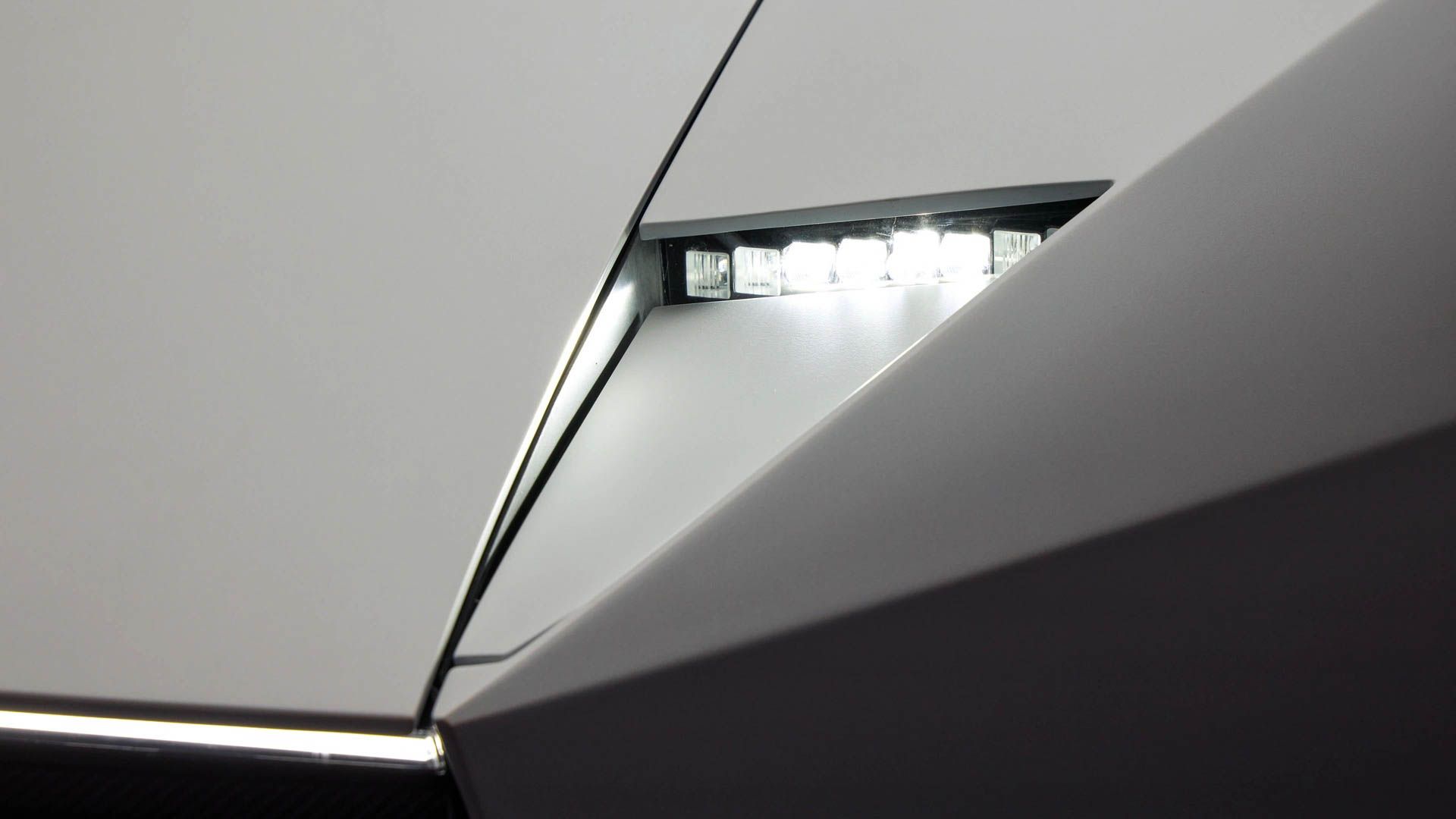
The more you examine this machine, the more questions appear. Tesla originally talked about a 620-mile range, which was extraordinary for an electric sports car in 2017. But battery technology, weight, performance and the space needed for additional equipment all involve compromises. The more extraordinary the hardware becomes, the more difficult it is to imagine every original promise surviving unchanged.
We’ve waited nine years, and rather than simply getting a finished sports car, we’re still discussing the possibility of rocket-assisted acceleration and aerial acrobatics. This seems an unusual set of priorities.
Imagine ordering a new kitchen in 2017, being told it would arrive in 2020, and then finding yourself still discussing the specification in 2026. You discover that the manufacturer has become obsessed with developing a dishwasher capable of launching a chicken through the ceiling. You’d probably have some questions.
And what of the price? The original Roadster was announced with a starting price of around $200,000, with the Founders Series costing more. But years of delays, changing specifications and ever more ambitious promises make it difficult to know what the finished car will actually cost.
And this is perhaps the most Tesla part of the entire story. Customers have been able to reserve a vehicle that has spent years somewhere between an engineering project, a marketing spectacle and a particularly elaborate promise. It’s like buying a ticket for a flight to Mars, only to discover that the departure date is provisional, the price hasn’t been agreed and the rocket might actually be a toaster.
The entire project has become the automotive equivalent of sh*tting in your own kettle. It’s an extraordinary amount of effort to create a problem that didn’t previously exist, followed by an even more extraordinary amount of effort trying to convince everyone that the result is a magnificent achievement.
And yet, despite everything I’ve said, there is something magnificent about the sheer stupidity of the project. Because the world has become rather sensible lately. Cars are increasingly judged by their efficiency, their carbon footprint, their touchscreen interfaces and whether they can automatically detect a cyclist wearing a particularly reflective jacket.
Manufacturers spend fortunes developing systems to stop us doing anything remotely interesting. The steering wheel vibrates if you approach a white line. The dashboard beeps if you exceed the speed limit. The car politely informs you that you seem tired and should consider taking a break, usually while you’re negotiating a particularly enjoyable corner.
And then along comes Elon Musk, who has apparently instructed his engineers to build a machine that might one day be capable of jumping over an articulated lorry. There is something gloriously rebellious about that.
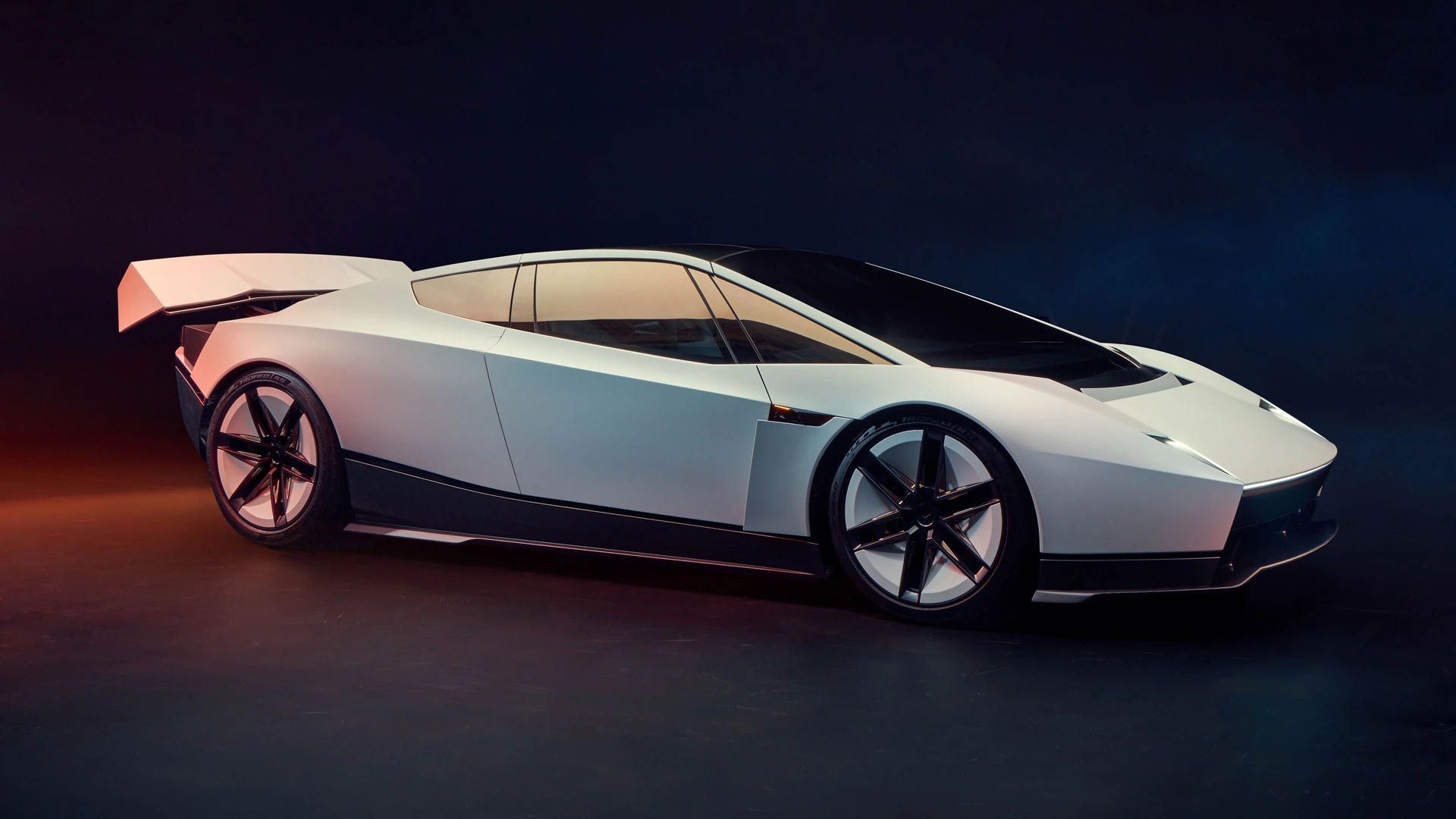
I don’t want one. I certainly don’t need one. And I’m not entirely convinced that allowing ordinary members of the public to operate rocket thrusters on public roads would improve the national accident statistics. But I do admire the fact that someone is prepared to spend an enormous amount of money trying to prove that it can be done.
The trouble is that engineering brilliance and practical usefulness are two entirely different things. You can build a lawnmower with a jet engine, but it doesn’t make it a better lawnmower. You can fit a parachute to a wheelie bin, but it doesn’t make putting the rubbish out any easier. And you can make a car leap into the air and perform a perfect somersault, but it doesn’t make the journey to Waitrose any more convenient. In fact, quite the opposite.
Imagine trying to explain to your passenger that you’re going to demonstrate the car’s most spectacular feature.
"Right, are you ready?”
“For what?”
“I’m going to make the car do a backflip.”
“Why?”
“Because it can.”
“Where are we going to land?”
“Approximately where we started.”
“Then why don’t we just stay here?"
And there, in that simple question, lies the entire problem with the Tesla Roadster.
It is an extraordinary engineering ambition, involving technology that would have seemed like science fiction just a few years ago. It challenges conventional thinking about acceleration and vehicle control. It demonstrates what can happen when enormous technical resources are combined with a complete disregard for common sense.
But once you’ve finished admiring the engineering, applauding the ambition and imagining a sports car impersonating an Olympic gymnast, you’re left with the rather inconvenient reality that almost none of its most extraordinary proposed abilities have any obvious purpose in everyday motoring.
And I can’t help imagining the first owner taking delivery. After waiting more than a decade, he finally receives the keys to his quarter-million-dollar rocket-powered sports car. He admires the carbon fibre, settles into the driver’s seat, studies the extraordinary technology and carefully drives it home.
He pulls onto the driveway, switches everything off and walks into the house, where his wife asks what the new car is like.
"Absolutely incredible. It can accelerate to 60mph in less than a second, potentially stick itself to the ceiling and might even be capable of doing a complete somersault in mid-air.”
“That’s nice, darling. Can you pick up some milk?”
“Of course."
And off he goes, at thirty miles an hour, behind a Nissan Qashqai, towards Tesco.
Because after nine years of promises, extraordinary engineering ambitions, technology borrowed from actual spacecraft and enough automotive f**kwittery to make a cocaine-fuelled chimpanzee look like a responsible adult, there is still one question that nobody at Tesla seems to have answered.
When the f**k are we ever going to use that feature?