Feature
The Most Expensive Thing Ever Lost at Walking Pace
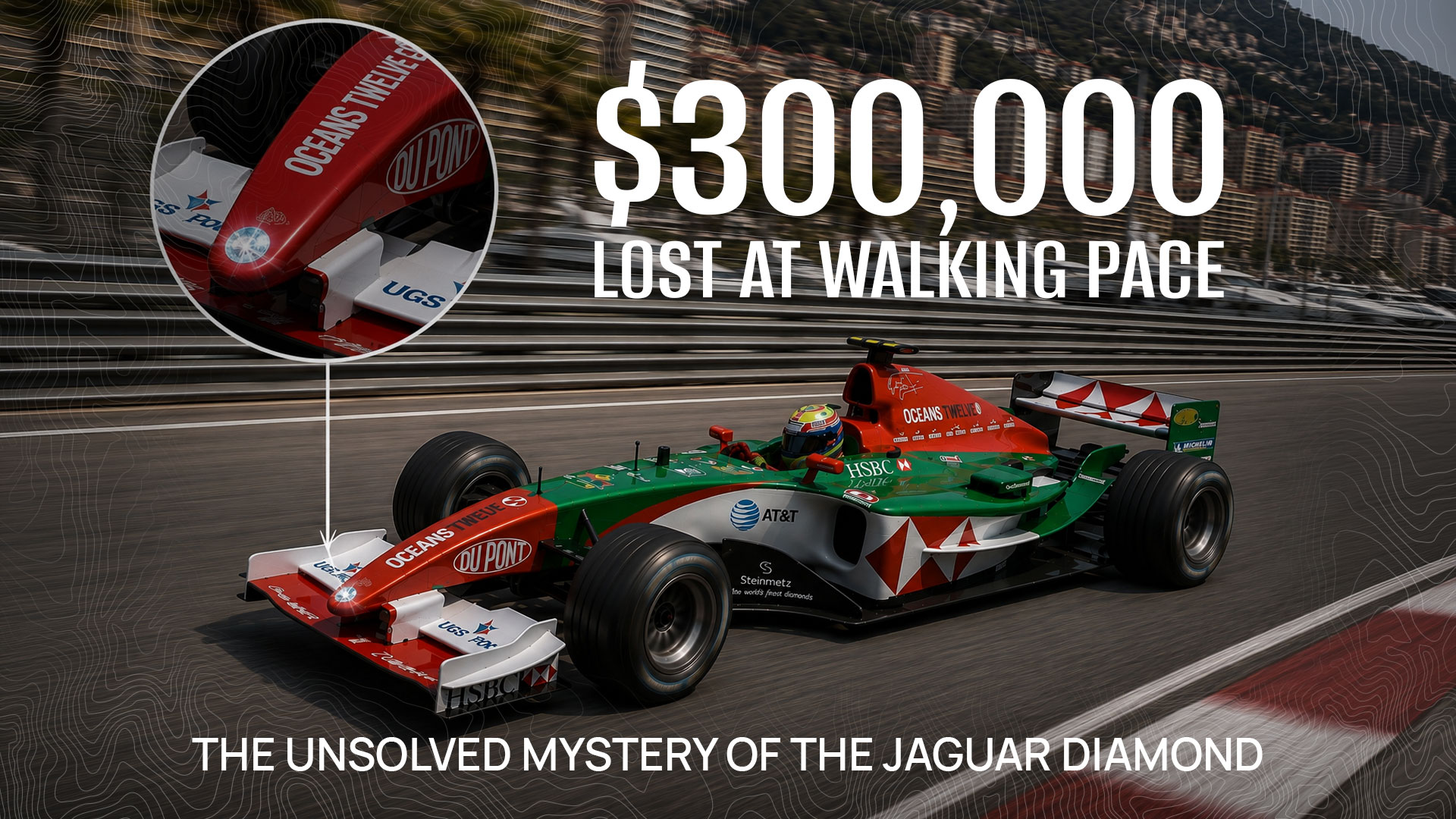
Jaguar’s $300,000 Monaco diamond stunt was outrageous enough. Then the car crashed, the diamond vanished, and an F1 mystery was born.
September 17, 2026
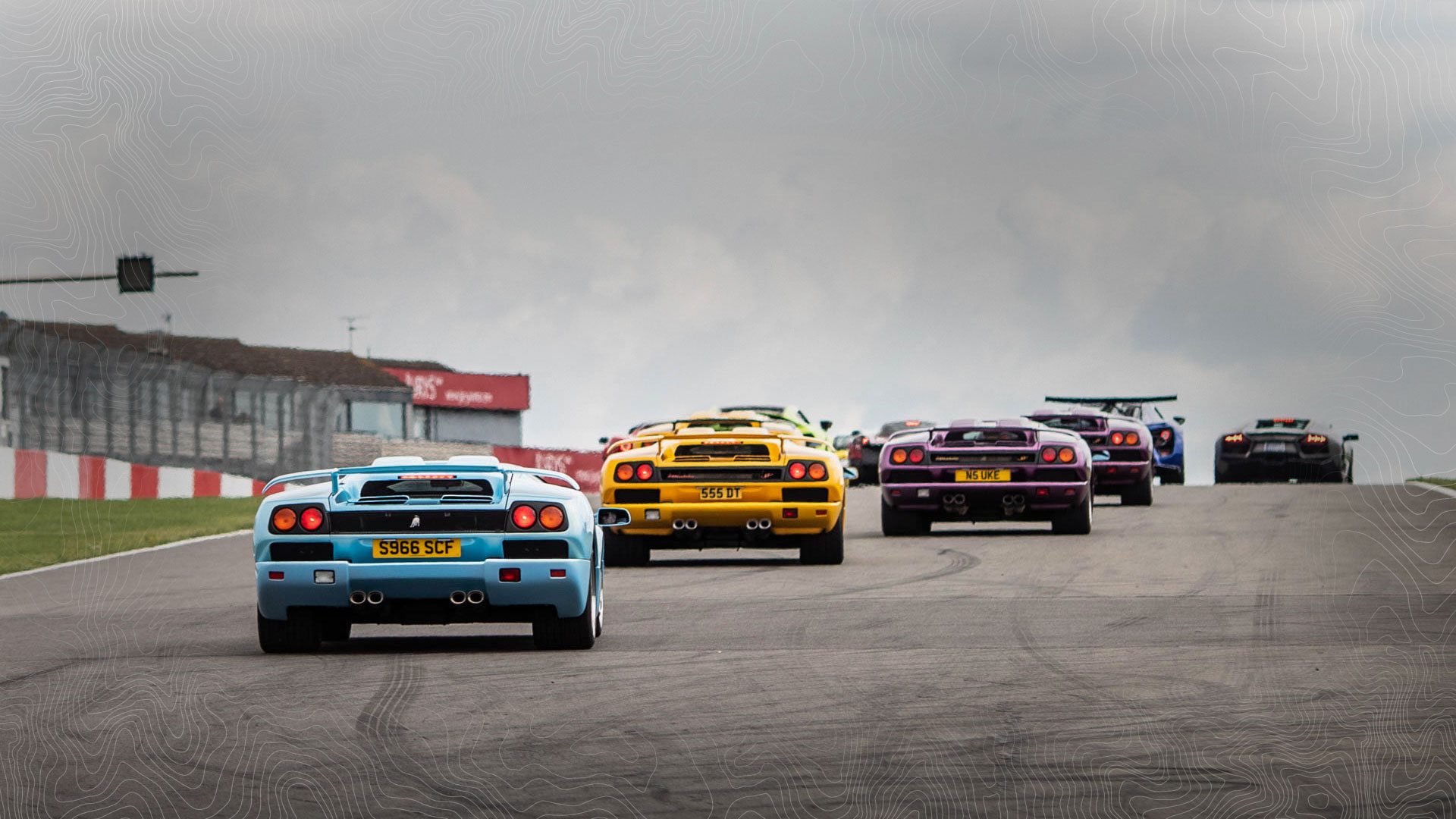
Once a poster car, now a blue-chip classic. Here’s why collectors are becoming obsessed with the Lamborghini Diablo.
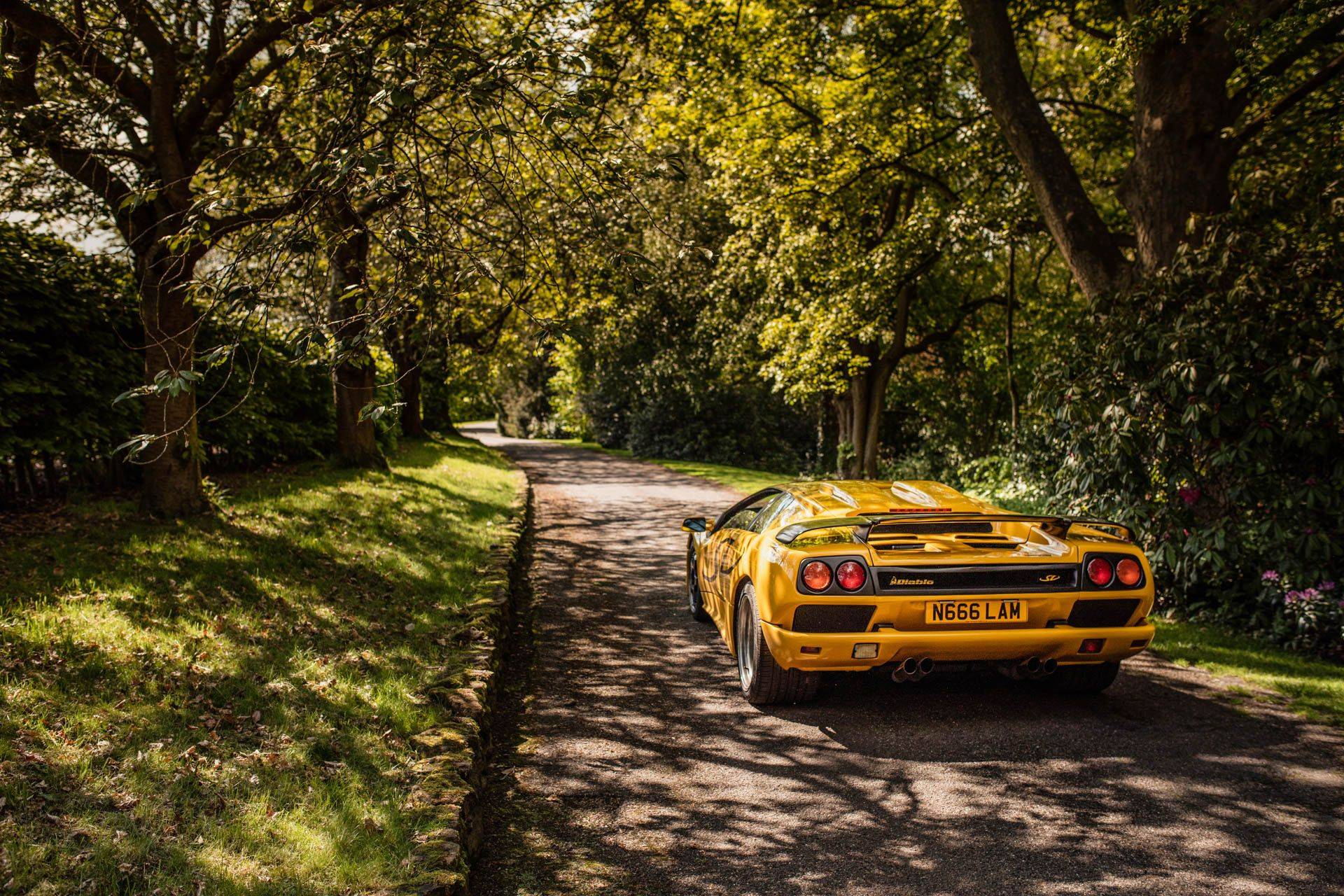
There was a time, not all that long ago, when the Lamborghini Diablo sat in a slightly awkward spot in the collector market. It was iconic, unquestionably dramatic and deeply desirable to anyone who grew up in the 1990s, but values lagged behind the poster-on-bedroom-wall status.
Not anymore. Over the last five to seven years, the Diablo has gone from “cool old Lamborghini” to one of the most sought-after analogue supercars on the market. Values have climbed sharply, demand among enthusiasts has surged, and perhaps most tellingly, buyers are no longer just collectors chasing garage art. They actually want to drive them.
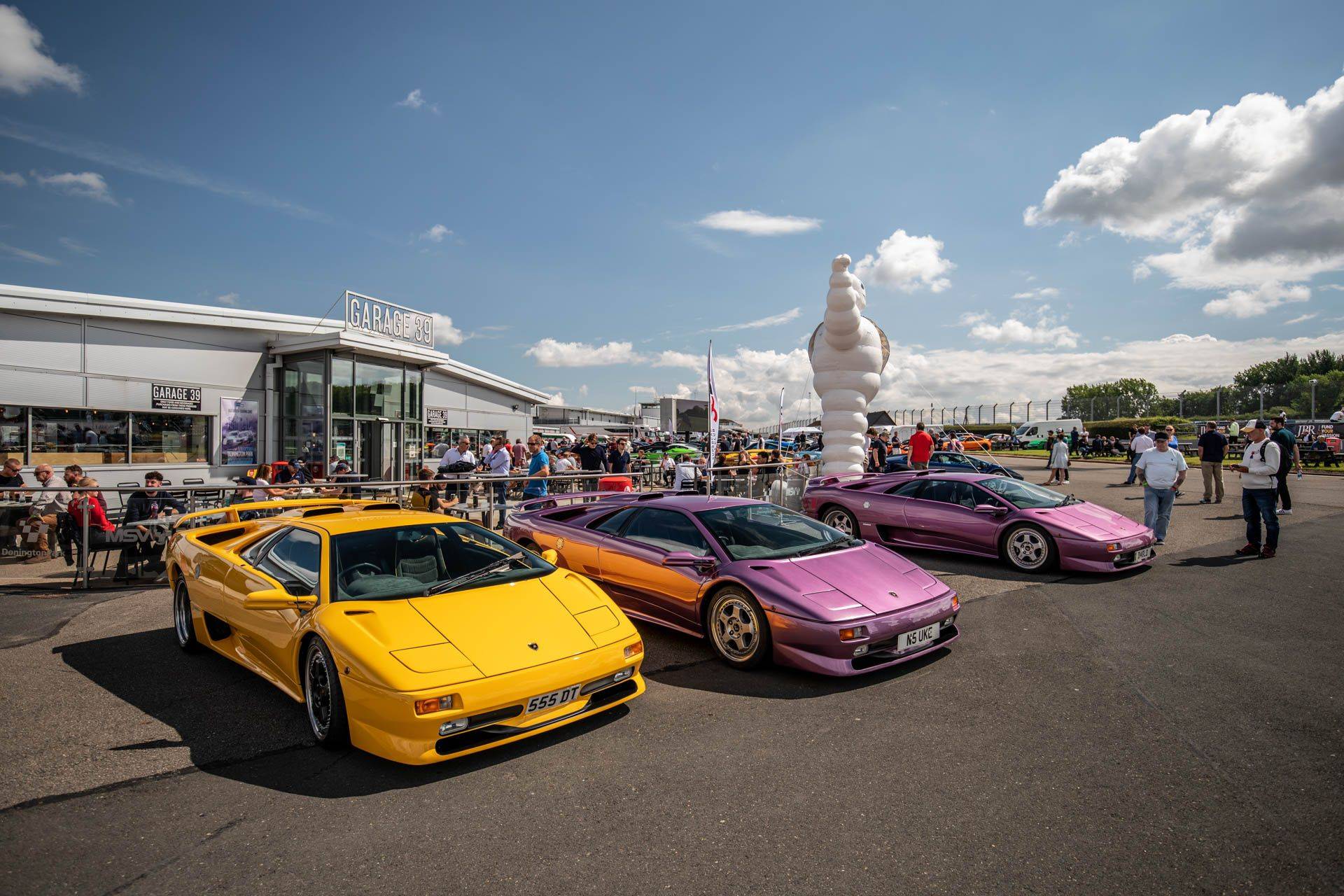
That growing appetite is exactly why TheCarCrowd recently selected a Diablo for one of its syndicates — a Diablo VT Roadster, no less — which sold out rapidly. Judging by what we’ve seen within the Supercar Driver community, that enthusiasm is no surprise. We’ve seen a clear increase in member interest around the Diablo, particularly among those craving something more visceral than today’s more sanitised supercars. And visceral is exactly what the Diablo does best.
When Lamborghini launched the Diablo in 1990, it had one job: build something faster, wilder and more outrageous than the Countach — no easy feat. Sensibly, Lamborghini decided subtlety was overrated.
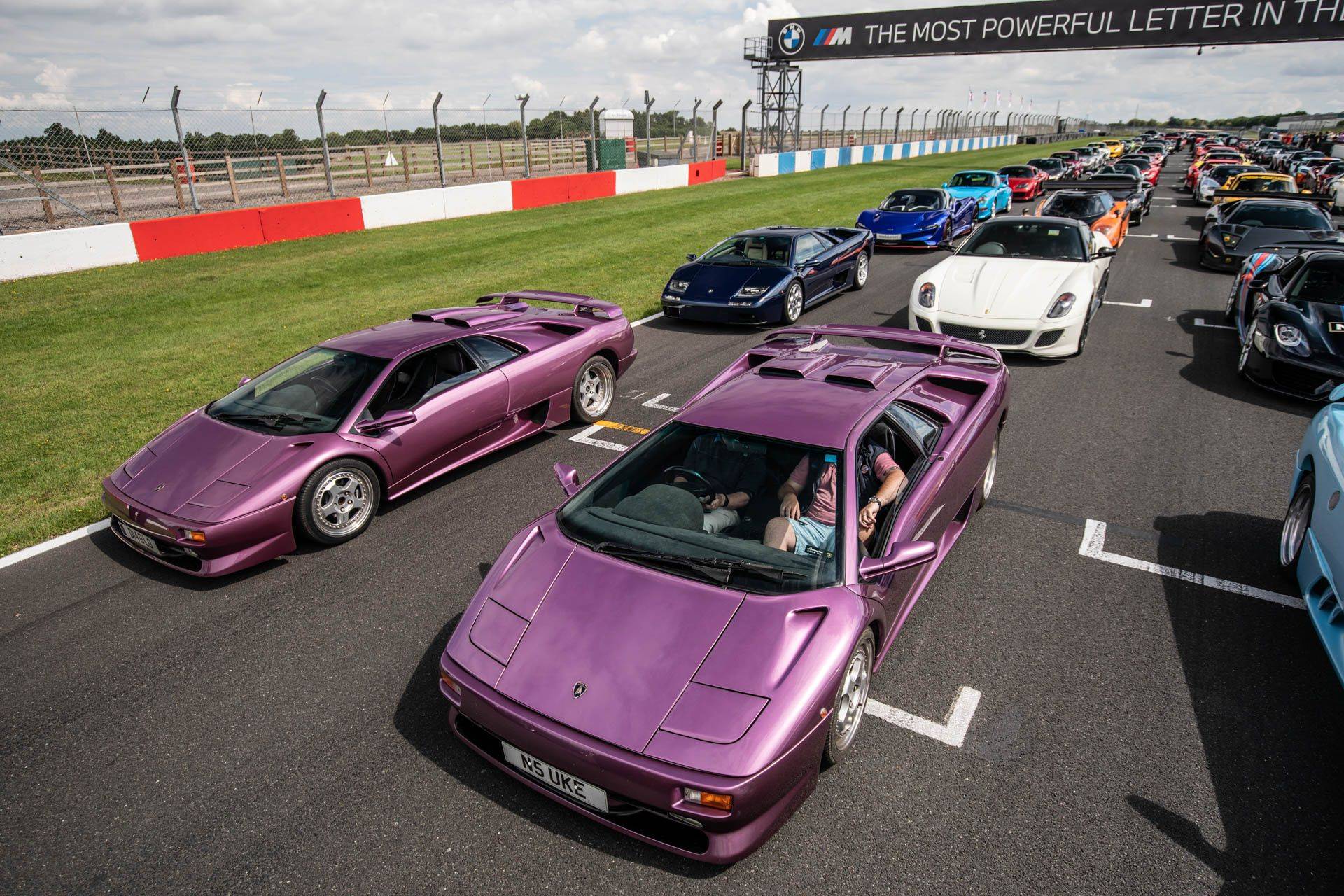
Named after a ferocious fighting bull — Spanish for “devil” — the Diablo arrived with a 5.7-litre naturally aspirated V12 producing nearly 500bhp, a top speed exceeding 200 mph, and styling that did the Countach proud. It was the first production Lamborghini to officially crack the 200 mph barrier, immediately cementing its place among the era’s elite.
More importantly, it delivered the rawness buyers now obsess over. No auto gearbox. No hybrid assistance or even turbocharging. No stability systems to tidy things up. Just a big V12, a gated manual and enough mechanical aggression to keep you fully awake no matter how little you slept the night before.
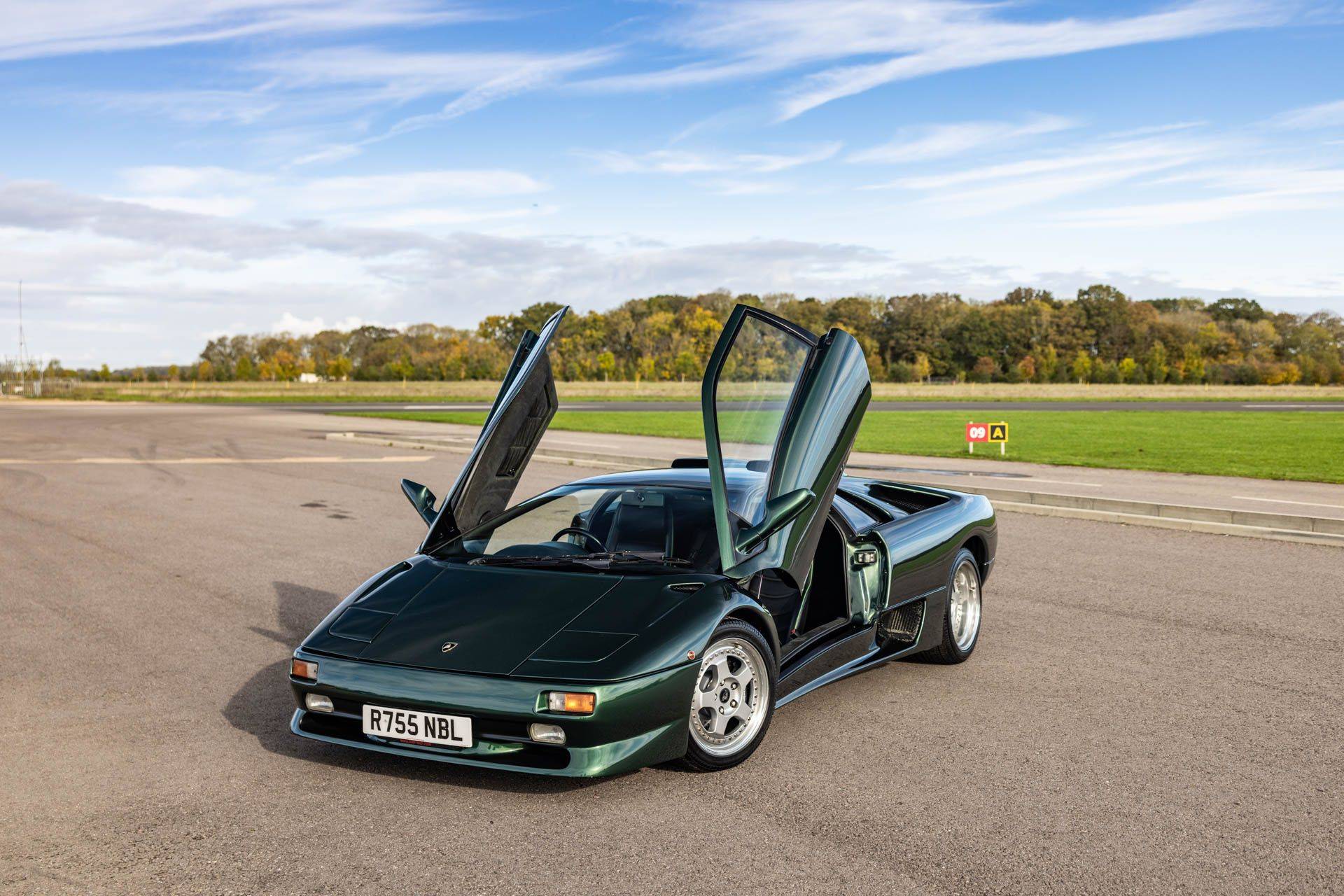
That character, even more than rarity and nostalgia, is a big reason behind the Diablo’s surging values. Everything about it feels mechanical and deliberate. The steering is heavy. The gearshift demands intent. Visibility is hilariously poor. The cabin ergonomics feel as though they were approved after a long lunch involving red wine. And that’s precisely the appeal. That sense of occasion is becoming increasingly valuable. Every journey feels like an event, even if you’re only going for fuel and returning with mild back pain.
Part of the Diablo’s growing appeal is the breadth of its range, with each model appealing in a slightly different way. Purists love the early rear-drive cars. No power steering, no four-wheel drive, and arguably the most intimidating to drive. They’re raw, demanding and deeply analogue. Some collectors now view these as the purest of all the Diablos.
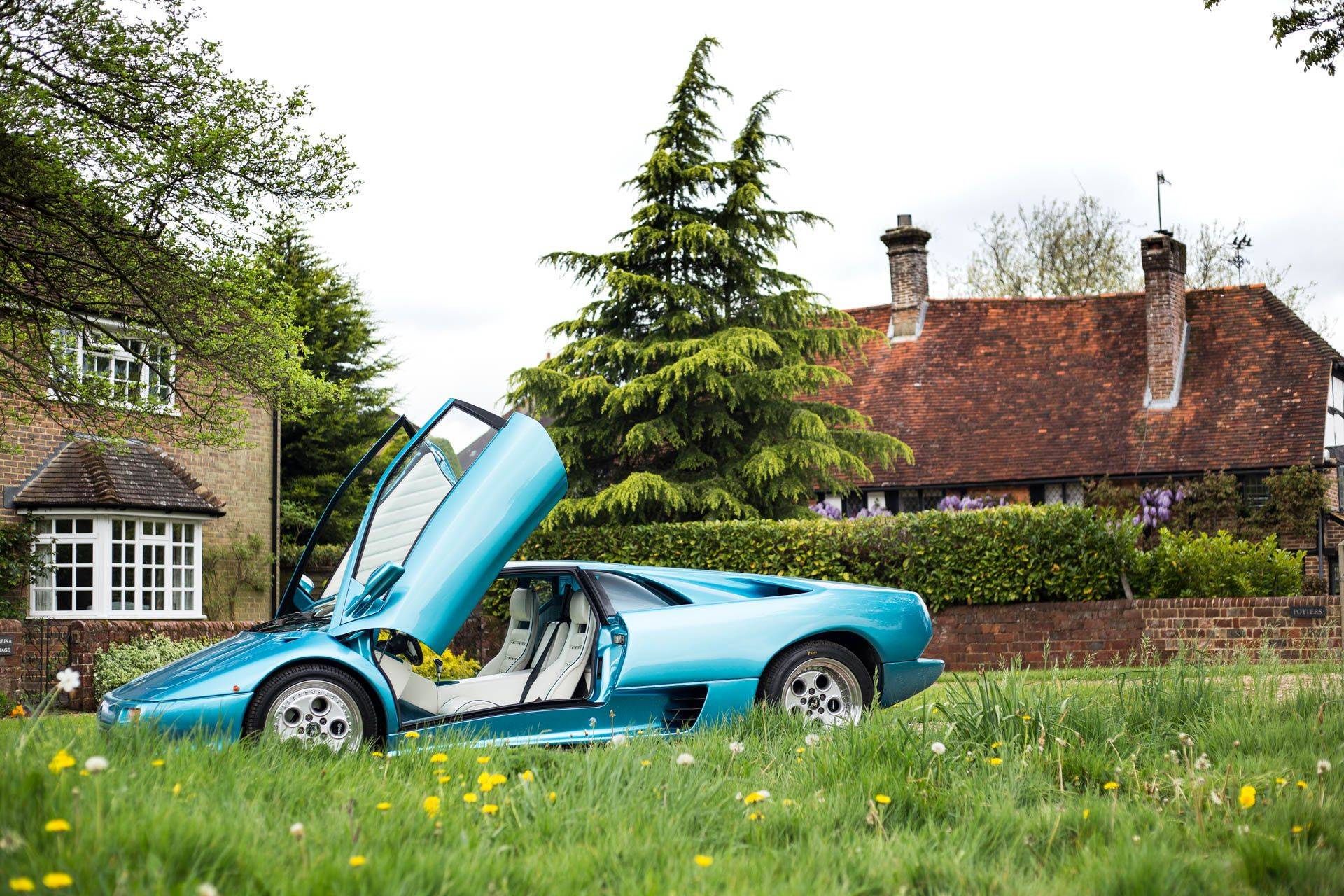
In 1993, the VT changed everything. VT stood for Viscous Traction, making this Lamborghini’s first production all-wheel-drive supercar. The system could send torque to the front wheels when needed, improving traction and making the car significantly friendlier on real roads. Crucially, it made the Diablo more usable without neutering the madness, and set the tone for Lamborghinis over the next 30-plus years.
Then, in 1995, things got serious with the SV — the enthusiast’s favourite. The Super Veloce returned to rear-wheel drive, gained more power and sharpened the handling. The SV is the sweet spot for hardcore drivers — less filtered, lighter and more dramatic. RM Sotheby’s recently offered a 1997 SV with an estimate of £375k–£425k, and The Octane Collection recently had a right-hand-drive car for sale at £550k, while a similar car was once for sale in the early 2010s for just £175k, showing how strong values have become.
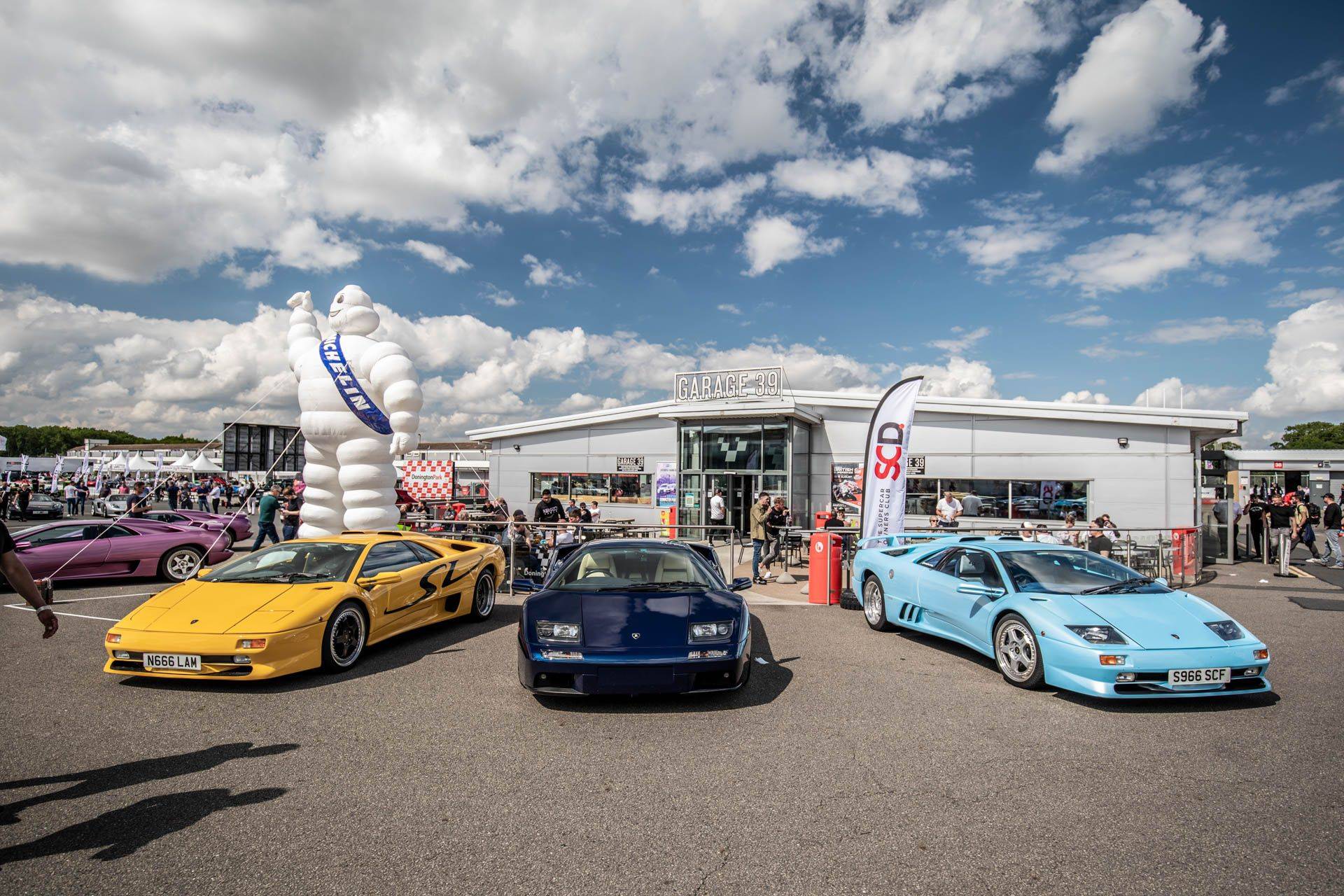
The very same year, Lamborghini launched their first production convertible with the VT Roadster.
This is the car TheCarCrowd chose, and arguably the most charismatic road-going Diablo for actual enjoyment. It wasn’t merely a coupe with the roof chopped off either; it featured a lower windscreen, larger intakes, revised rear bodywork and a removable targa-style roof panel.
Only 466 VT Roadsters were produced. That rarity alone makes it interesting. But the real magic is the experience. Take everything people love about the Diablo — V12 induction noise, mechanical brutality, outrageous presence — and remove the roof, and suddenly, the experience is turned up to 11.
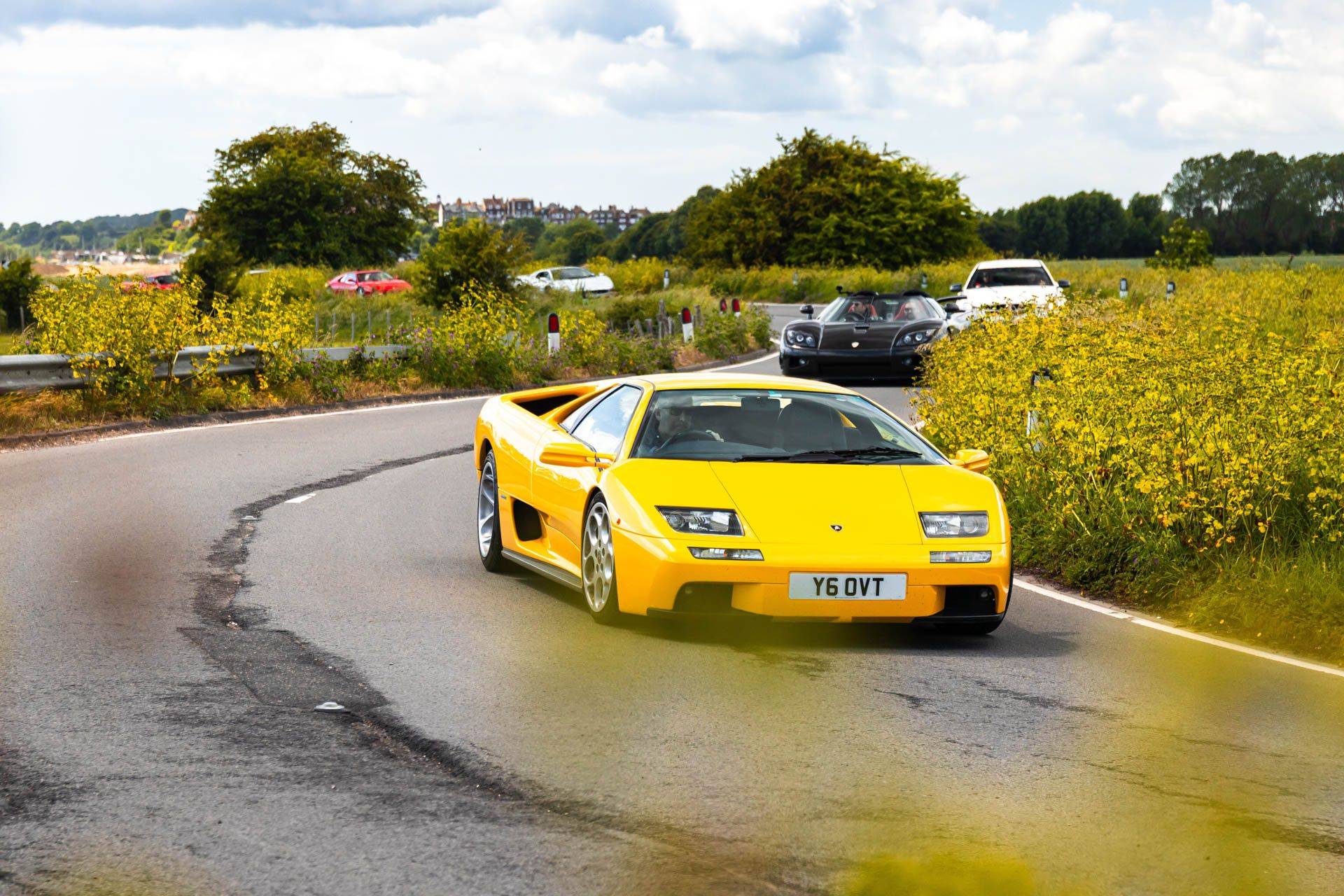
In 2000, the final evolution came. Under Audi ownership, Lamborghini refined the Diablo into its most complete form. The engine grew to 6.0 litres, and power rose to around 550bhp. Build quality improved, the design sharpened, and the car became more cohesive overall, even if the pop-up headlights made way for regular units from a Nissan 300ZX.
Many consider the 6.0 the best Diablo. Others argue it’s almost too polished. That depends on whether you want your Lamborghini terrifying or merely outrageous, but either way, being the last hurrah after over 10 years in production, values are predictably strong, with a 29k-mile VT currently on sale at Tom Hartley for £550k.
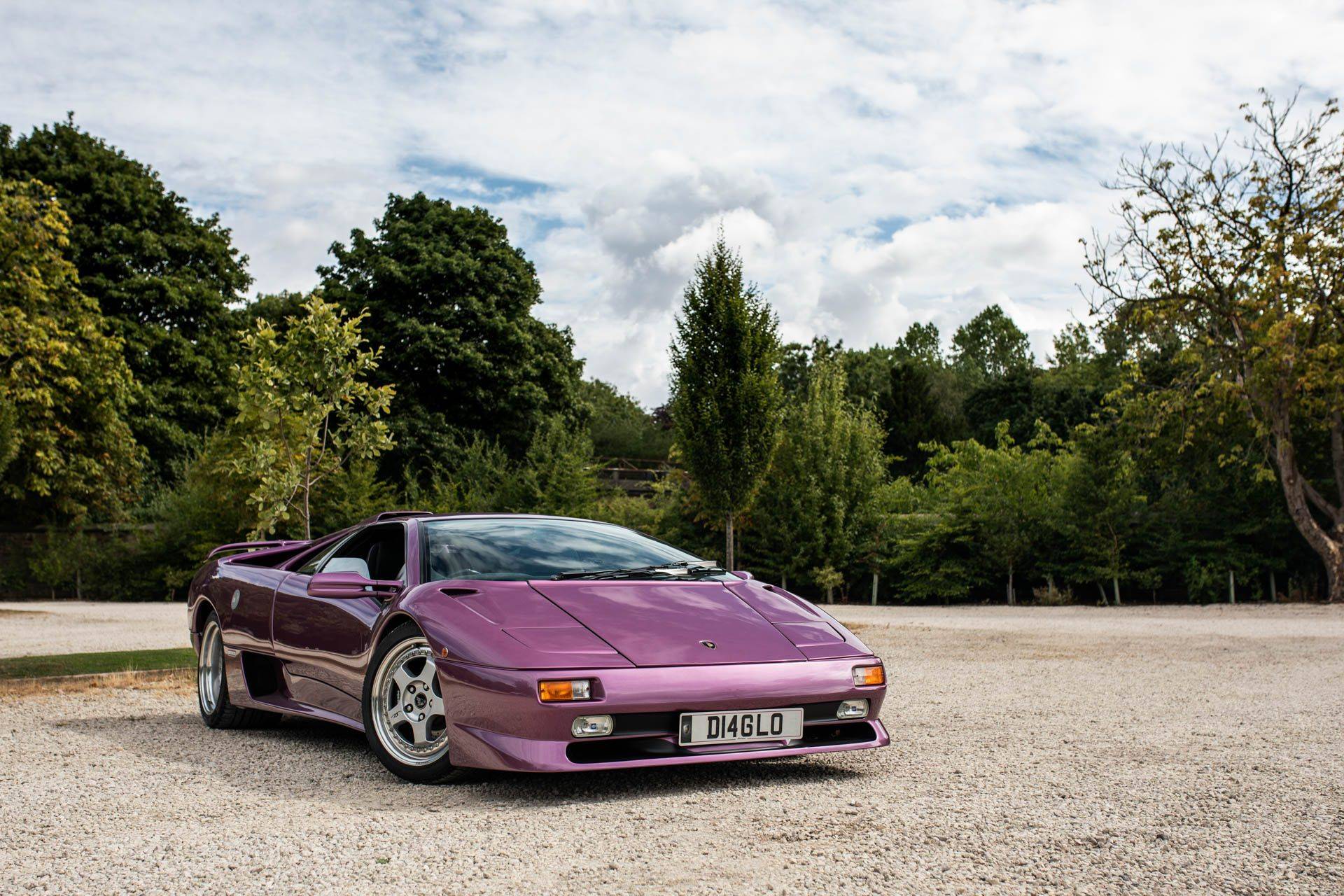
On top of the core models, there were runout specials like the SE30, of which just 150 were produced, and racing variants like the SV-R (34 produced) and GTR (30 produced). Total Diablo production across all variants was just 2,903 cars over 11 years. That’s tiny by modern standards. For context, Lamborghini builds more cars in a single year today than it built Diablos in the entire model run.
Limited supply plus growing global demand is a strong recipe for value growth. A decade ago, many Diablos could still be bought for what now feels like surprisingly modest money. In the mid-2010s, usable early cars sat well under £200k, with strong VT and SV examples around £180k to £250k, and only the most exceptional examples above that. Now, you’re looking at double that, with the strongest cars — low-mileage, original paint, rare colours, exceptional history — moving especially hard.
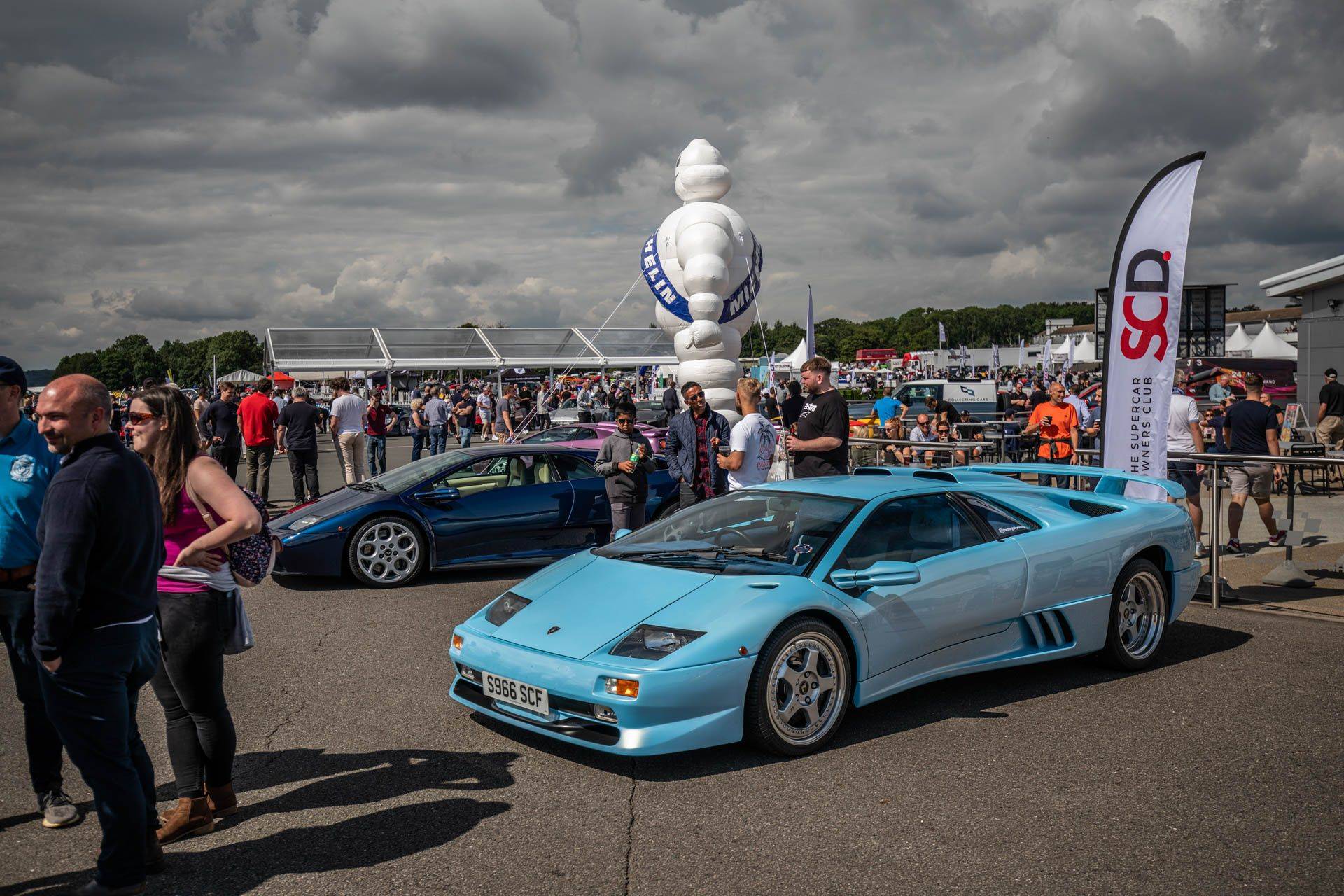
As is the case with so many cars that have exploded in value, the Diablo ticks quite a few boxes. Rarity is of course one of them, but it’s that peak analogue appeal that makes people truly lust after them. The Diablo sits in a sweet spot between classic and modern. It feels raw, but it’s fast and not unusably old. Then there’s what we’ll call generational nostalgia, and this happens on repeat with a different era of cars as the decades go by. Put simply, the kids who grew up idolising Diablos on bedroom walls now have the money to buy them. More buyers but no more cars equals increasing values.