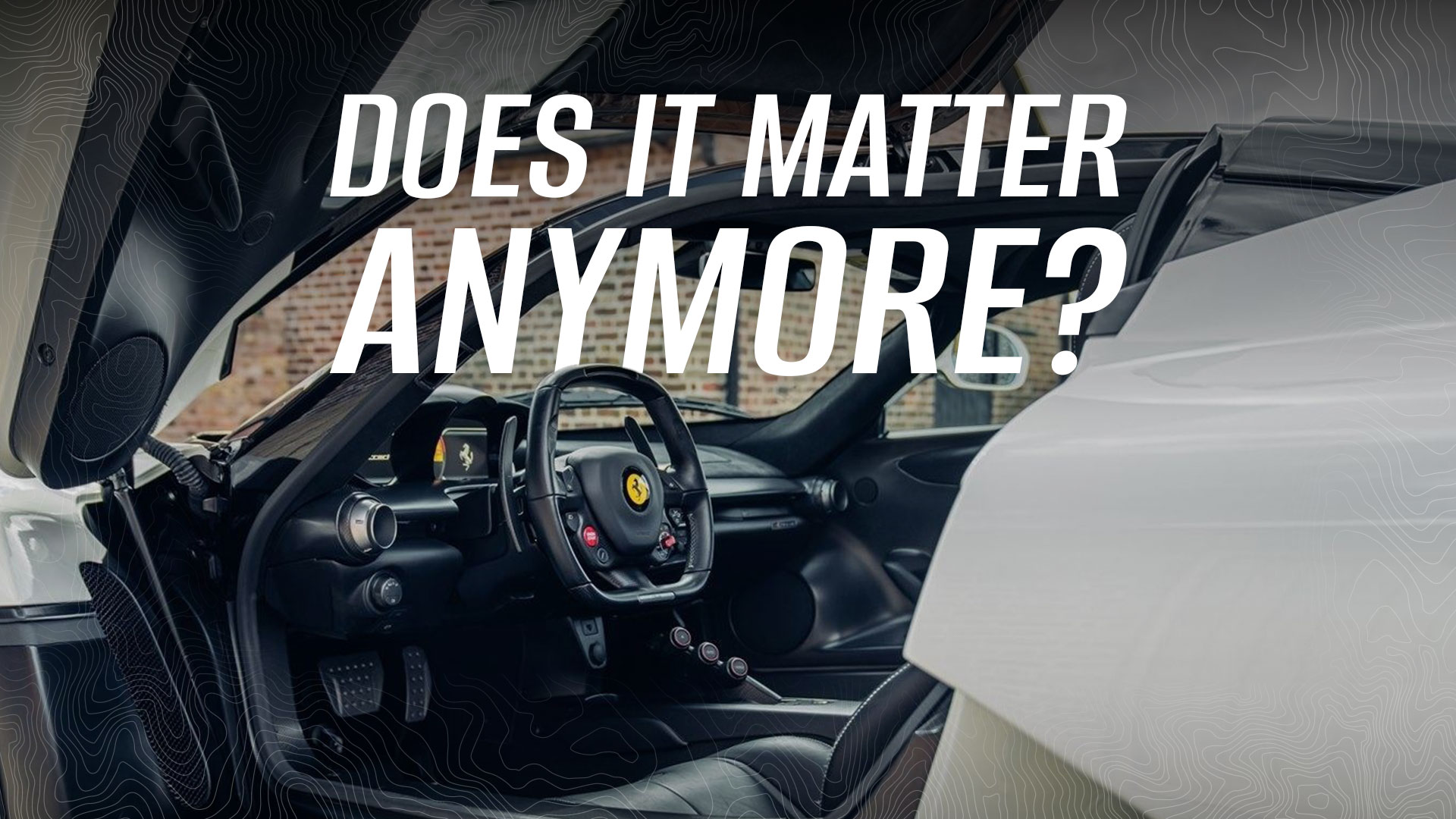
Once upon a time, left-hand drive was the cheap option. Paul explores why that's no longer the case, and why you shouldn't ignore a LHD car.
You’re standing in a showroom. The paint is so shiny you can see your own face, which is annoying, because your face is doing that “I’m about to make a sensible financial decision” expression.
In front of you sits the same car twice. Same colour. Same wheels. Same loud, slightly embarrassing exhaust. Same badge that makes your bank manager develop a twitch. The only difference is where Maranello decided to put the steering wheel.
Ten to fifteen years ago, that difference mattered. A lot. Back then, right-hand drive was the one you wanted. The “proper” UK car. The one you could overtake in without doing yoga. The one you could drive through a McDonald’s without having to unbuckle, climb across the cabin, and apologise to your passenger.
Left-hand drive was the “cheaper one”. The one you bought because you were either:
And in the supercar world, that meant real money. In late 2013, a RHD Ferrari 360 Challenge Stradale would commonly demand around £150k, whereas comparable LHD models were available for around £100k. That’s a 50% premium for the steering wheel being on the “correct” side.
In March 2014, Autotrader had a LHD car listed at £99,995, and a RHD car at £139,888. That’s roughly 40% more for RHD, even before you start arguing about miles, colour, and whether the seats smell faintly of aftershave and regret.
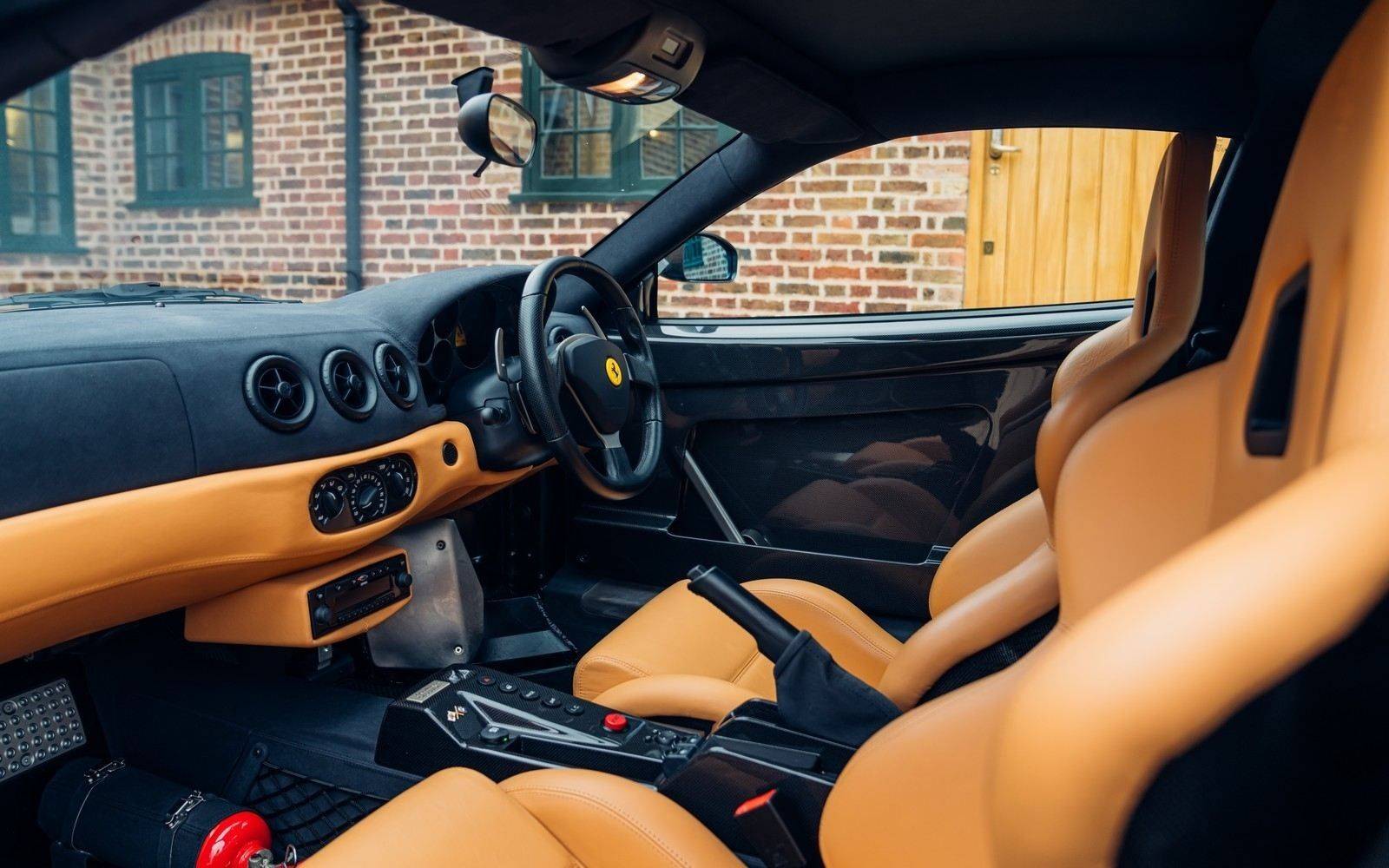
A quick check of your favourite car sales website and you can feel it in the market. Not as a dramatic headline. More like a slow, quiet shift, like your mate who used to love manual gearboxes and now suddenly “doesn’t mind paddles”.
Let’s go back to the same Ferrari 360 Challenge Stradale, because it’s a brilliant case study. It’s special enough for collectors to care, common enough for the market to show patterns, and dramatic enough to make you say “that’s the one” even when your sensible brain is screaming “you have children”.
In July 2024, a UK listing had a LHD Challenge Stradale at £174,500, and the same site had a separate RHD car at £205,000. That’s a RHD premium of about 17.5%, not 40 or 50%. Same basic story, smaller gap. And it’s not just that one Ferrari. I found two Ferrari 430 Scuderias in 2024. £150,000 (LHD) vs £175,000 (RHD). That’s about 16.7%.
Once you notice those percentages, you start seeing the pattern everywhere. Even modern stuff that used to be “obviously RHD in the UK, end of chat” has softened. Look at Lamborghini Huracan Performante listings in the UK. One recent Car & Classic page shows a LHD car at £184,950, while UK RHD examples are sitting around £178,400 to £188,990 depending on year and miles. That’s basically parity. The steering wheel no longer adds a guaranteed wedge of money.

Picture the supercar market as a nightclub. Ten years ago, the UK was the VIP room. RHD was your wristband. LHD was the bloke in trainers trying to talk his way past the rope whilst not making eye contact. Now the bouncer has changed, the guest list is global, and the VIP room is wherever the biggest buyer pool is. And that buyer pool is mostly left-hand drive.
A few reasons keep coming up when you dig through trade chat, owner forums, and how the market actually behaves.
For a long time, many UK buyers treated supercars like a house extension. “It’s in the right place. It suits me. It’s for here”. Now a lot more people treat them like a global asset.
If you’re selling a desirable supercar, the best buyer might be:
Those buyers overwhelmingly want LHD. RHD can be a problem for them, not because they can’t drive it, but because it narrows their next resale. That changes what they’re willing to pay.
Once, the UK was a very convenient place to buy and move cars around, and the pound’s ups and downs created moments where UK stock looked like a bargain overseas. Autocar was talking about this years ago, predicting a time when LHD cars in the UK could end up more expensive than RHD because continental buyers would come shopping here.
You don’t need that prediction to be perfectly right for the direction of travel to matter. The point is that currency shifts, cross-border friction, and where the demand sits can all change which steering wheel is “more valuable”.
Supercars aren’t only weekend toys now. They’re tour cars. Road trip cars. “Let’s do the Alps” cars.
If you’re doing big European mileage, LHD is simply easier for:
A decade ago, you might have bought RHD because you drove it mainly in the UK. Now, plenty of owners want the option to use it properly in Europe, or to sell it to someone who will.
As buyers got more comfortable with LHD — and as more people got used to driving abroad, doing tours, or owning multiple cars — the “fear discount” on LHD reduced. Once the fear discount shrinks, the old RHD premium can’t stay huge.
In some models, RHD is rarer, and rarity used to mean premium. Now, rarity means “harder to sell globally”.
That sounds backwards until you remember what collectors and dealers care about:
In that world, a LHD car can be the “universal fit” version.

So where does that leave you, the person in the showroom, staring at two identical cars and trying to justify the one that makes your life harder at a UK drive-through? It leaves you with a sharper question than “RHD or LHD?”
Ask yourself this instead: Are you buying to keep, or buying to keep your options open?
If you’re keeping it and you’ll drive it mostly in the UK, RHD still makes day-to-day sense. That convenience is real, and it’s worth something.
If you want the widest resale market, or you’ll do a lot of miles in Europe, or you suspect you’ll sell when you get bored and start saying things like “I fancy something different”, LHD starts to look less like a compromise and more like the sensible choice.