Feature
12 of the Best Convertible Supercars on the Market
From great value for money, to the best tour cars and some special rarities, here are some of the best convertibles on the market right now.
September 22, 2026
Join TheCarCrowd Founder David Spickett for a deep dive into investing in cars.
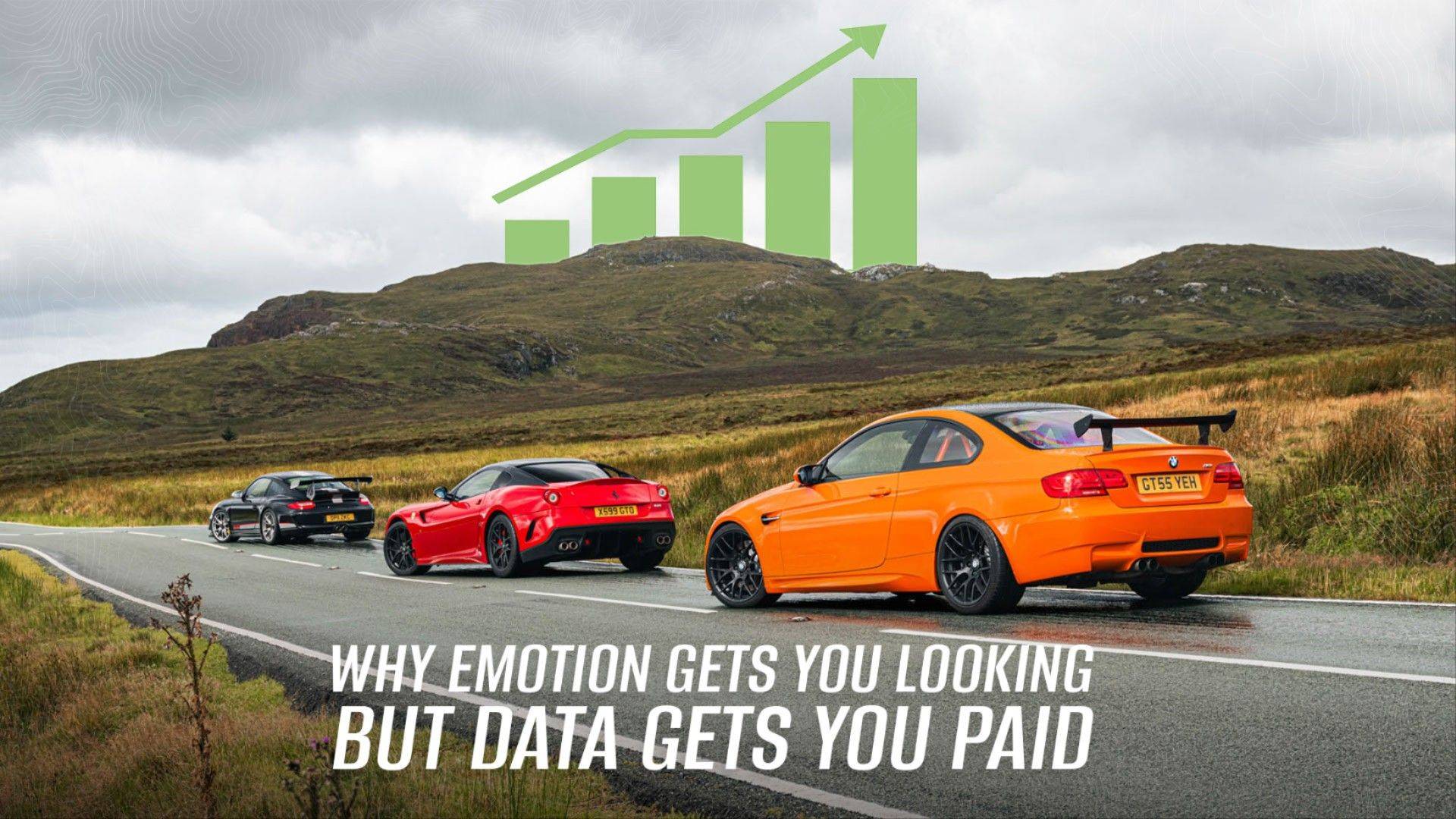
At first glance, investing in cars looks like pure emotion. It’s driven by childhood posters, engine notes that raise the hairs on your arms, and that familiar mid-life moment where something inside you says: “If not now, when?”
But here’s the truth most people miss:
Emotion isn’t the enemy of successful car investing, it’s the starting signal.
The real difference between a great driving decision and a great investment decision is what happens next.
The heart is rarely wrong about direction. When a particular era, model, or brand starts to pull at people emotionally — ‘90s Ferraris, manual Porsches, homologation BMWs — it’s usually because something bigger is happening beneath the surface.
In other words, the classic mid-life crisis car is often a surprisingly accurate indicator of the ballpark where future value sits. Where things go wrong is assuming that all cars in that ballpark perform the same. That’s where the head, and the data, have to take over.
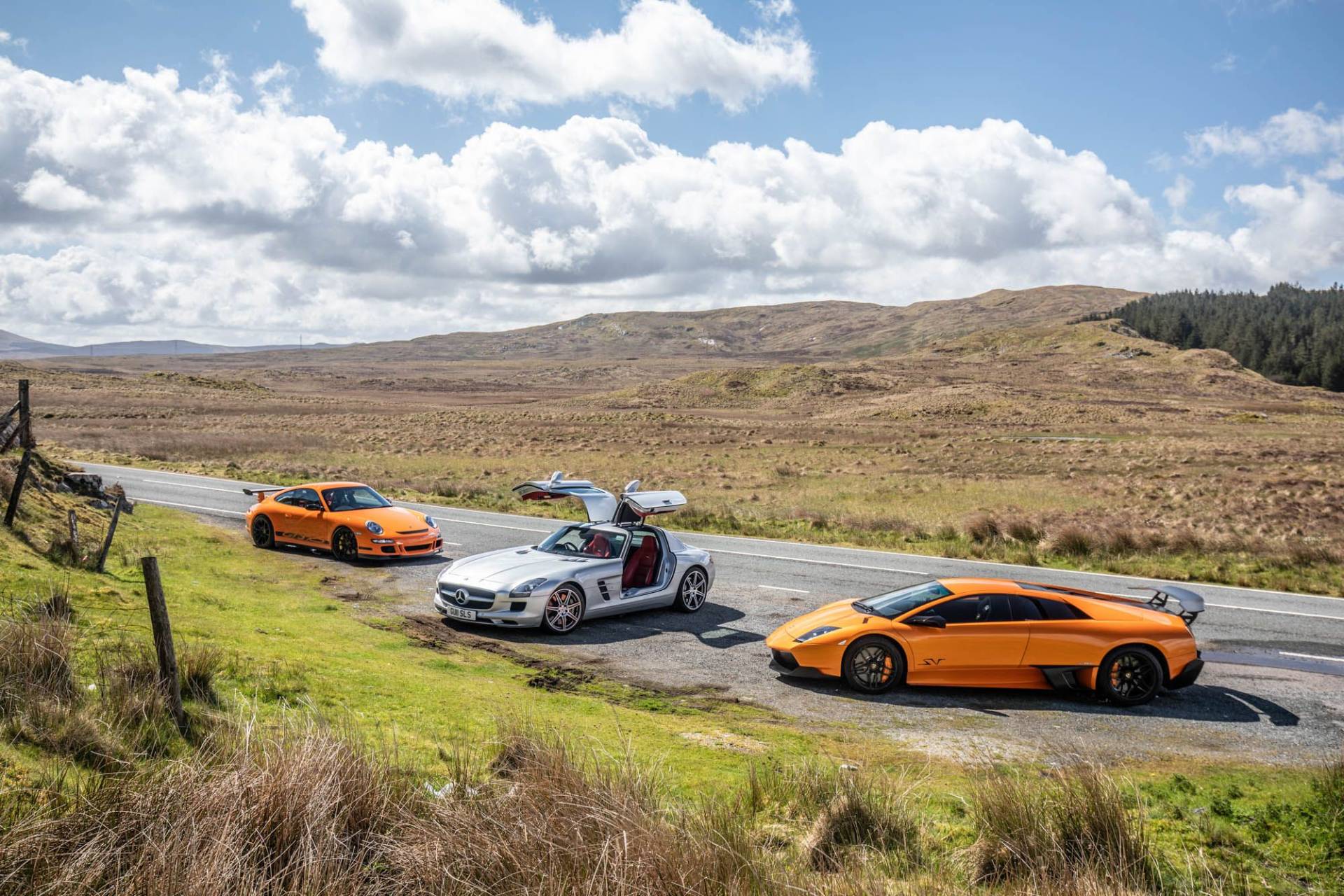
Two people can buy the “same” car and experience wildly different outcomes. One quietly doubles their money. The other wonders why theirs hasn’t moved in years.
The difference is rarely luck. It’s usually found in the details:
To the untrained eye, these differences feel marginal. To the market, they’re everything.
Picking the Right Car Isn’t Enough. Even when the model, era, and spec are right, one crucial question still remains, when is the right time to buy?
Markets don’t move in straight lines. Supply ebbs and flows. Sentiment changes quietly before prices do. And the best buying opportunities often appear when nothing looks like it’s happening.
This is where data becomes a real edge.
At TheCarCrowd, cars are monitored week to week, not just annually or at headline auction moments. That includes:
One particularly powerful signal is SORN movement.
When the number of SORN cars for a specific make or model is increasing month-on-month, it often means one thing: collectors are holding on.
Cars are being squirrelled away into long-term ownership, supply is quietly shrinking, and liquidity tightens. Historically, that contraction in available cars precedes upward pressure on prices, sometimes by months, sometimes by years. It’s not about guessing. It’s about recognising when behaviour changes before values do.
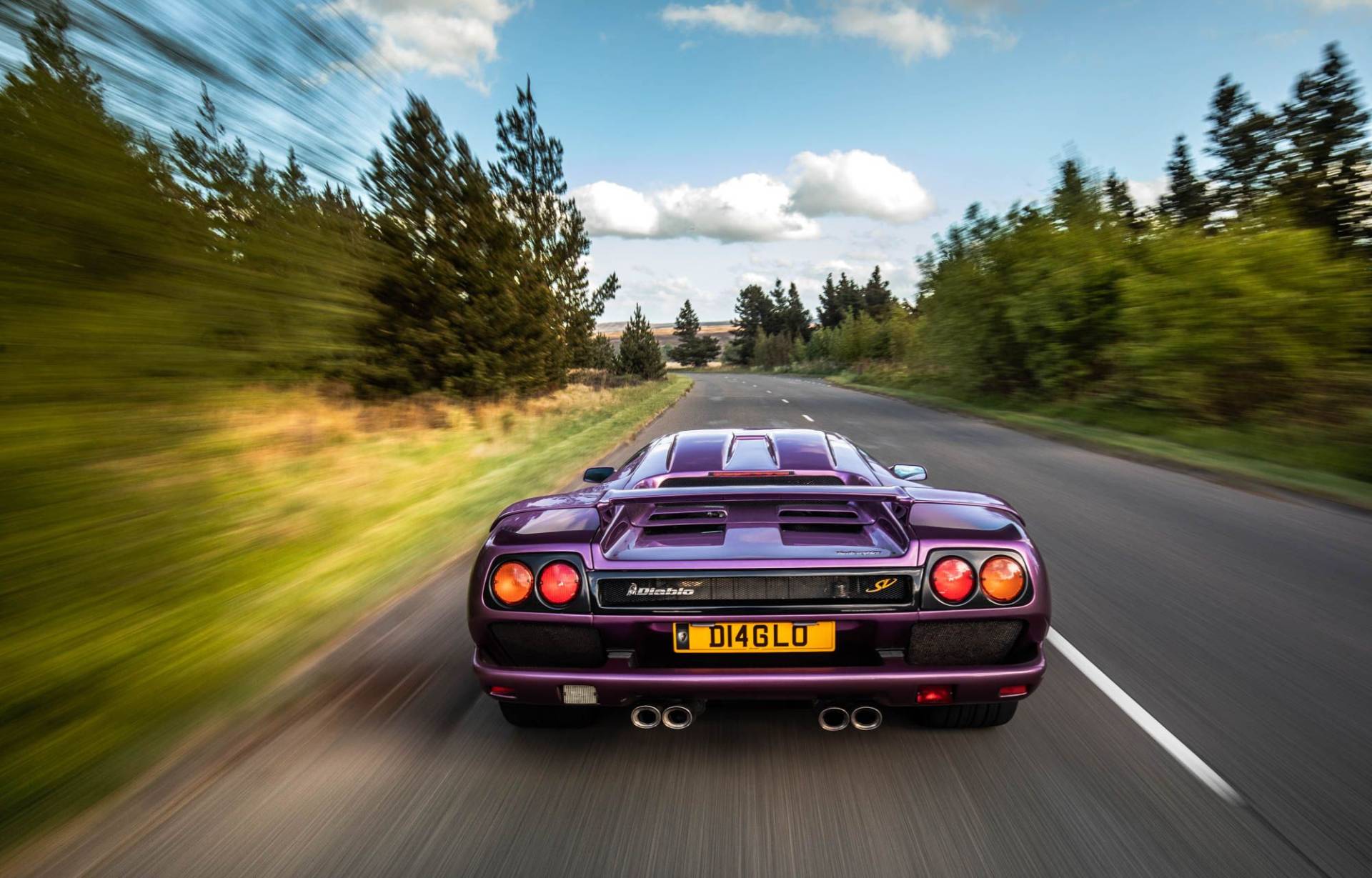
Great car investing isn’t about predicting the future but it is about pattern recognition.
Over time, certain signals repeat themselves again and again:
When you layer auction results, private transactions, production data, global demand and live supply indicators, the noise starts to disappear.
What you’re left with isn’t hype, it’s probability.
And probability is where investing becomes science, not storytelling.
The irony of collectible car investing is that emotion plays its biggest role at the entry, while discipline defines the exit.
Most value is lost by:
The most successful investors understand that selling a great car at the right time doesn’t diminish it, it completes the story.
The philosophy is simple:
By combining enthusiast instinct with disciplined, repeatable analysis, TheCarCrowd opens access to a market that has quietly stored wealth for decades, without requiring investors to own, store, insure, or manage cars themselves.
It’s not about chasing unicorns. It’s about stacking small advantages, repeatedly, in an asset class hiding in plain sight.
If you love cars, trust that instinct. It’s probably telling you something real. Just don’t stop there.
The heart gets you into the right room. The head makes sure you buy the right car, at the right time.
And when those two finally work together, collectable cars stop being a guilty pleasure and start behaving like what they really are, a serious, data-driven asset class.
Written by: David Spickett, Founder, TheCarCrowd