Feature
How Much Difference Do Lightweight Wheels Really Make?
A lighter wheel isn't just a lighter wheel. It is unsprung mass. It is rotating mass. But how much difference does that make?
October 10, 2026
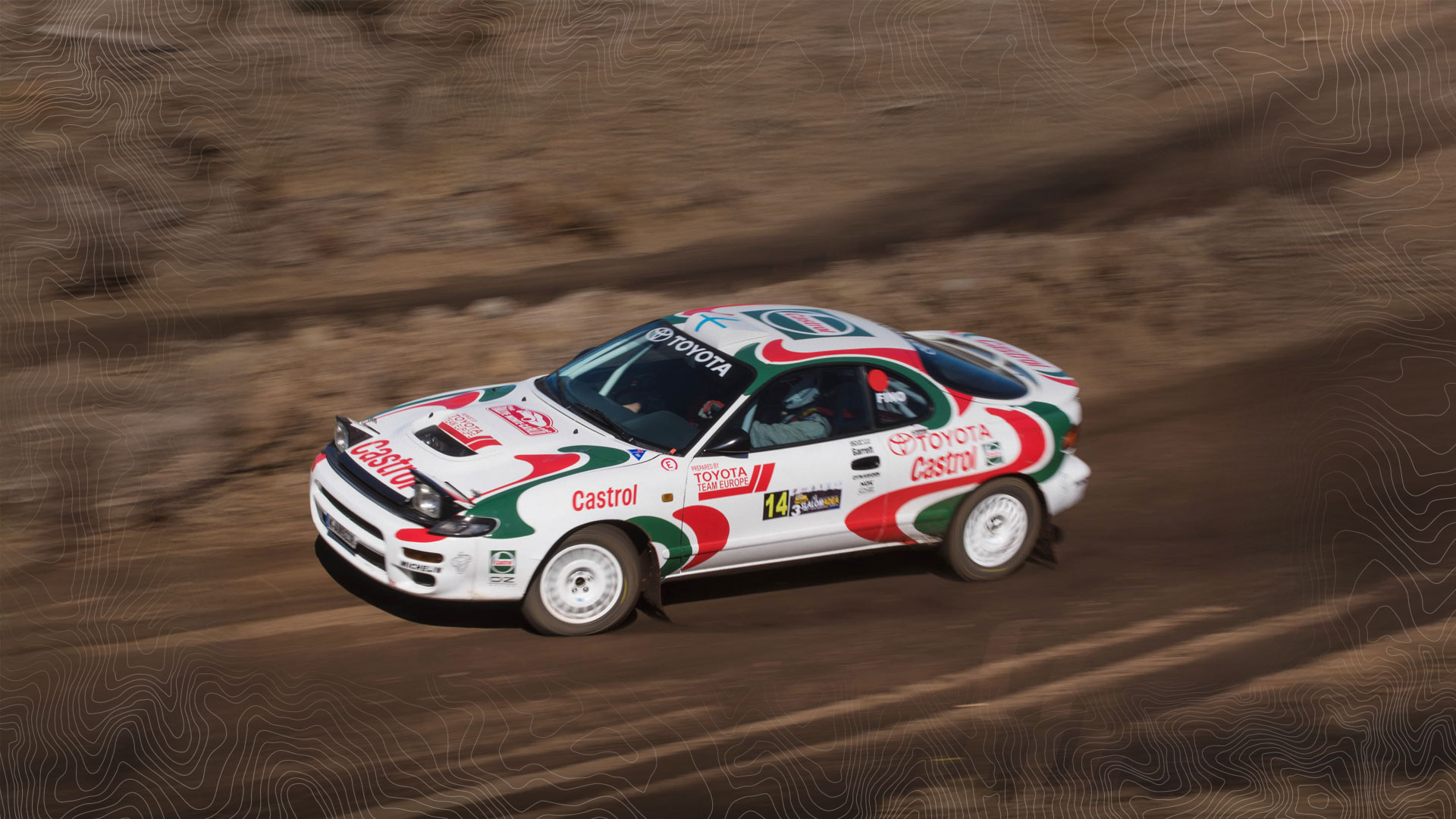
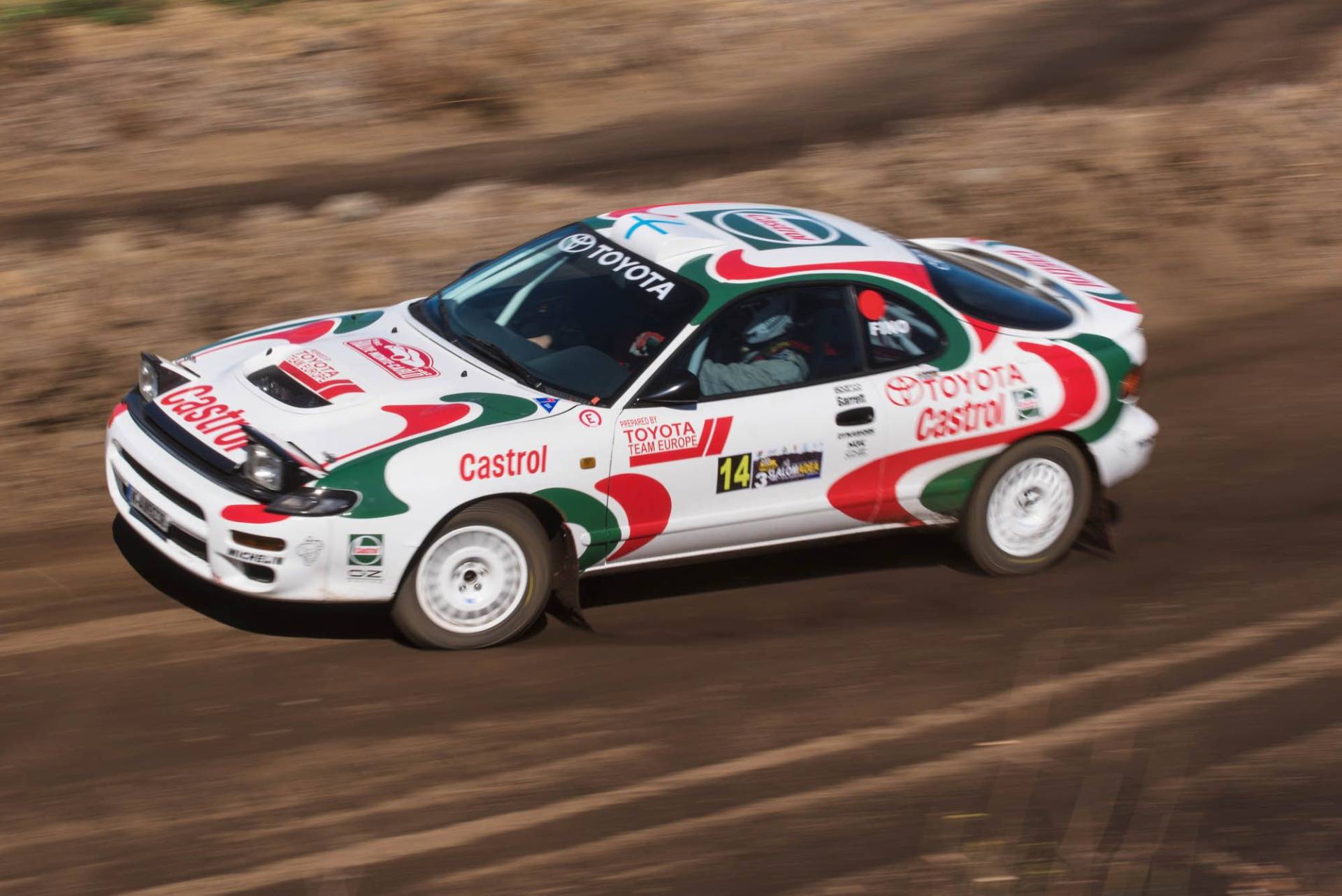
Toyota’s WRC ban is one of motorsport’s most infamous scandals. But the genius behind the cheat is every bit as fascinating as the punishment.
There are moments in motorsport where brilliance and desperation meet, shake hands, and quietly agree to cross a line.
The mid-1990s World Rally Championship was one of those moments.
It was loud, raw, mechanical theatre. Flames licking from exhausts in the darkness, gravel spraying into the forests like shrapnel, cars that looked faintly familiar yet behaved like something altogether more feral. And in the middle of it all sat Toyota. Not just present, but dominant. Calculated. Cold when it needed to be.
By the early 1990s, Toyota Team Europe had built something formidable. The Celica GT-Four was not a lucky car. It was engineered with intent, refined through thousands of test kilometres, and driven by men who understood how to extract everything from it. Carlos Sainz had delivered a title. Juha Kankkunen had added another. Didier Auriol followed. Three world champions, all in Toyota machinery, all reinforcing the same message.
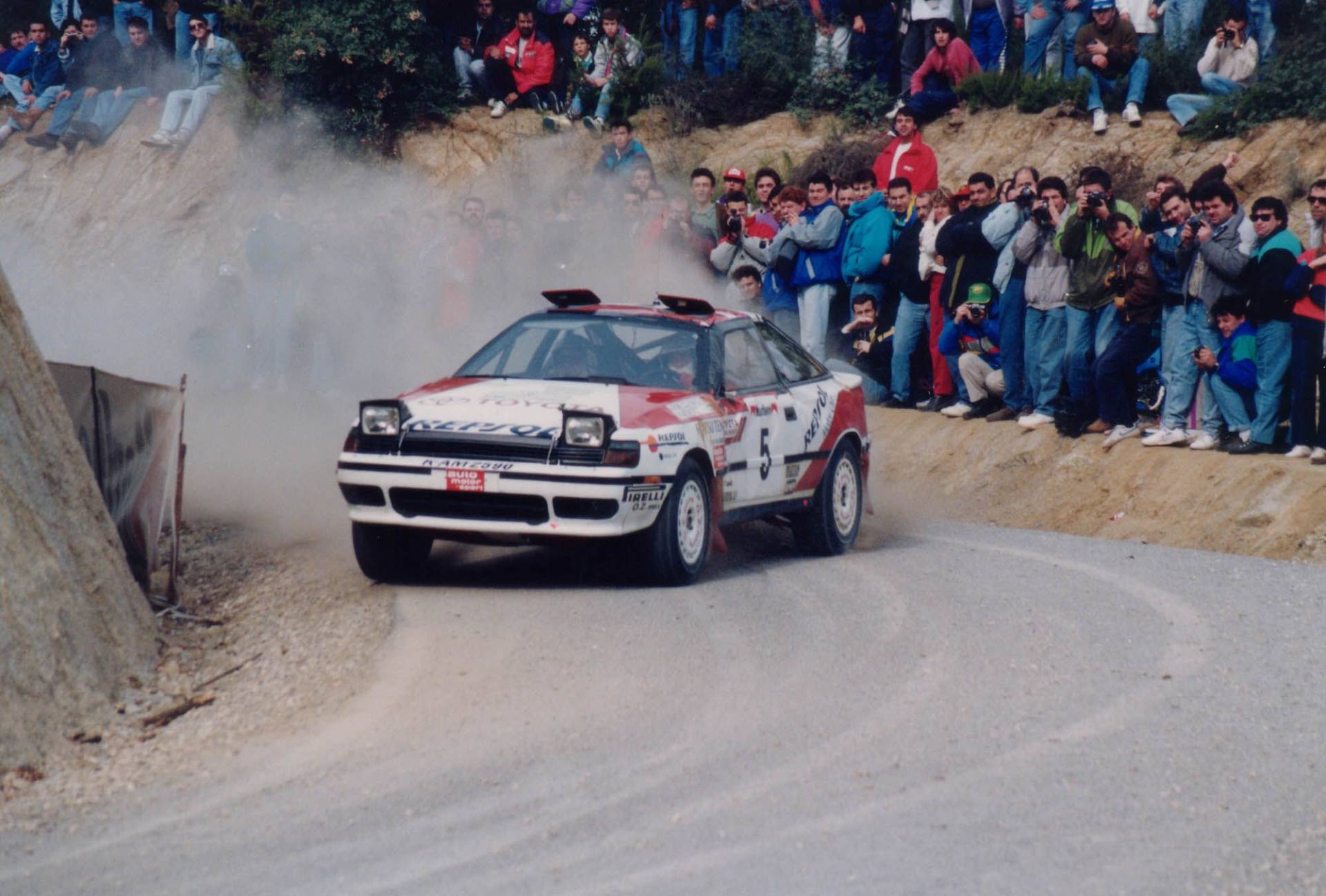
This was the team to beat. But motorsport never stands still. By 1995, the landscape had shifted. Subaru arrived with the Impreza. It was shorter, lighter, more agile. Where the Celica felt planted and stable, the Subaru felt alive, darting into corners with a kind of urgency that made time disappear. Mitsubishi were closing in too, their Lancer Evolution sharpening with every rally.
Toyota suddenly found themselves carrying something they hadn’t felt in a long time — weight. Not just physical weight, though there was that too. The Celica was larger than its rivals. It had more metal, more structure, more mass to move from one direction to another. But there was also the weight of expectation. The weight of defending titles. The weight of knowing that if they stood still for even a moment, they would be overtaken.
And then there was the restrictor. To understand what Toyota did next, you need to understand that small, deceptively simple piece of metal. At the heart of every turbocharged rally car engine sits a turbocharger. Imagine a small turbine spinning at incredible speed, driven by the engine’s exhaust gases. As it spins, it compresses incoming air and forces it into the engine. More air means more oxygen. More oxygen means you can burn more fuel. More fuel means more power.
Left unchecked, a turbocharged engine can produce extraordinary amounts of power. That’s why the FIA stepped in. To keep things under control, they introduced a rule. Every car had to run a turbo restrictor. A simple metal plate with a precisely sized hole in the middle, fitted just before the turbo.
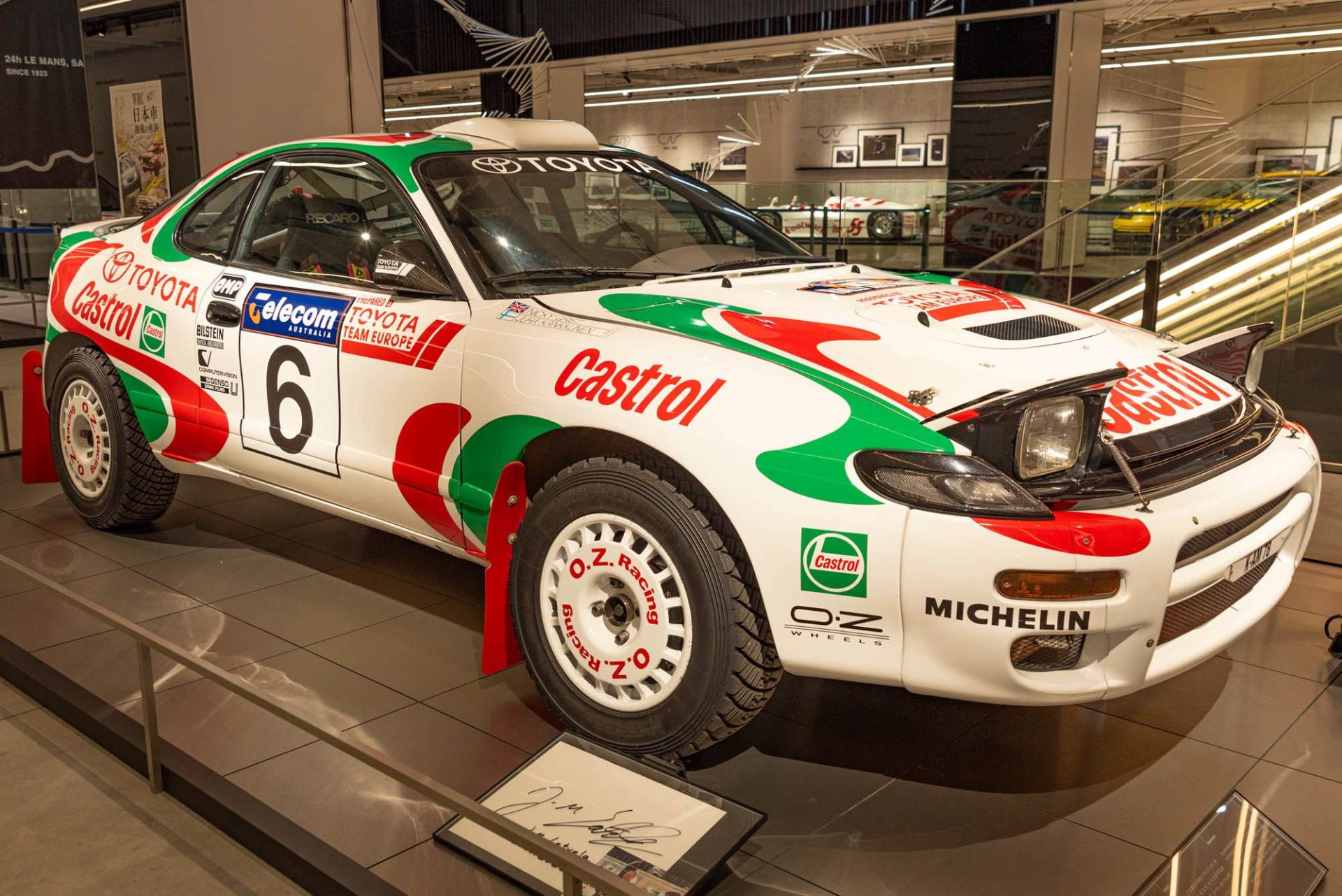
In 1995, that hole was 34 millimetres in diameter. It doesn’t sound like much. Thirty-four millimetres is barely wider than a £2 coin. But that tiny opening governed everything. Air had to pass through it before reaching the turbo. And here’s where things become interesting.
As air is forced through a small opening, it accelerates. Push enough air through a 34mm restrictor, and eventually it reaches the speed of sound. Mach 1. At that point, something fundamental happens. The airflow becomes “choked”. No matter how much more pressure you apply, no matter how hard the turbo tries to suck in more air, it simply cannot flow any faster through that opening.
It’s like trying to push more water through a fixed-size pipe that’s already at full capacity. You can increase the pressure all you like, but the flow rate won’t increase beyond that limit. That is what the FIA wanted. A hard cap on airflow. And because power is directly linked to how much air and fuel an engine can consume, it created a hard cap on power too.
For most teams, that meant working around the restriction. Improving efficiency. Better combustion. Smoother airflow. Tiny gains that added up. Toyota looked at it differently. They asked a different question. What if the restrictor didn’t quite restrict everything? Not by removing it. That would be obvious. Not by enlarging it. That would be illegal the moment someone measured it. But by allowing just a little bit of air to sneak past it. Not through the hole. Around it.
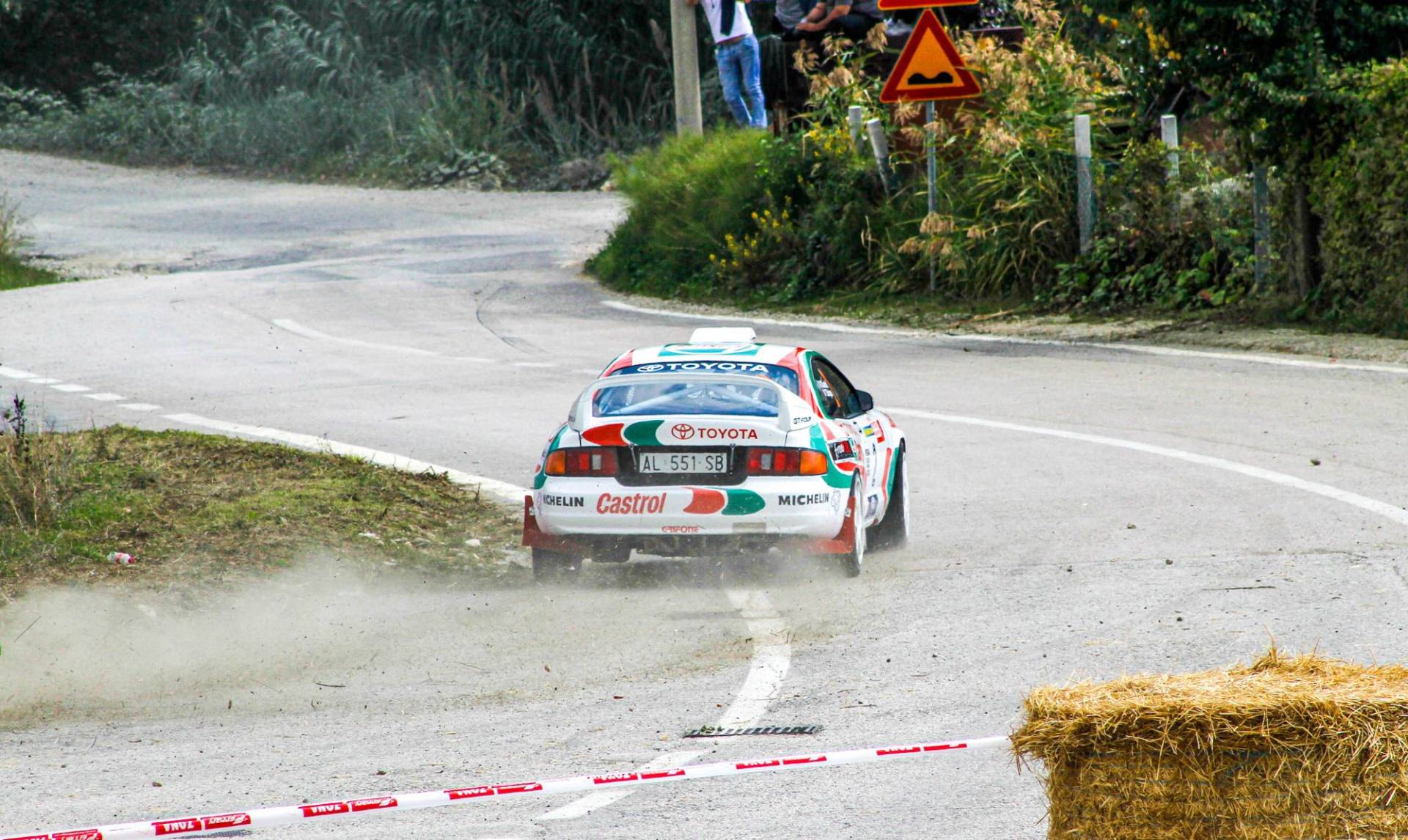
The device they created was, in essence, a perfectly legal restrictor mounted in a very carefully designed housing. To anyone inspecting it, everything looked correct. The diameter was right. The placement was right. The materials were right. But hidden within that assembly was a mechanism that allowed the restrictor to move ever so slightly under pressure.
To picture it, imagine the restrictor sitting inside a short tube, like a washer inside a pipe. In a normal setup, that washer is fixed firmly in place. Air flows only through the hole in the middle. Toyota’s design mounted that washer on a set of spring-loaded supports. Tiny, precisely engineered springs that held it tightly in position when the engine was off or running gently. But when the turbo began to work hard, when pressure built and airflow increased, those springs would compress.
Not by much. A millimetre or two at most. But that was enough. Because as the restrictor shifted away from its seat, it created a narrow gap around its outer edge. A ring-shaped opening, hidden from view, that allowed additional air to bypass the central hole. So instead of all the air being forced through a 34mm opening, some of it was slipping past the edges. That changed everything.
Because now, the airflow was no longer fully constrained by the Mach 1 limit at the centre hole. The bypass air wasn’t subject to the same choke point. It could continue to increase with pressure. In simple terms, Toyota had quietly increased the effective size of the restrictor without ever altering the restrictor itself.
The result was a significant increase in airflow. And with more airflow came more power. Where a typical Group A rally car of the era might produce around 300 brake horsepower, Toyota’s system is believed to have delivered an extra 40 to 50 bhp under certain conditions.
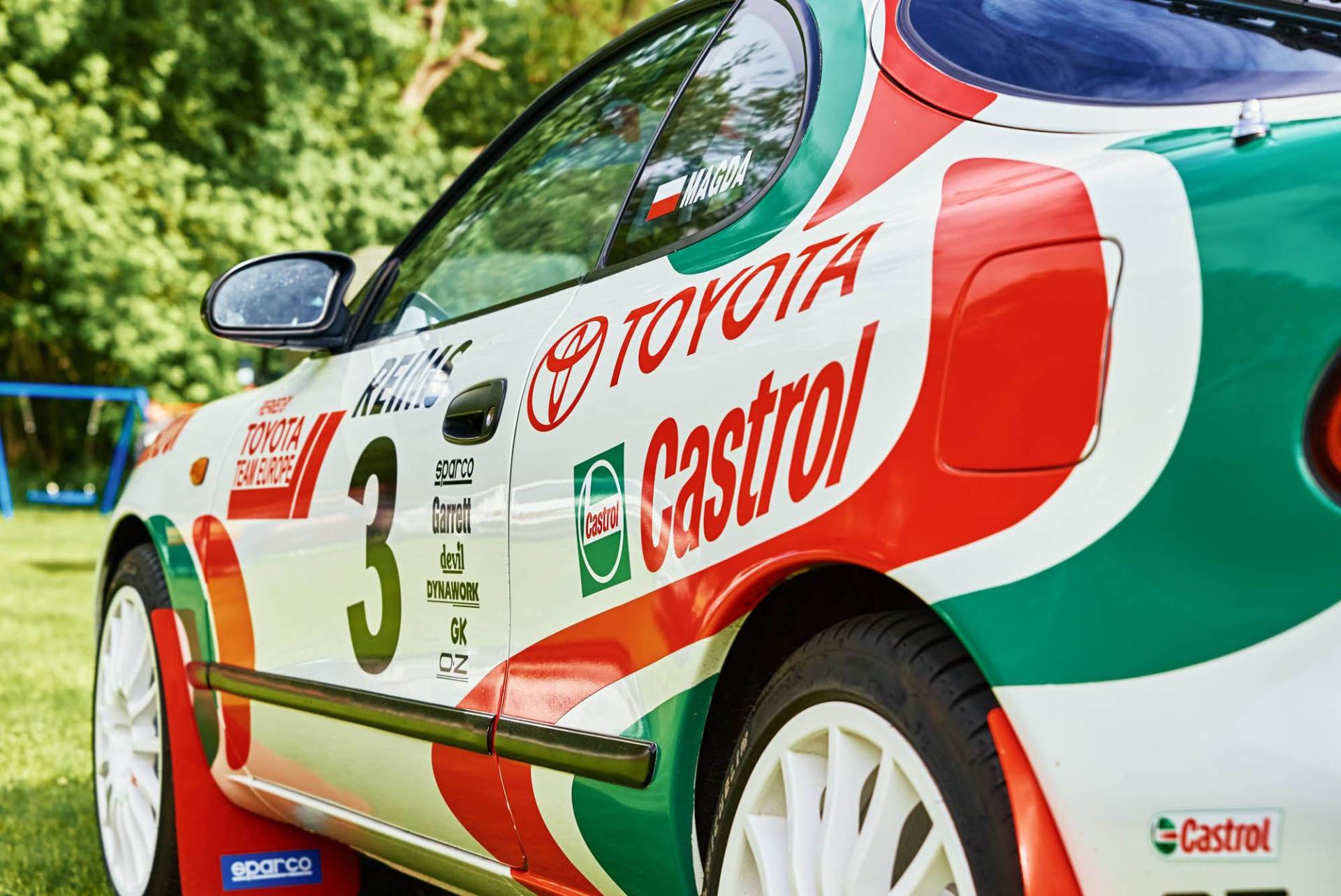
In rallying, that is enormous. It’s the difference between accelerating out of a corner half a car length ahead, then a full car length, then disappearing entirely. And yet, the real genius wasn’t just the extra power. It was how the system hid itself.
When the engine stopped, the springs pushed the restrictor back into its original position. Perfectly seated. Perfectly legal. If a scrutineer removed it and measured it, everything checked out. The diameter was still 34mm. The surfaces were clean. There were no obvious modifications. Even the housing looked innocent unless you knew exactly where to look. It was a cheat that existed only when the car was under load. Only when it mattered. And for a while, it worked beautifully.
Toyota didn’t suddenly dominate every stage. They were too clever for that. Instead, they used the advantage selectively. Enough to stay competitive. Enough to offset the Celica’s size and weight. Enough to keep themselves in the fight without drawing too much attention. But in a paddock full of engineers, nothing stays hidden forever.
Rival teams began to notice small inconsistencies. Acceleration that didn’t quite match expectations. Top-end speed that felt just a touch too strong. Nothing conclusive. Just enough to plant doubt. And doubt is a dangerous thing in motorsport.
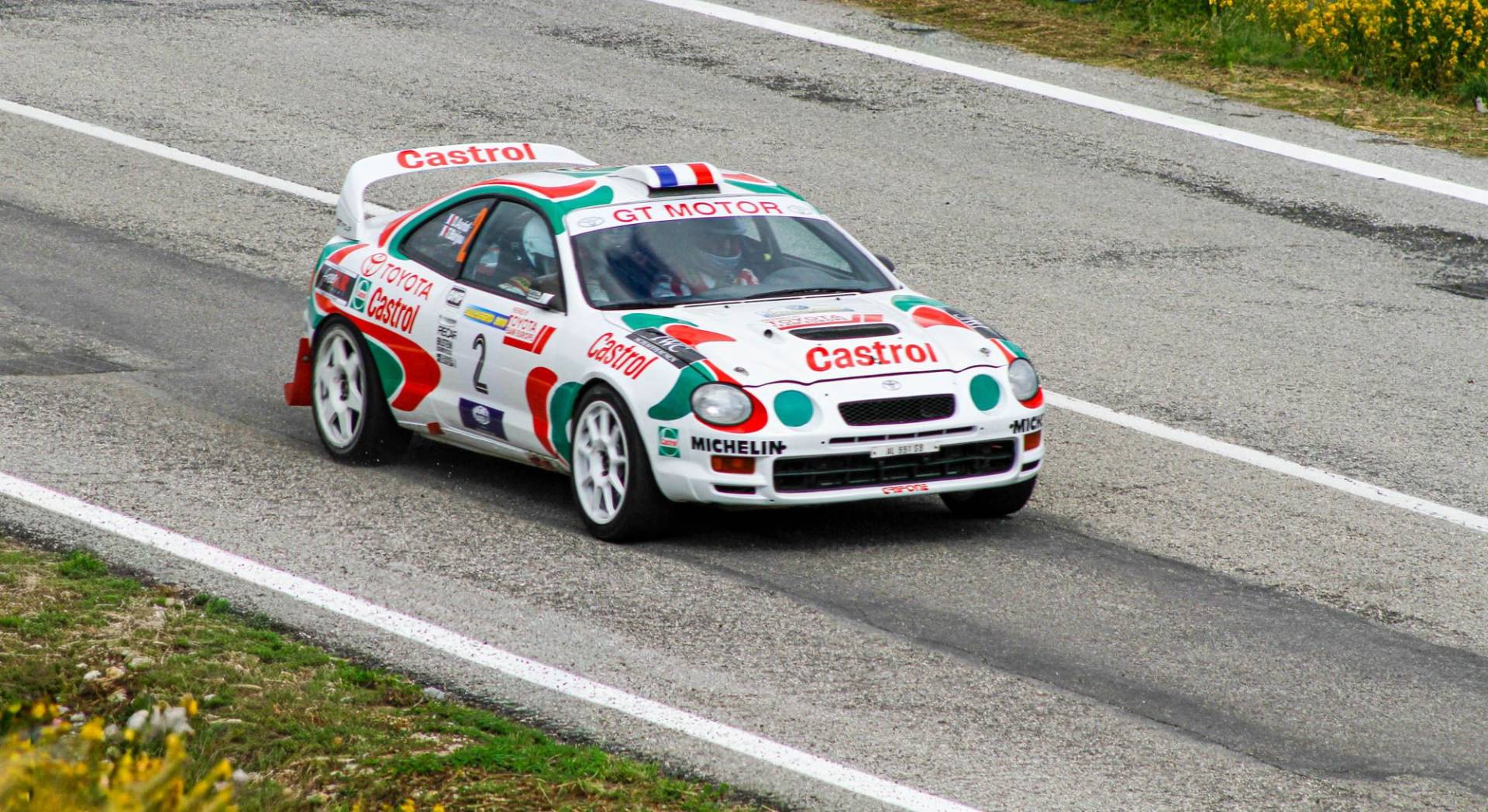
The FIA began to look more closely. Inspections became more detailed. Components were examined with increasing scrutiny. Still, nothing obvious appeared. Because the device wasn’t obvious. It wasn’t crude. It wasn’t visible in the way most illegal modifications are. It was subtle. Elegant. Almost invisible.
Until, eventually, someone decided to question not just what they were looking at, but how it behaved. Instead of treating the restrictor as a static object, they examined its mounting. Its movement. The possibility that it might not be as fixed as it appeared. And then they found it.
Hidden within the assembly, the spring-loaded mechanism revealed itself. The tiny tolerances. The deliberate engineering. The understanding of airflow and pressure that had gone into its creation. It was one of those rare moments where the people enforcing the rules had to pause, not just because something illegal had been discovered, but because of how brilliantly it had been executed.
Max Mosley would later call it the most sophisticated cheating device he had ever seen. And he meant it. Because this wasn’t just breaking a rule. This was understanding the rule so deeply that you could bend it without it breaking.
The consequences were immediate and severe. Toyota were excluded from the 1995 championship. Results stripped. Points erased. And then came the real blow. A full ban from the 1996 season. An entire year out of the World Rally Championship.
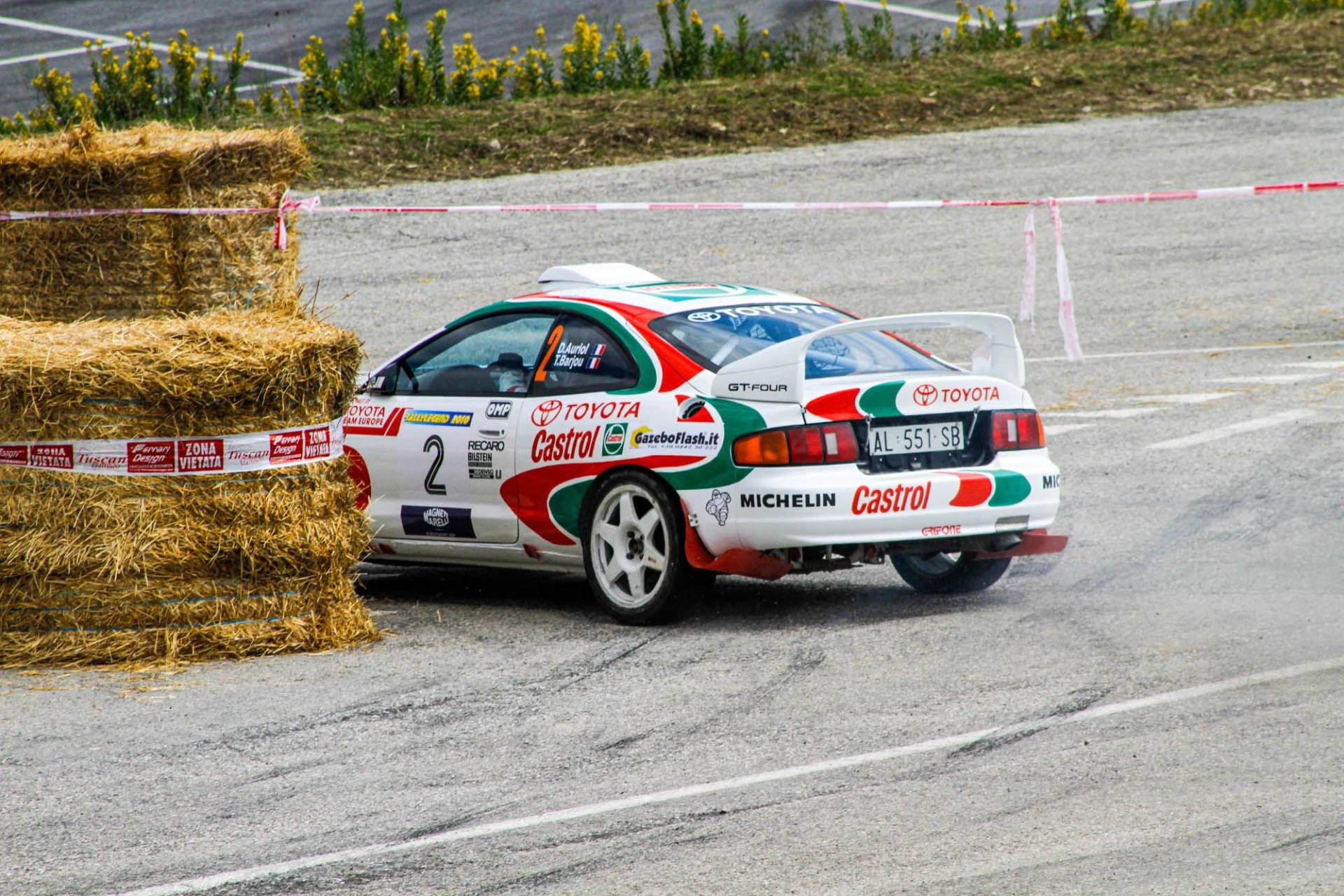
For a team at the peak of its powers, it was devastating. The Celica, once a symbol of dominance, became something else entirely. A reminder of how fine the margins are between innovation and illegality. And yet, even now, the story refuses to sit comfortably as a simple tale of wrongdoing. Because there is something undeniably fascinating about it.
The understanding of airflow, of pressure, of how a 34mm hole becomes a barrier at the speed of sound. The recognition that if you can find another path, even a tiny one, you can unlock power that shouldn’t exist.
It speaks to the mindset of engineers who refuse to accept limits as final. Who see rules not just as boundaries, but as puzzles. Toyota solved that puzzle. For a while, they got away with it. But motorsport has a way of catching up with you. Someone always looks closer. Someone always asks the next question. And when they did, when they finally saw past the simplicity of a metal ring with a hole in it, the entire illusion collapsed.
What remained was a story that still lingers decades later. Not just because of what Toyota did. But because of how they did it. A millimetre of movement. A whisper of extra air. A small gap that changed everything.