Feature
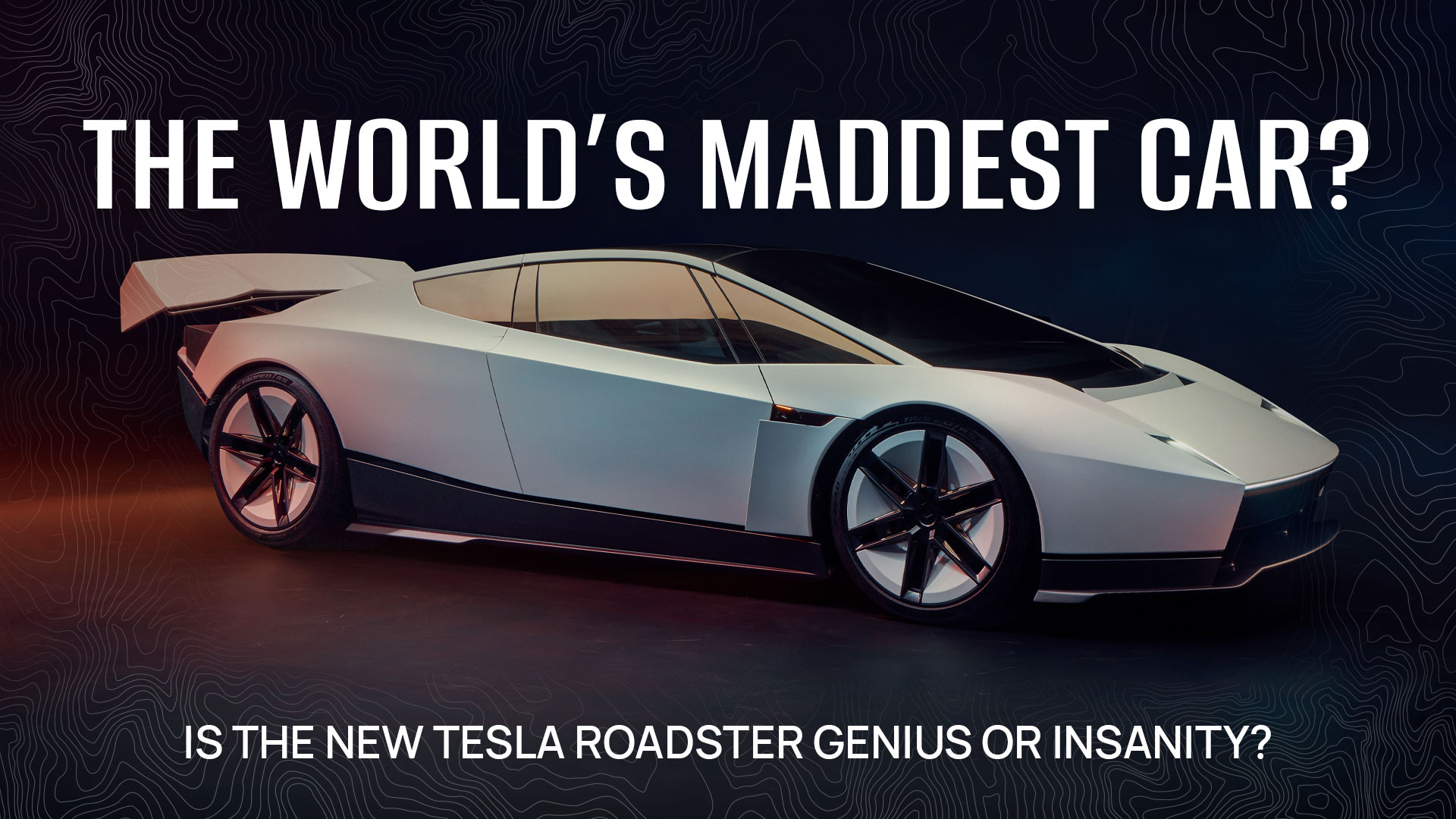
The New Tesla Roadster — Genius or Insanity?
The Tesla Roadster: Or how Elon Musk spent nine years inventing a car that can do a backflip, drive on the ceiling and make absolutely no sense whatsoever.
October 19, 2026
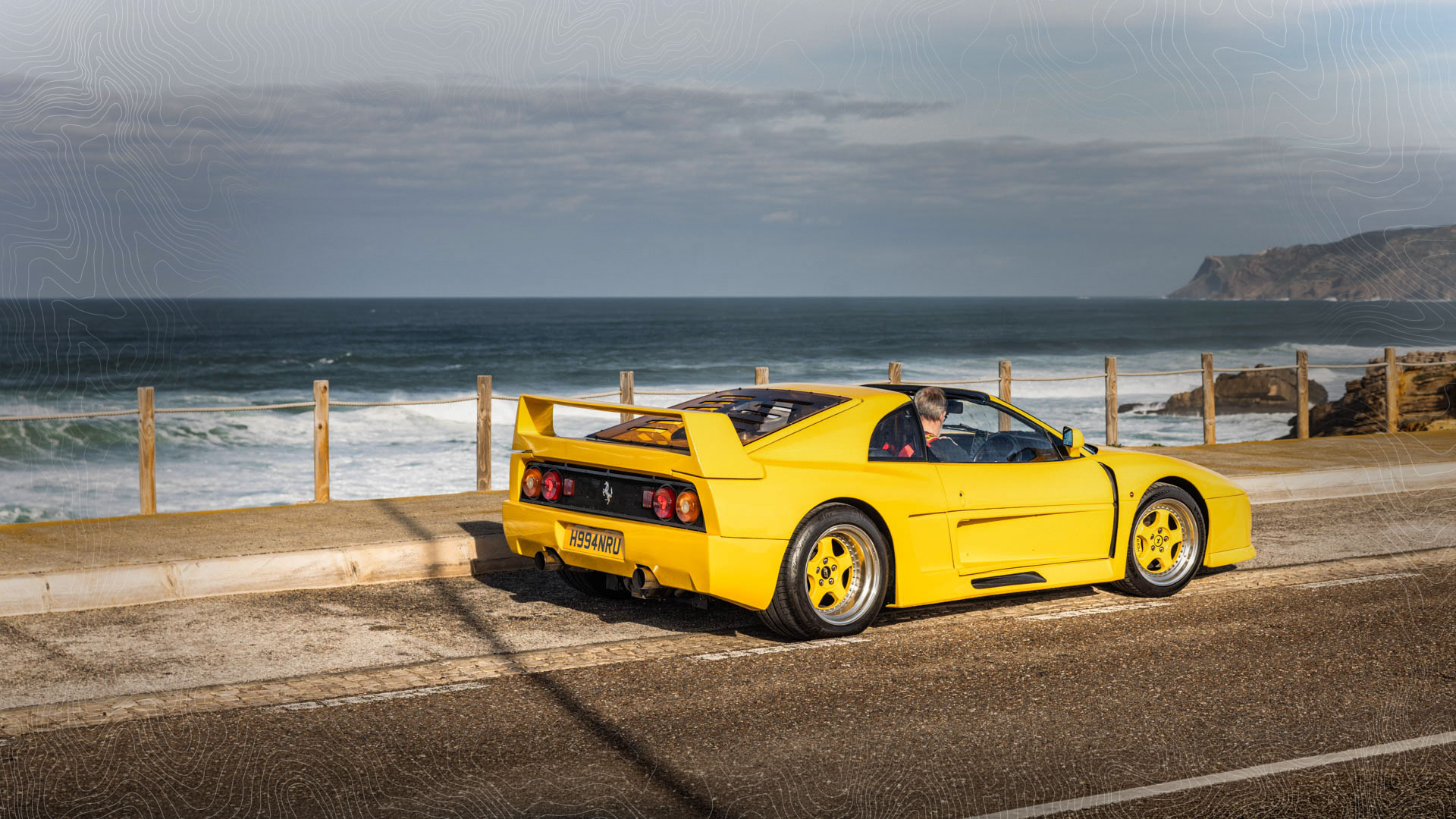
Koenig Specials was getting wider, faster and wilder, but with Ferrari unhappy and the world changing, Willy König’s wild ride couldn’t last forever.
By the mid-1980s, Koenig Specials was no longer a curiosity. It was a warning.
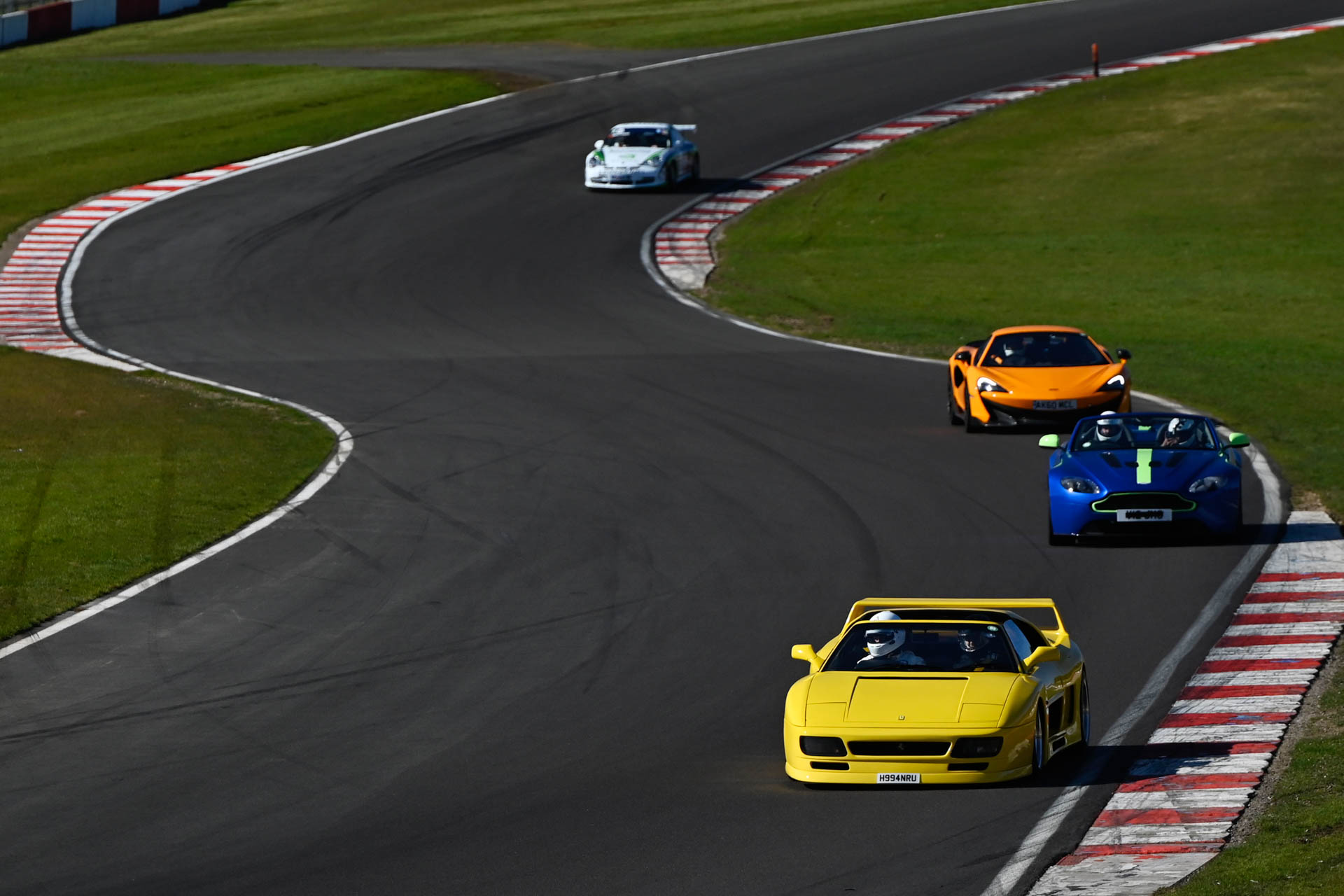
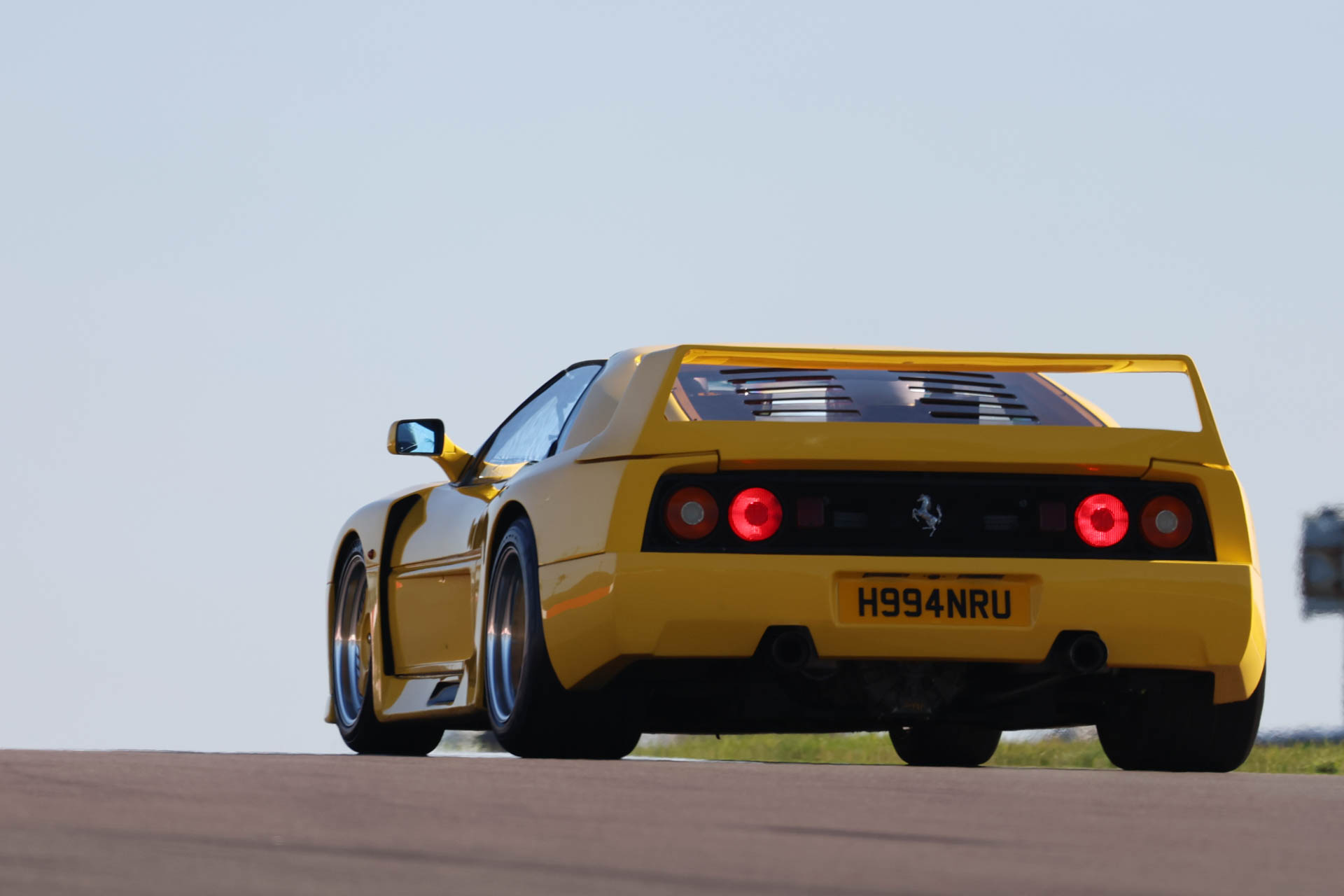
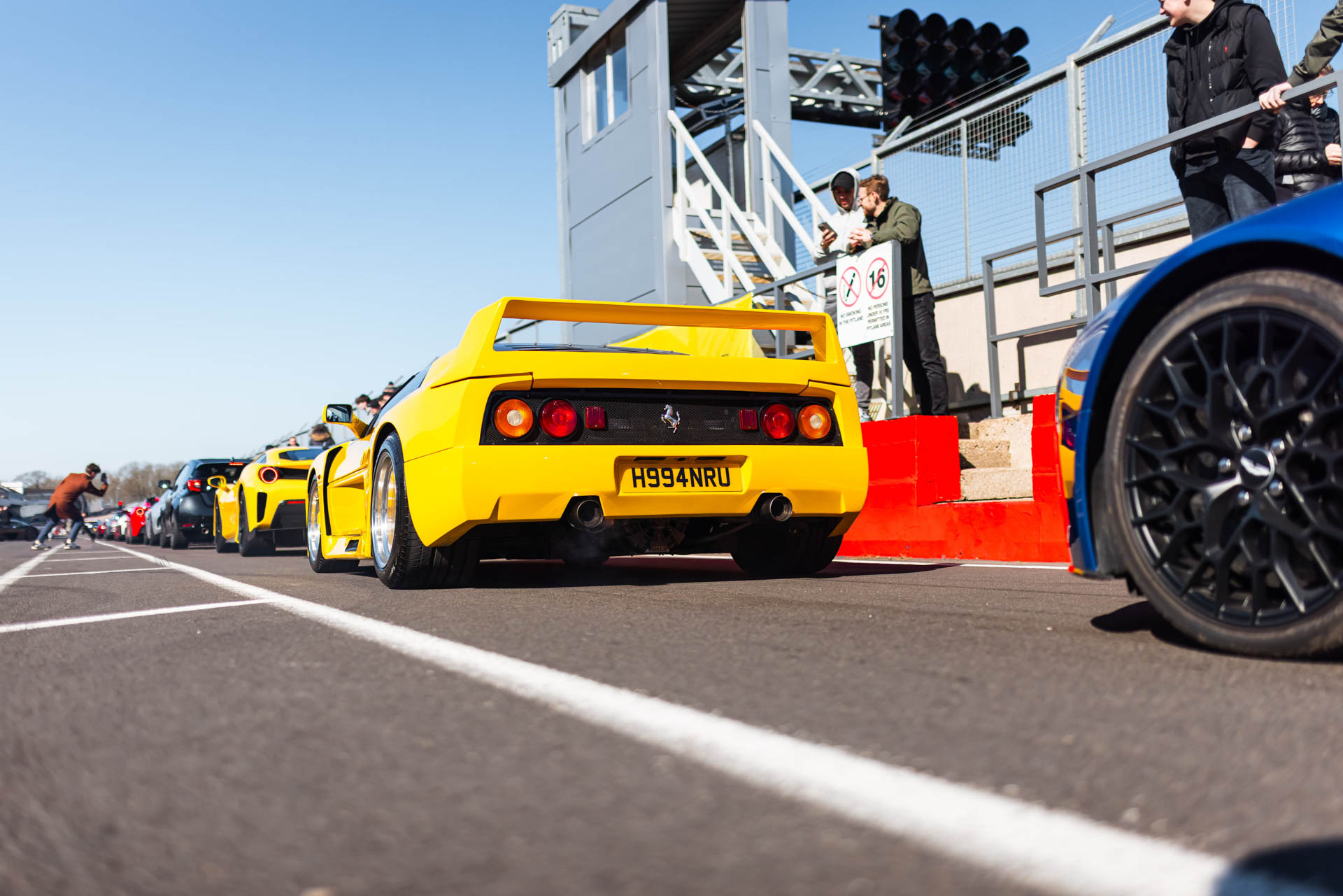
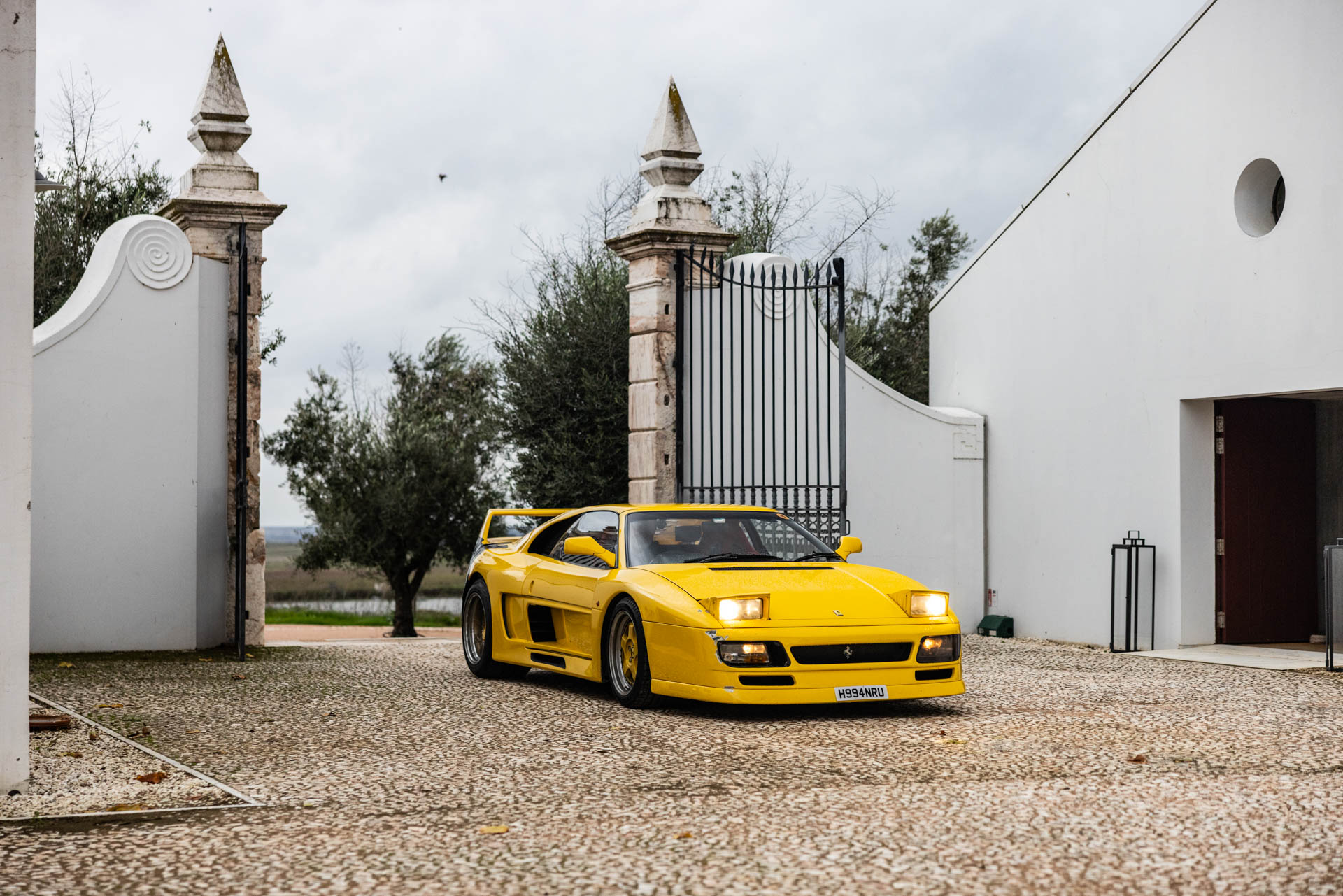
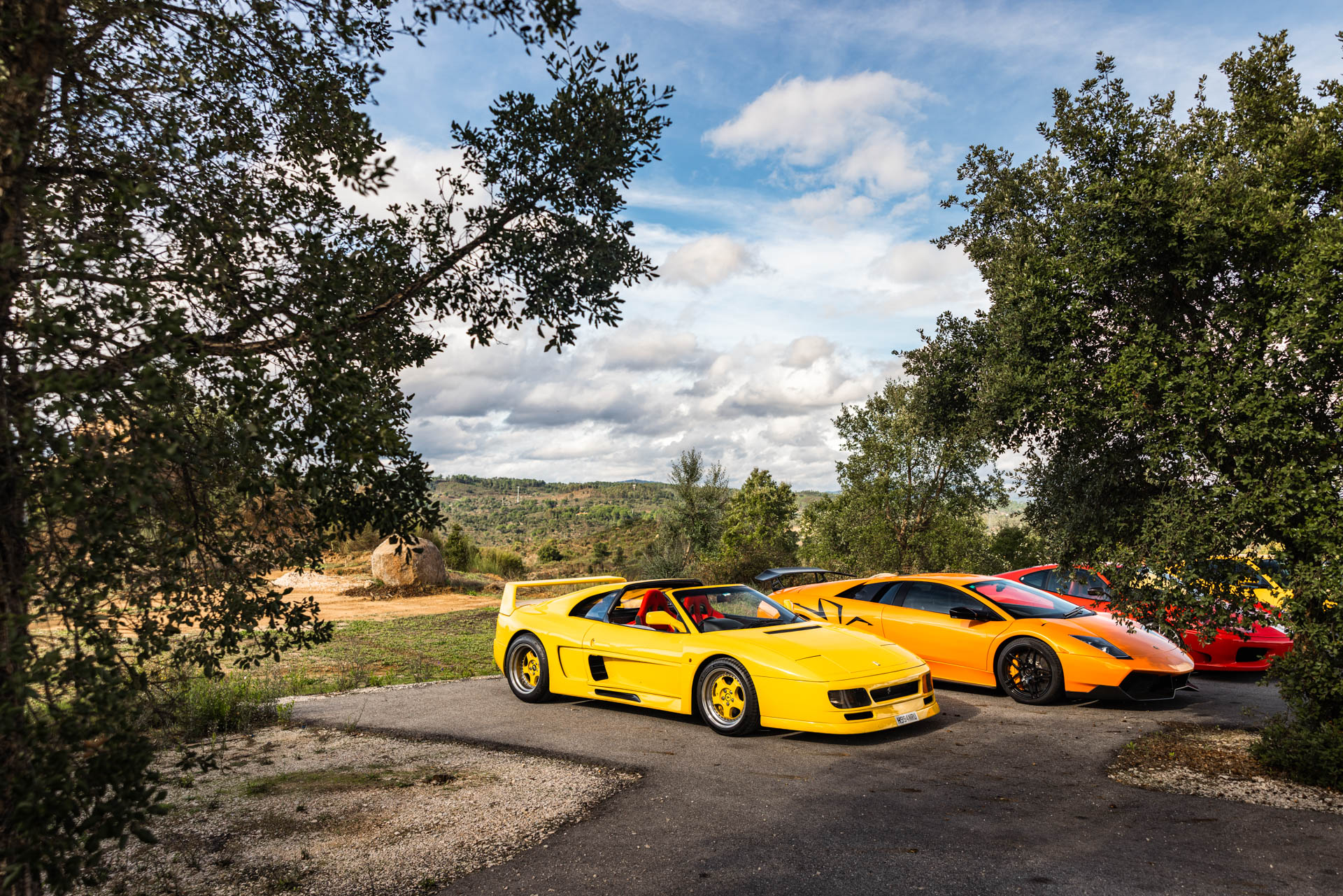
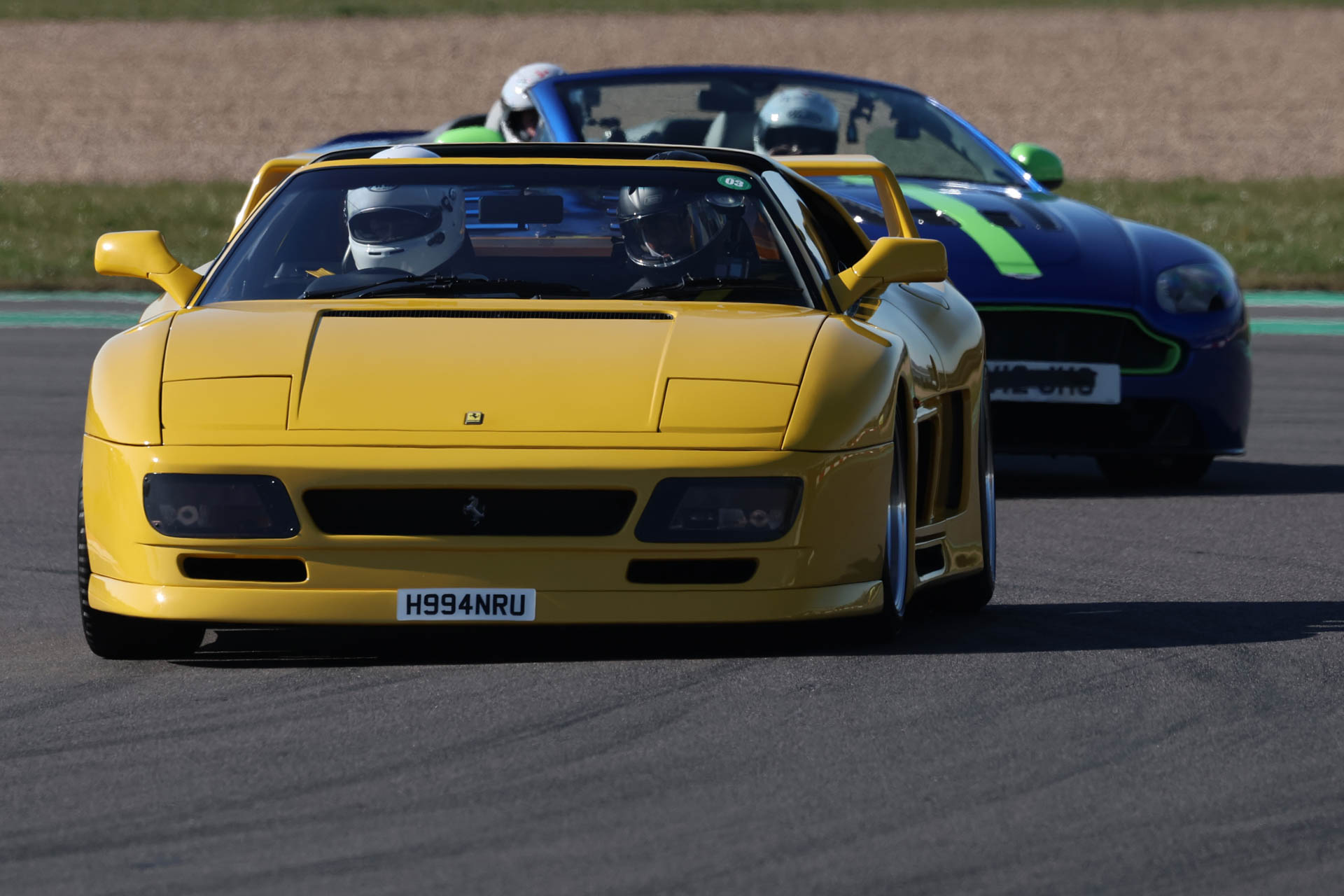
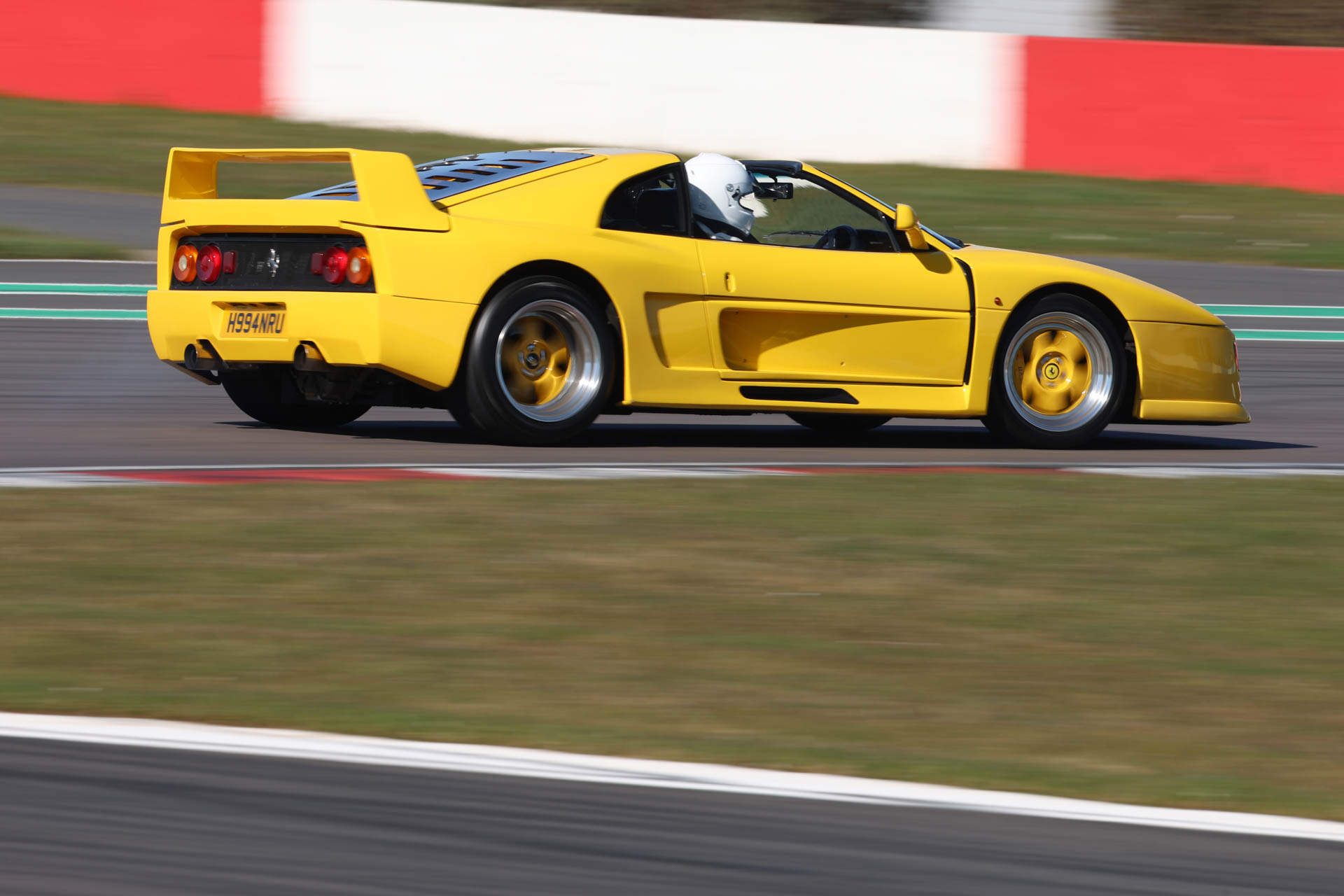
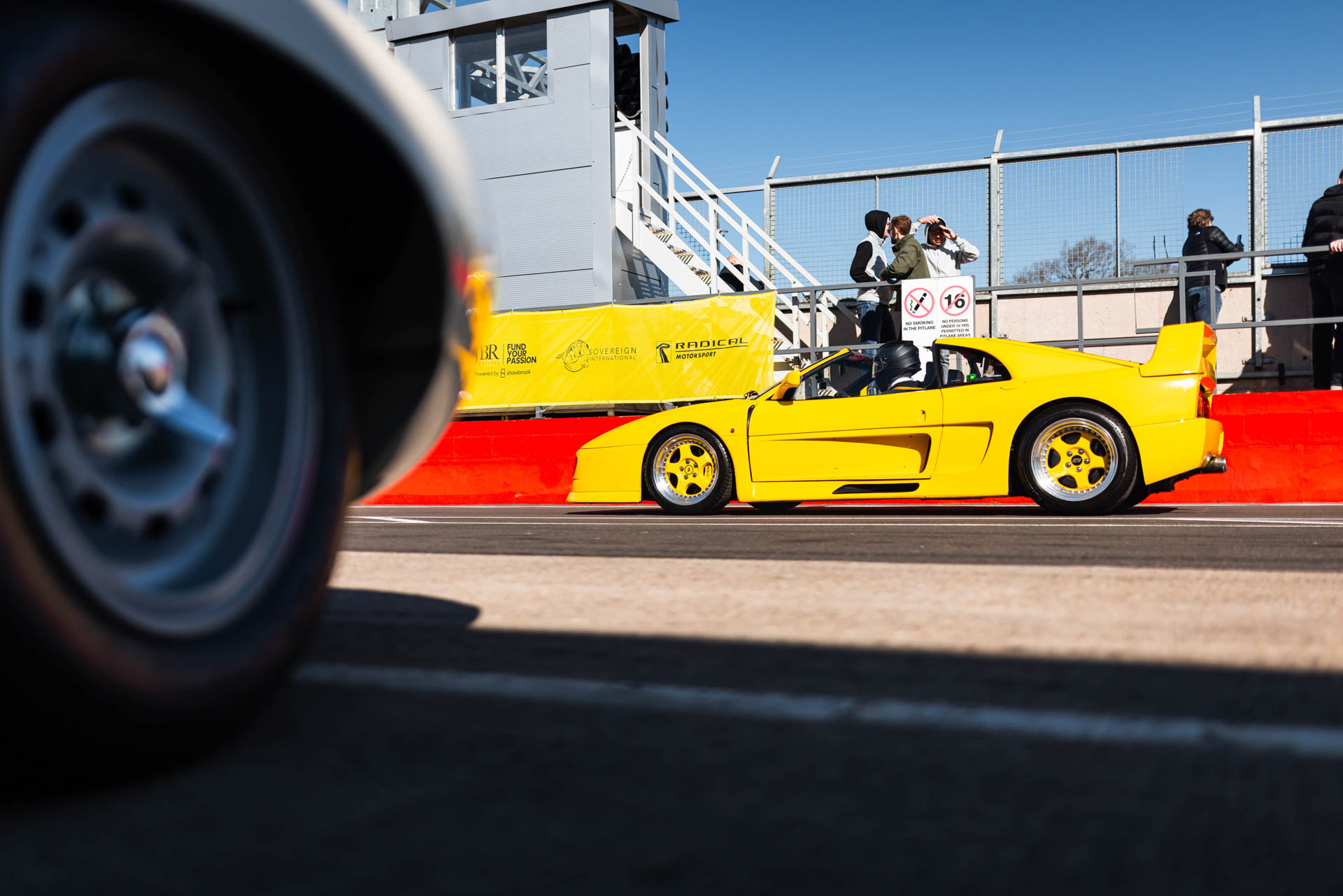
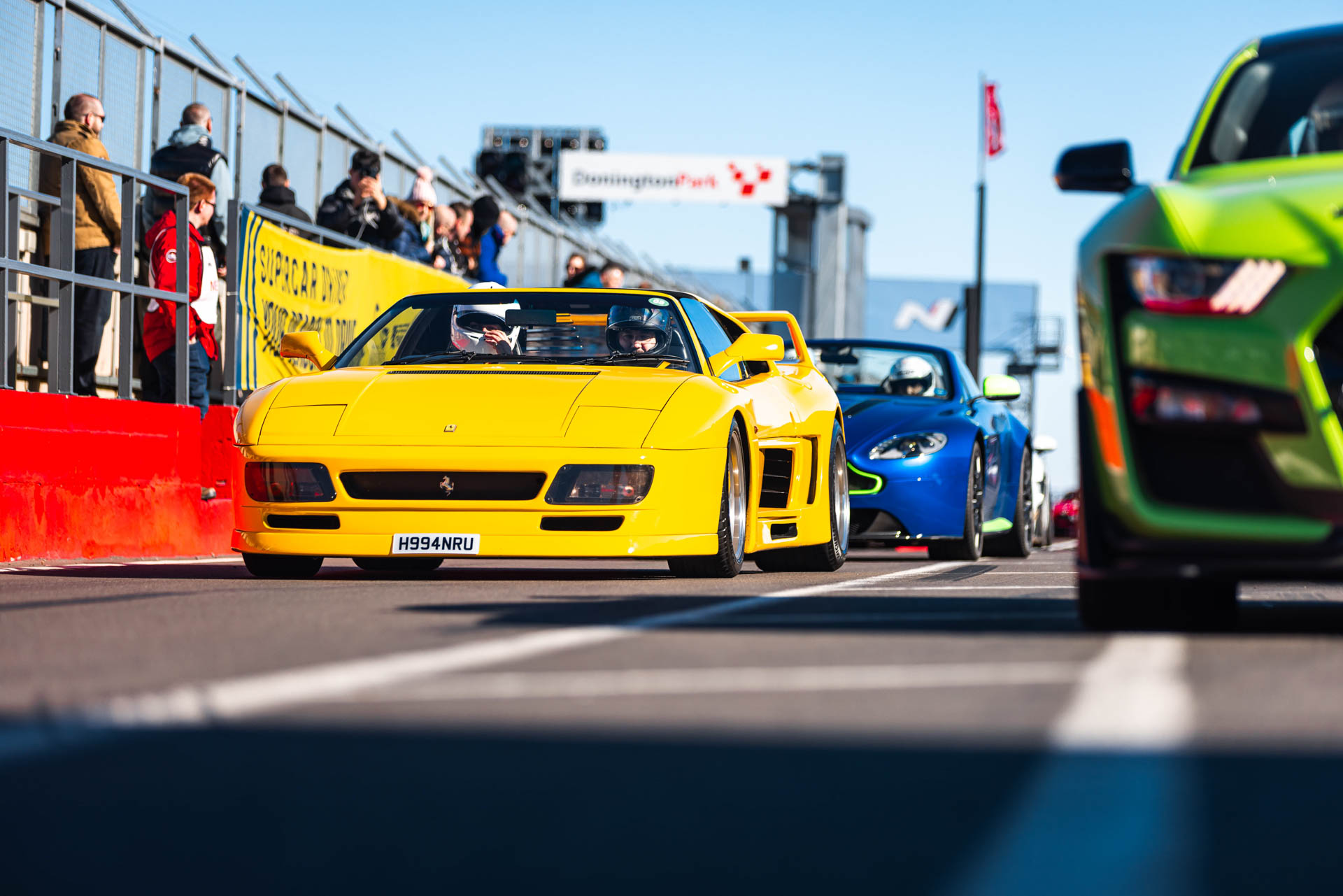
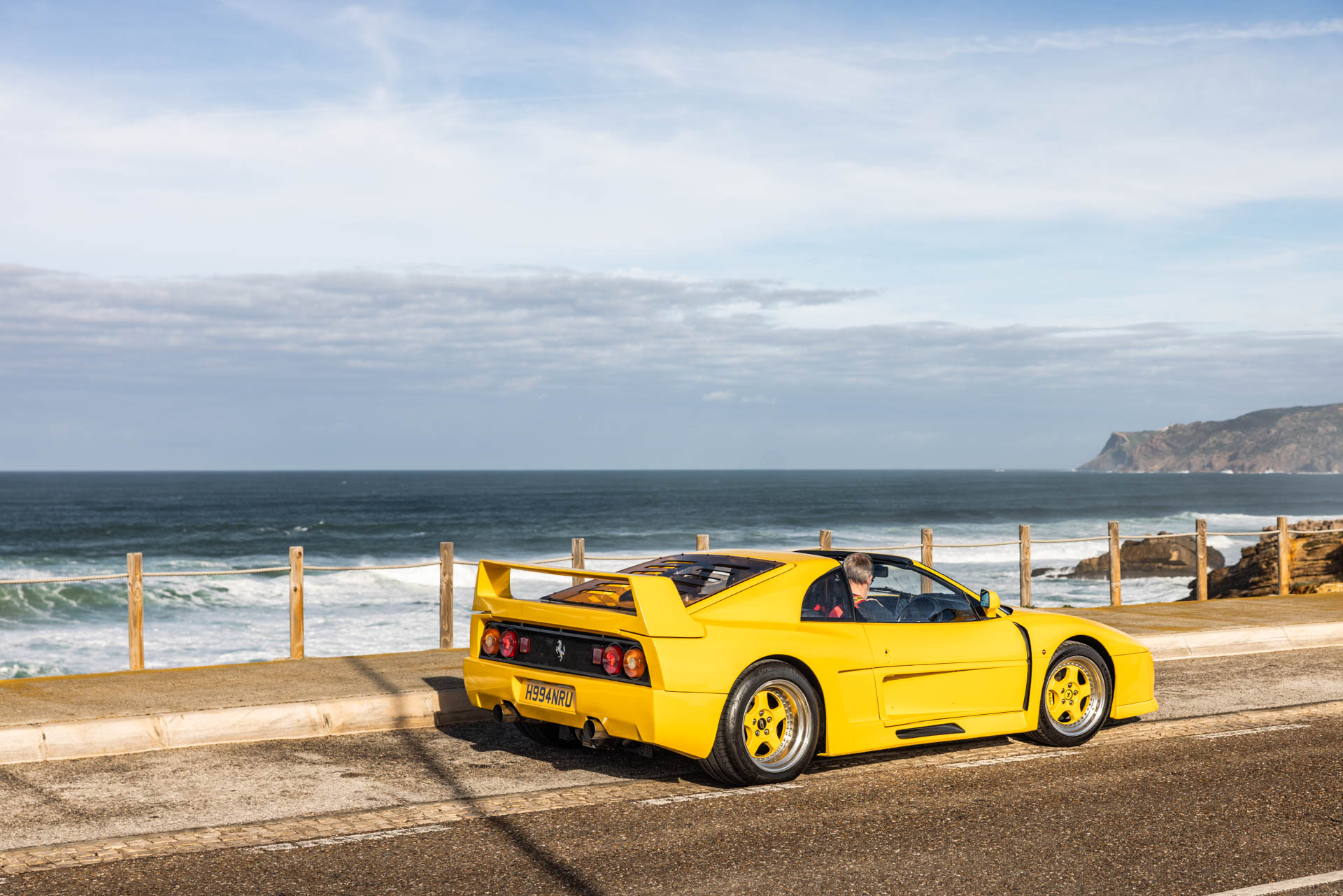
You did not stumble across a Koenig Ferrari by accident. You heard it first. A distant whistle, then a harder mechanical note underneath, like something being pressurised against its will. Then the car appeared, wider than memory suggested it should be, sitting low and tense, as if it was already annoyed at the traffic ahead. These cars did not look factory because they were not pretending to be.
Willy König had crossed a line that very few people ever do. He had taken the world’s most emotionally charged sports cars and removed their safety margin. Not the airbags or the seatbelts. The emotional safety net. The bit where the car flatters you and gently rescues poor decisions. A Koenig Ferrari did not rescue you. It watched.
The power numbers became the stuff of pub arguments. Figures that sounded made up. Numbers that Ferrari themselves would not put in print for years. Acceleration that felt less like speed and more like displacement, as if the car was relocating you violently through space.
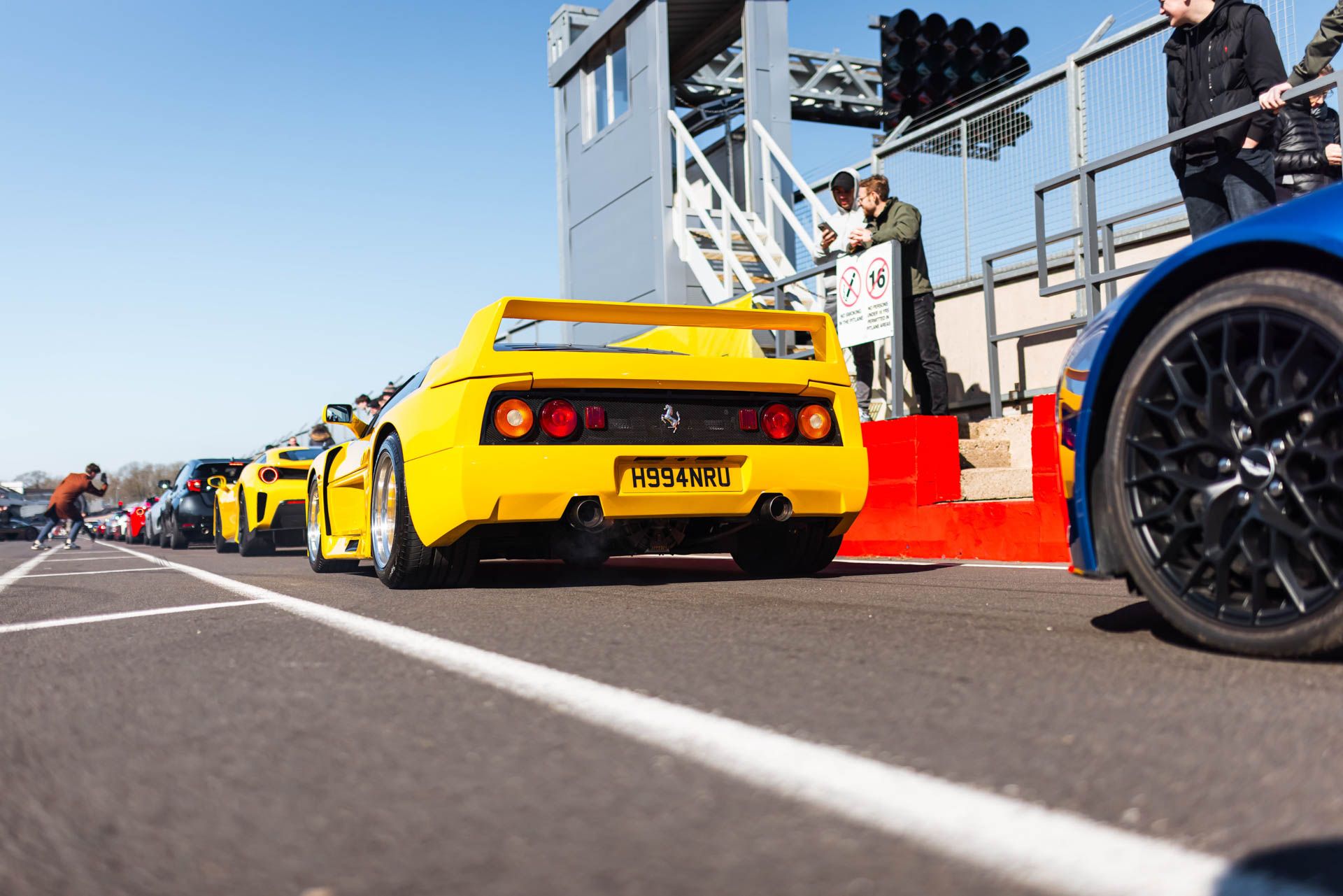
Owners loved this. Not all of them, obviously. Some bought Koenig cars because they looked outrageous and then quietly discovered they were in possession of something that required actual respect. Others understood exactly what they were buying and adored Willy for it.
The cars were not delicate. They were over-engineered in places Ferrari had never needed to worry about. Gearboxes rebuilt with the quiet understanding that they were now handling forces they had not signed up for. Cooling systems expanded again and again until heat was no longer a suggestion but an enemy that had to be actively managed.
One of the lesser-known truths about Koenig cars is how much effort went into keeping them alive. These were not slap-on turbos and wishful thinking. They were deeply considered machines built by someone who had raced, broken things, and learned the hard way. Willy had no interest in building garage ornaments. He built cars to be driven, even if that driving involved moments of genuine fear.
Ferrari, meanwhile, had reached the end of its patience. The relationship between Maranello and Koenig Specials was no longer awkward. It was openly hostile. Dealers were discouraged from touching Koenig cars. Parts supply became difficult. Support evaporated. Ferrari wanted nothing to do with cars that made their own offerings look conservative.
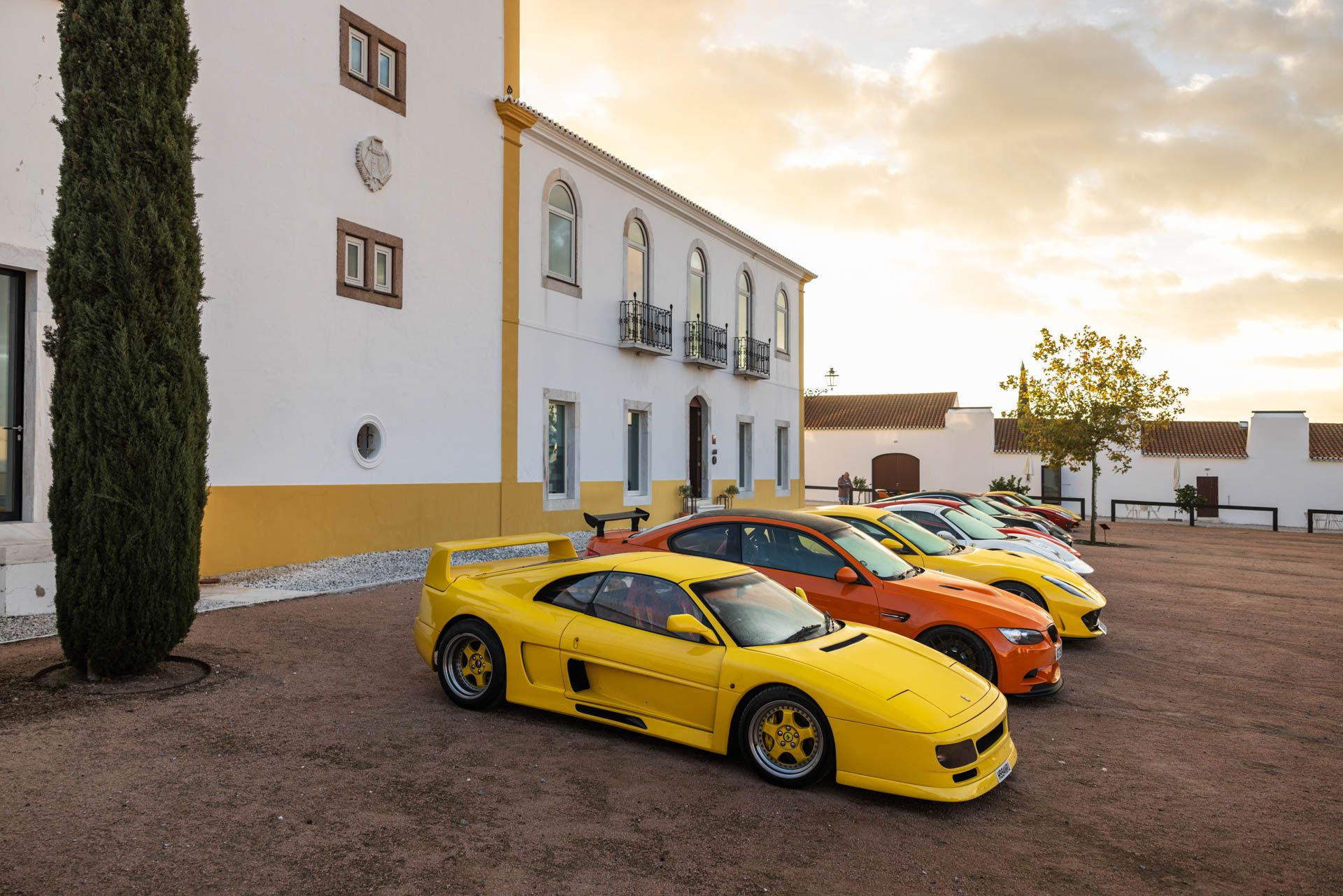
This did not slow Willy down. If anything, it freed him. Koenig Specials became bolder. Louder. Less concerned with compromise. The bodywork grew more aggressive. The stance more confrontational. These were not Ferraris for subtle entrances. They were Ferraris for people who wanted the entire car park to stop and stare.
Reactions at the time were wonderfully divided. Some journalists dismissed them as tasteless excess. Too wide. Too loud. Too much. Others drove them properly and emerged pale, laughing, and slightly awestruck. They understood that beneath the bravado was a serious engineering effort and a very clear philosophy.
These cars were honest. They did not pretend to be easy. They did not hide their intentions. They told you, clearly, that you were in charge and that consequences were your problem.
And then, quietly, the world began to change. The late 1980s and early 1990s arrived with new rules. Emissions. Noise. Liability. Electronics. Manufacturers started building safety nets into everything. Power was still increasing, but it was being wrapped in layers of control. The era that had allowed Koenig Specials to exist was fading.
Willy felt it. He was not blind to the shift. Building ever more extreme road cars was becoming harder, riskier, and less welcome. The market changed too. Customers began to want reassurance along with performance. They wanted speed without fear. That was never really Willy’s thing.
Koenig Specials did not explode or collapse. It simply burned less brightly. Fewer cars. Less noise. The outrageous excess that had defined the brand belonged to a very specific moment in time, and that moment was passing.
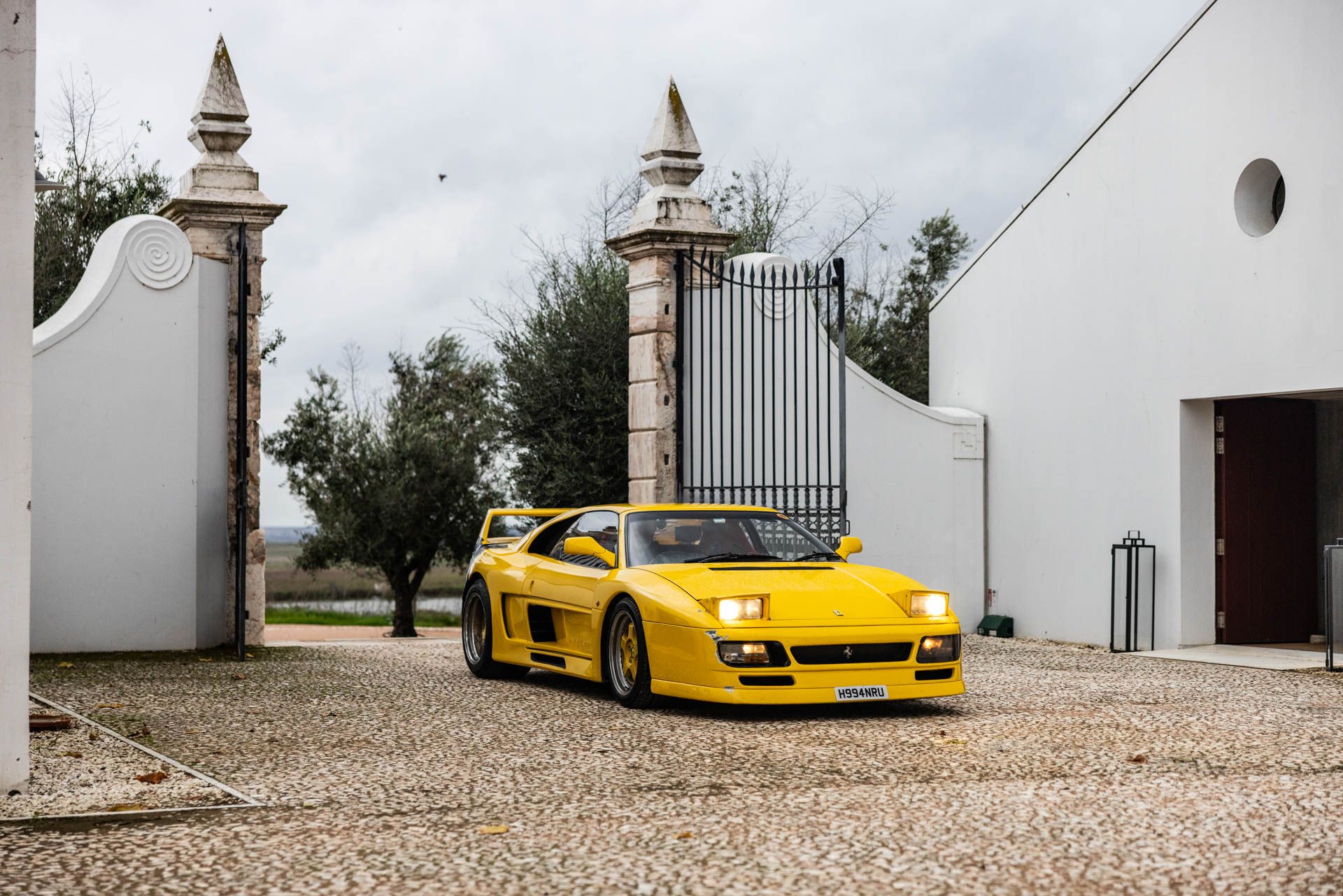
By the mid-1990s, Koenig Specials had effectively stepped back. Not because it failed, but because the world it thrived in no longer existed. Manufacturers had caught up in some ways, surpassed in others, and the law had arrived with a clipboard.
Willy König himself drifted out of the spotlight. He had never chased fame. He had chased an idea. Once that idea had been fully explored, he did not feel the need to shout about it forever.
And this is where the story becomes something more than just wide arches and turbochargers. Because Koenig Specials left a mark. It proved that Ferrari was not untouchable. That their cars, magnificent as they were, could be improved, altered, and pushed beyond factory limits. It forced conversations Ferrari did not want to have yet. About power. About durability. About what customers really wanted.
Years later, Ferrari would build turbocharged road cars of their own. They would chase huge power figures. They would widen bodies, add aggressive aero, and sell cars that were objectively outrageous. They just did it their way. Willy König never asked for credit. He did not need it. Anyone who knew, knew.
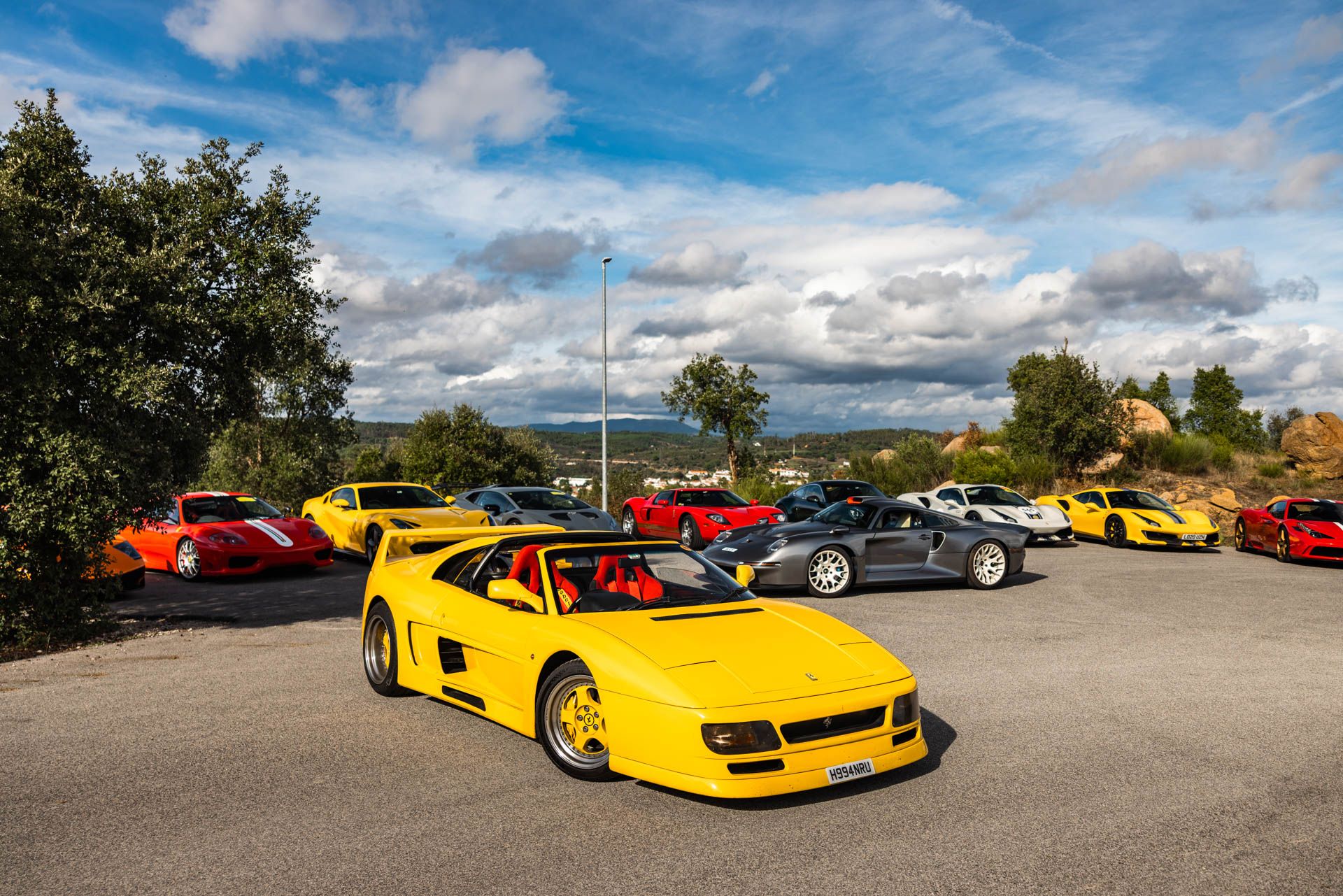
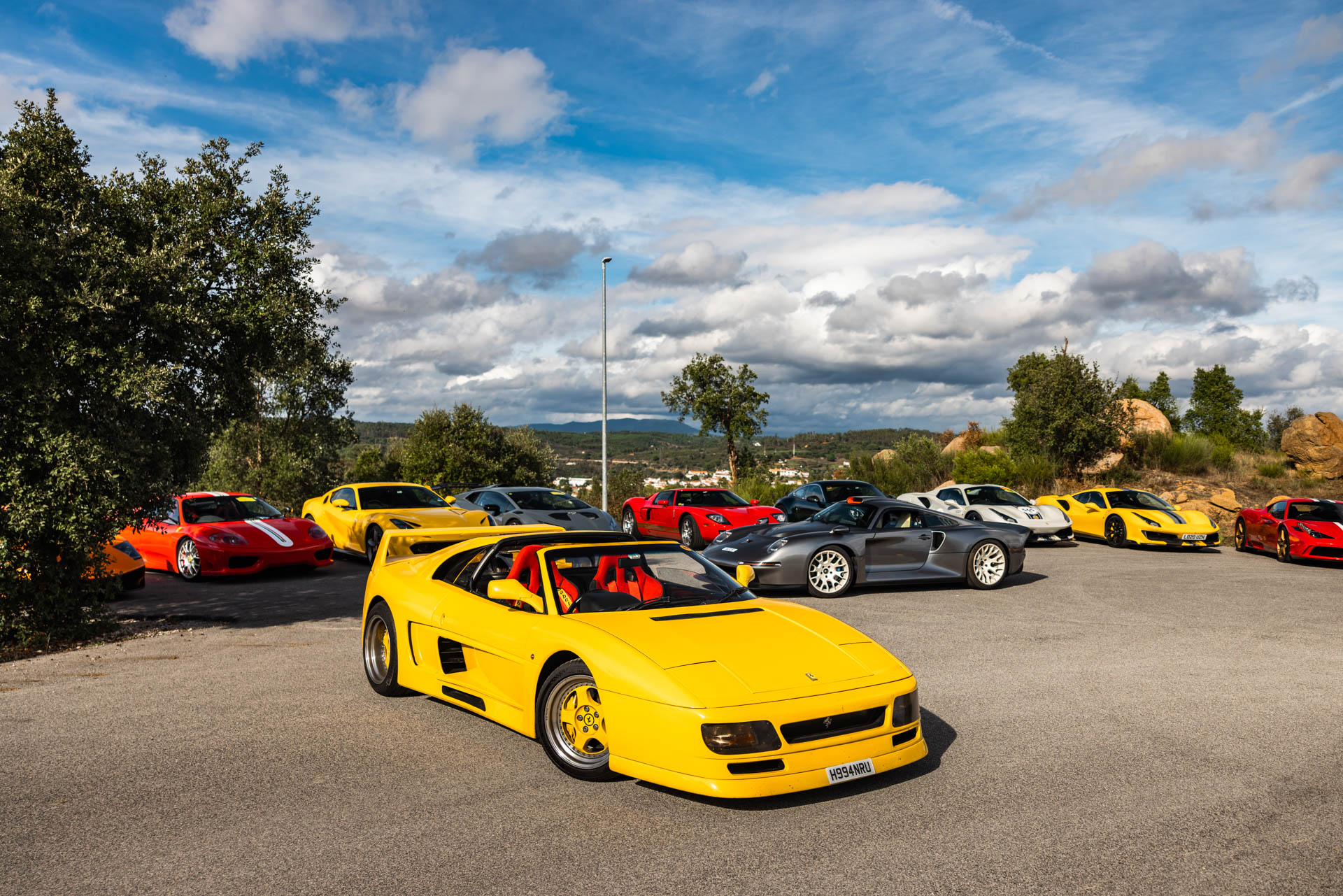
Today, Koenig Ferraris exist as artefacts from a different mindset. They are collected, debated, and occasionally driven by people who understand what they are. Not better than standard Ferraris. Not worse. Just braver. They are reminders of a time when someone looked at the most famous sports cars in the world and decided that the rules were optional.
Willy König was a nutter. Absolutely. But he was a talented one. A thoughtful one. A man who loved cars enough to risk being disliked by the people who made them. He did not want to destroy Ferrari’s work. He wanted to take it somewhere else. Somewhere louder. Faster. Scarier. And for a glorious stretch of time, he did exactly that.
This was the story of Willy König and Koenig Specials. Not a tuner. Not a rebel. Just a man who refused to believe that perfection had already been reached.