Feature
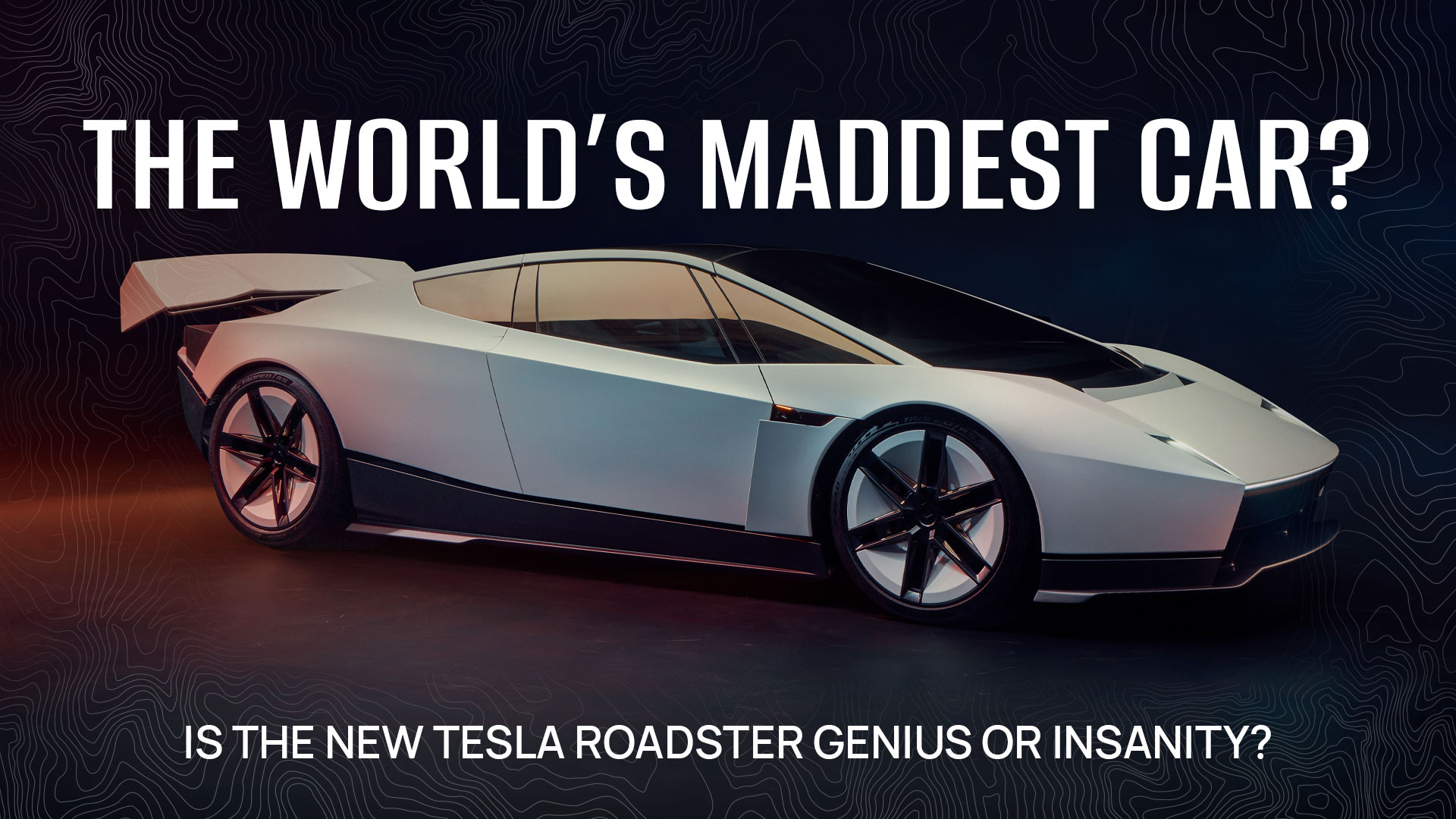
The New Tesla Roadster — Genius or Insanity?
The Tesla Roadster: Or how Elon Musk spent nine years inventing a car that can do a backflip, drive on the ceiling and make absolutely no sense whatsoever.
October 19, 2026
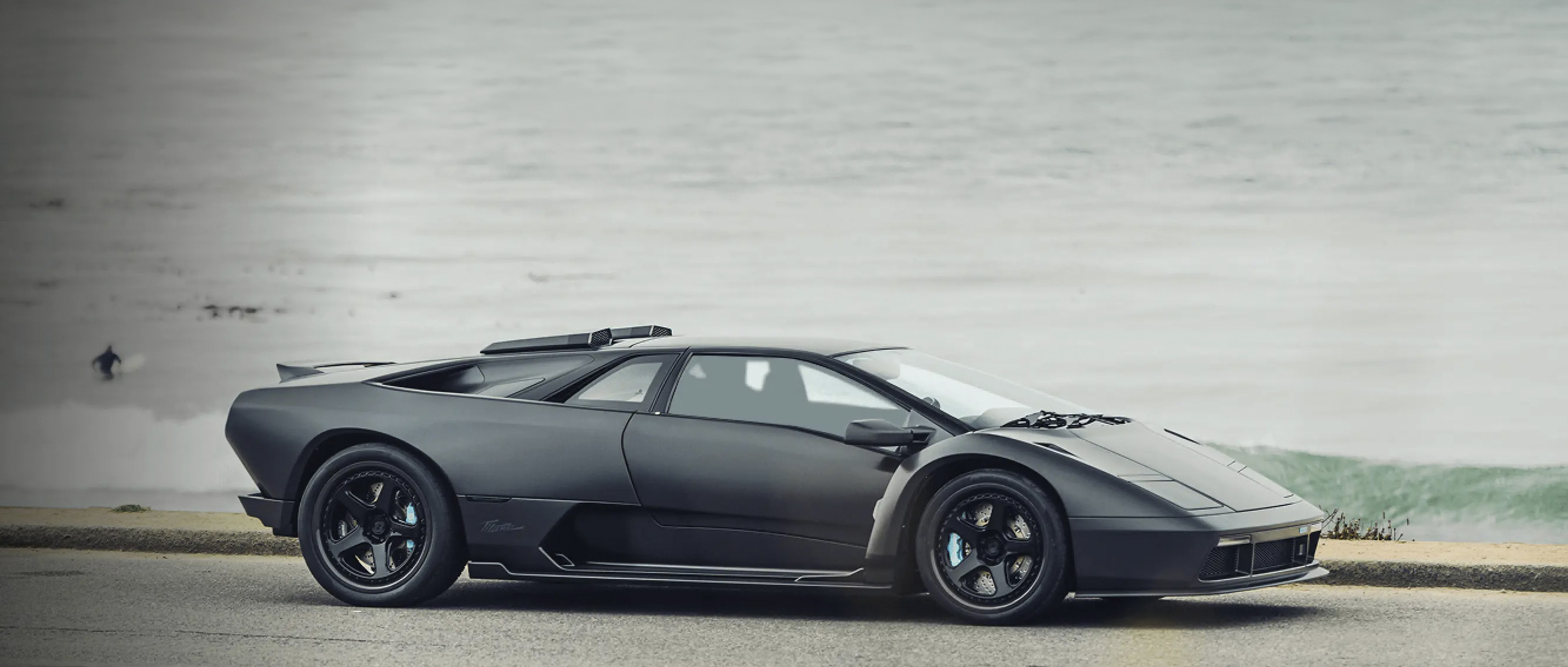
The Eccentrica V12 feels so different. Because this isn’t trying to reinvent the Diablo. It’s trying to preserve the feeling of one.
There are cars that belong to a moment, and then there are cars that define one.
The original Lamborghini Diablo was never rational. It arrived at the exact point where excess, ambition and analogue brutality all collided together in a poster-shaped wedge of madness. It was dramatic before dramatic became manufactured. Difficult before “driver-focused” became a marketing phrase. It didn’t flatter you. It tolerated you.
And that’s exactly why nobody has ever truly replaced it.
Not Lamborghini.
Not modern supercars.
Not even the endless flood of retro-inspired restomods that usually smooth away the rough edges until all character disappears.
Which is why the Eccentrica V12 feels so different.
Because this isn’t trying to reinvent the Diablo. It’s trying to preserve the feeling of one.
That distinction matters.
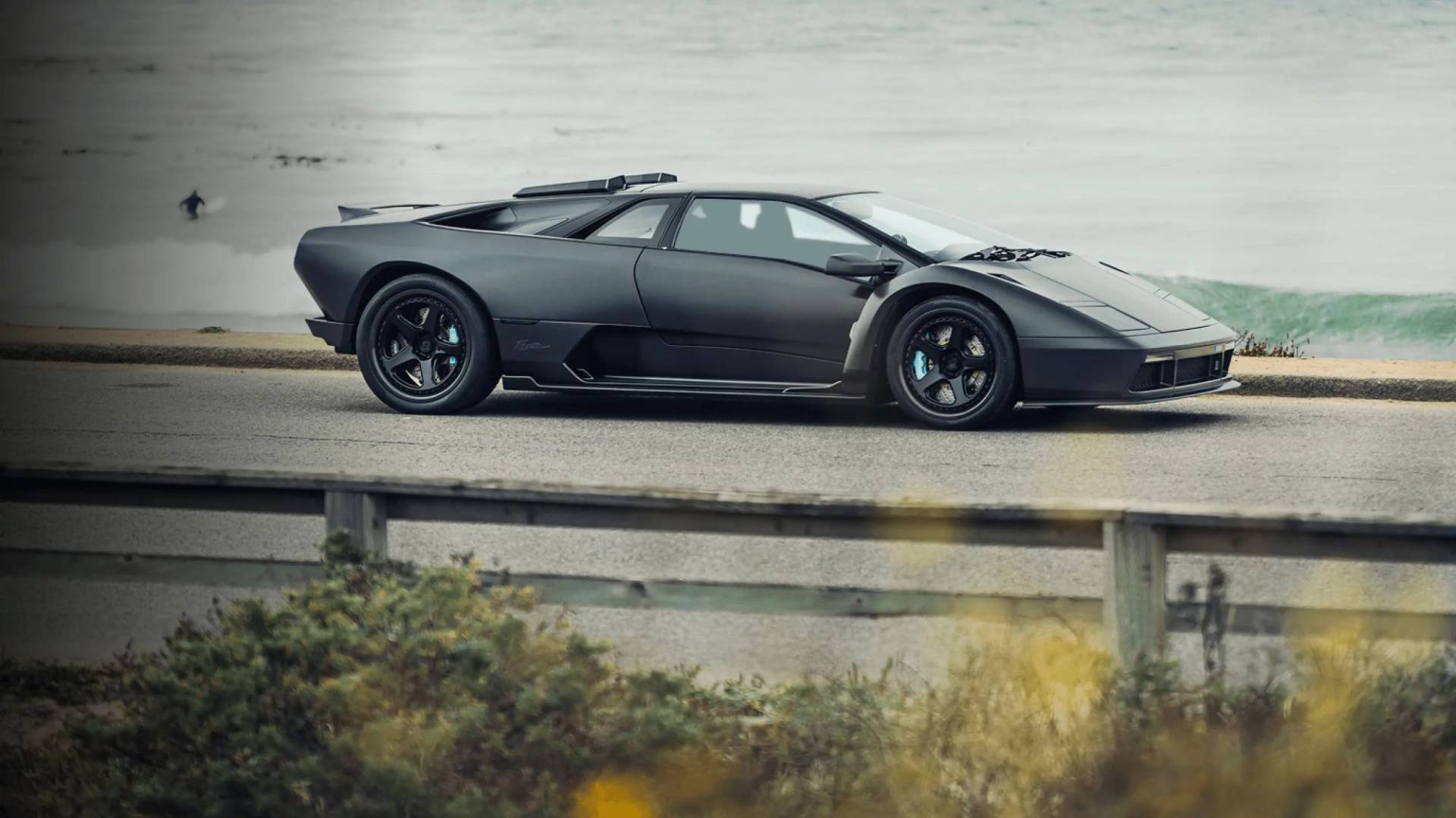
The temptation with any modern reinterpretation is to chase numbers. More power. More grip. Bigger screens. More modes. More theatre. But the people behind Eccentrica seem to understand something many manufacturers have forgotten: the original Diablo’s appeal was never perfection. It was the occasion.
The driving position felt absurd. The visibility was at best ‘not ideal’. The cabin smelled faintly of fuel and hot leather. The steering loaded up like industrial machinery. And when that naturally aspirated V12 woke up behind your head, everything else on the road suddenly felt sanitised.
The Eccentrica keeps that soul intact while quietly correcting the parts that made the original intimidating for all the wrong reasons.
So yes, the 5.7 litre V12 is still naturally aspirated.
Yes, there’s still a gated manual gearbox.
Yes, it still looks like it escaped from a teenager’s bedroom wall circa 1997.
But underneath, everything has evolved.
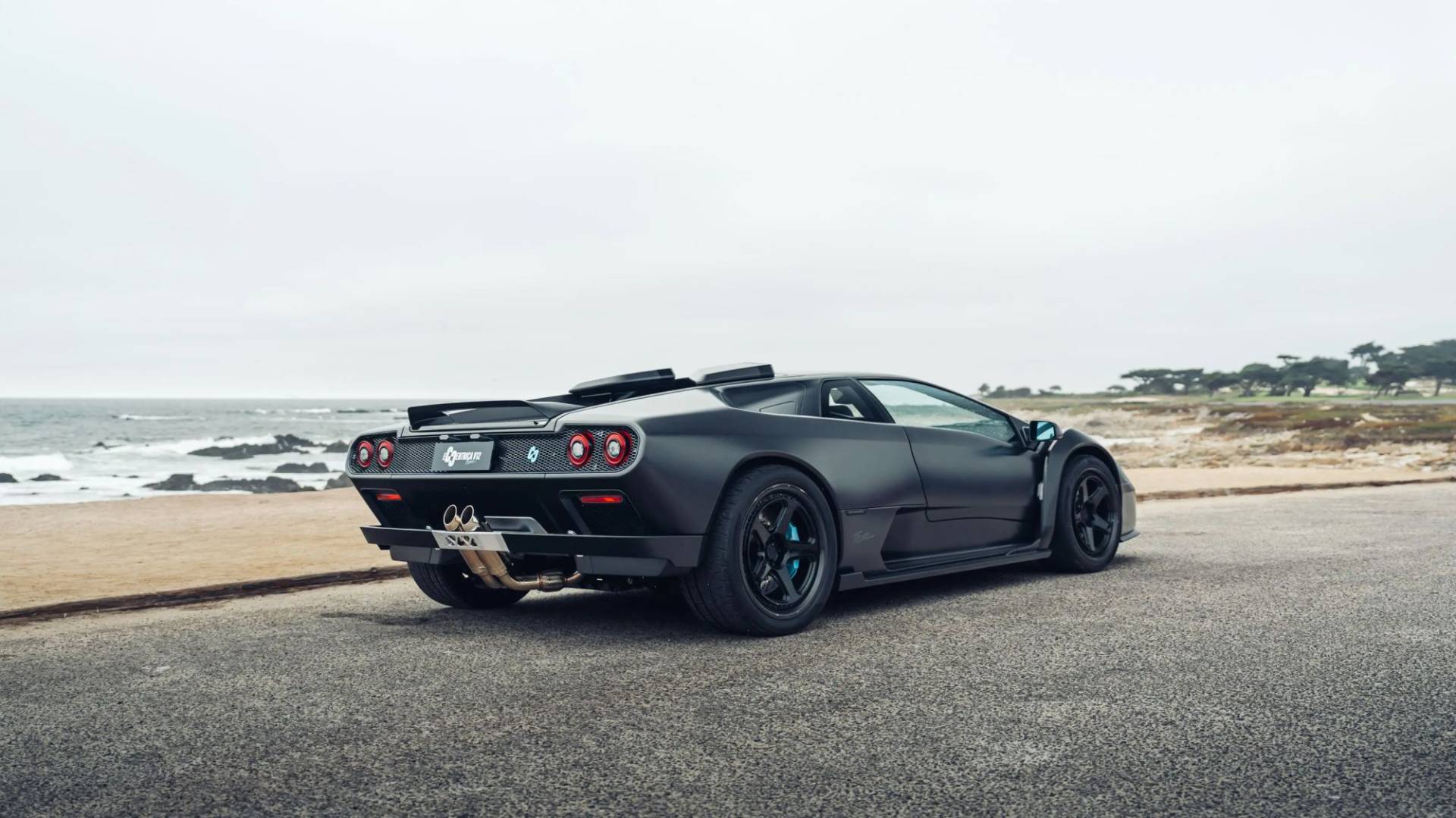
The chassis is reinforced with composite materials. The suspension now uses adaptive dampers. There’s modern braking hardware from Brembo, proper steering assistance, updated electronics and a bespoke six-speed transmission designed to make the car feel alive rather than exhausting.
Crucially, Eccentrica resisted the urge to turn it into a 1,000bhp social media special. Output rises to around 550hp. Enough to feel serious without diluting the balance and personality of the original car.
That restraint says everything.
Because the best modern reinterpretations aren’t about making old cars faster. They’re about understanding what made them memorable in the first place.
The Diablo was memorable because it felt dangerous. Not in a reckless sense, but in the way all truly great supercars once did. It demanded commitment. It asked something from you. You didn’t simply drive it, you participated in it.
Modern supercars, incredible as they are, rarely do that anymore.
They’re devastatingly competent, but competence has become easy. Speed has become accessible. You can now buy cars capable of dismantling a racetrack while simultaneously massaging your back and pairing flawlessly with your Spotify playlist.
But very few cars still feel mythical.
The Eccentrica does.
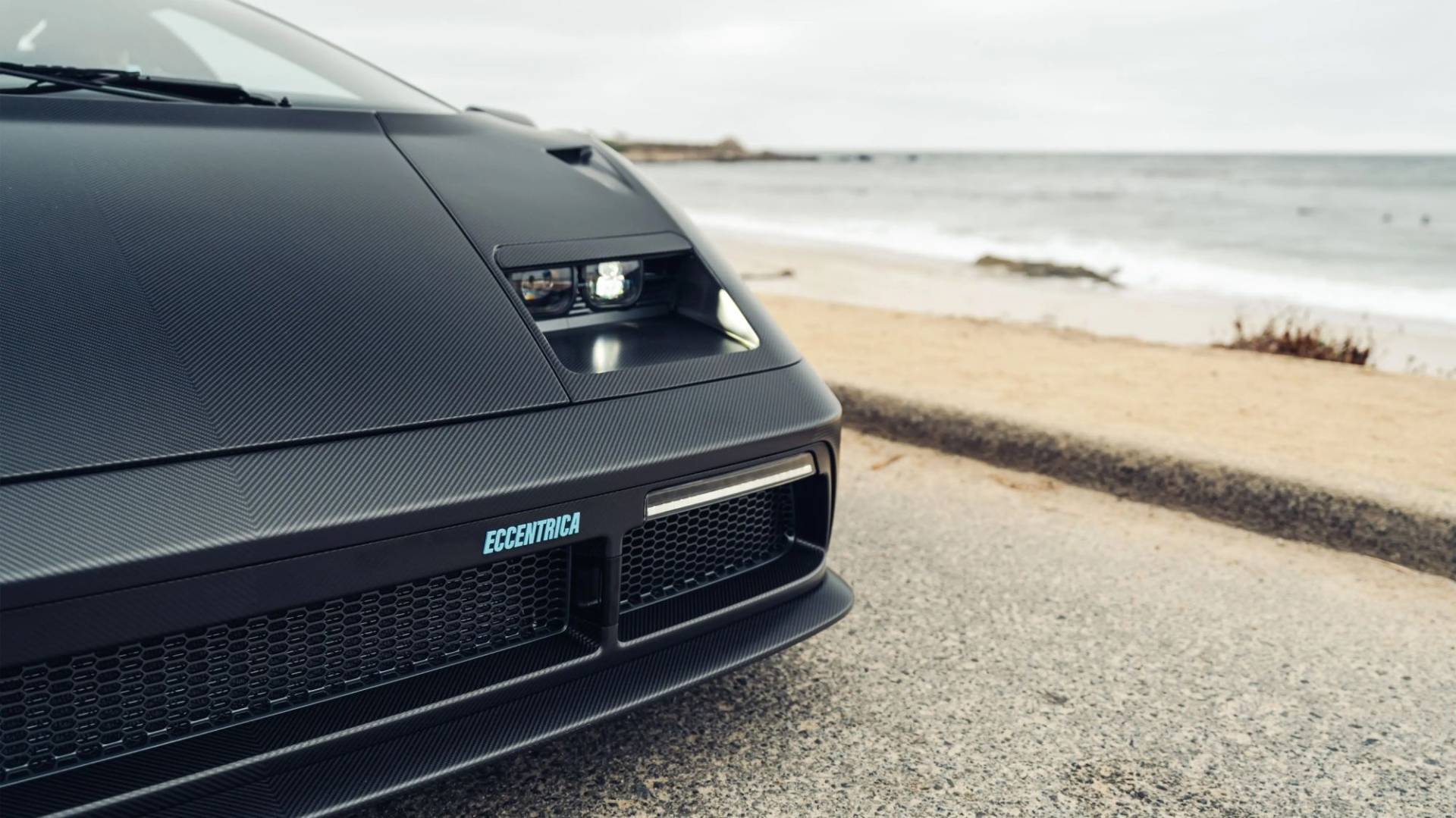
Firstly because the proportions remain so wonderfully outrageous. The impossibly low roofline. The cab-forward stance. The theatrical rear deck. Even now, decades later, the Diablo still looks less like a car and more like an object from an alternate future.
Secondly because Eccentrica appears to understand the importance of analogue emotion. That phrase gets overused in the automotive world, especially recently, but here it actually fits.
There are no fake engine noises. No hybrid systems masking weight with software tricks. No attempt to isolate the driver from the machine. The entire project seems built around preserving mechanical sensation. The feel of the shift, the response of the throttle, the theatre of a naturally aspirated V12 climbing through the rev range.
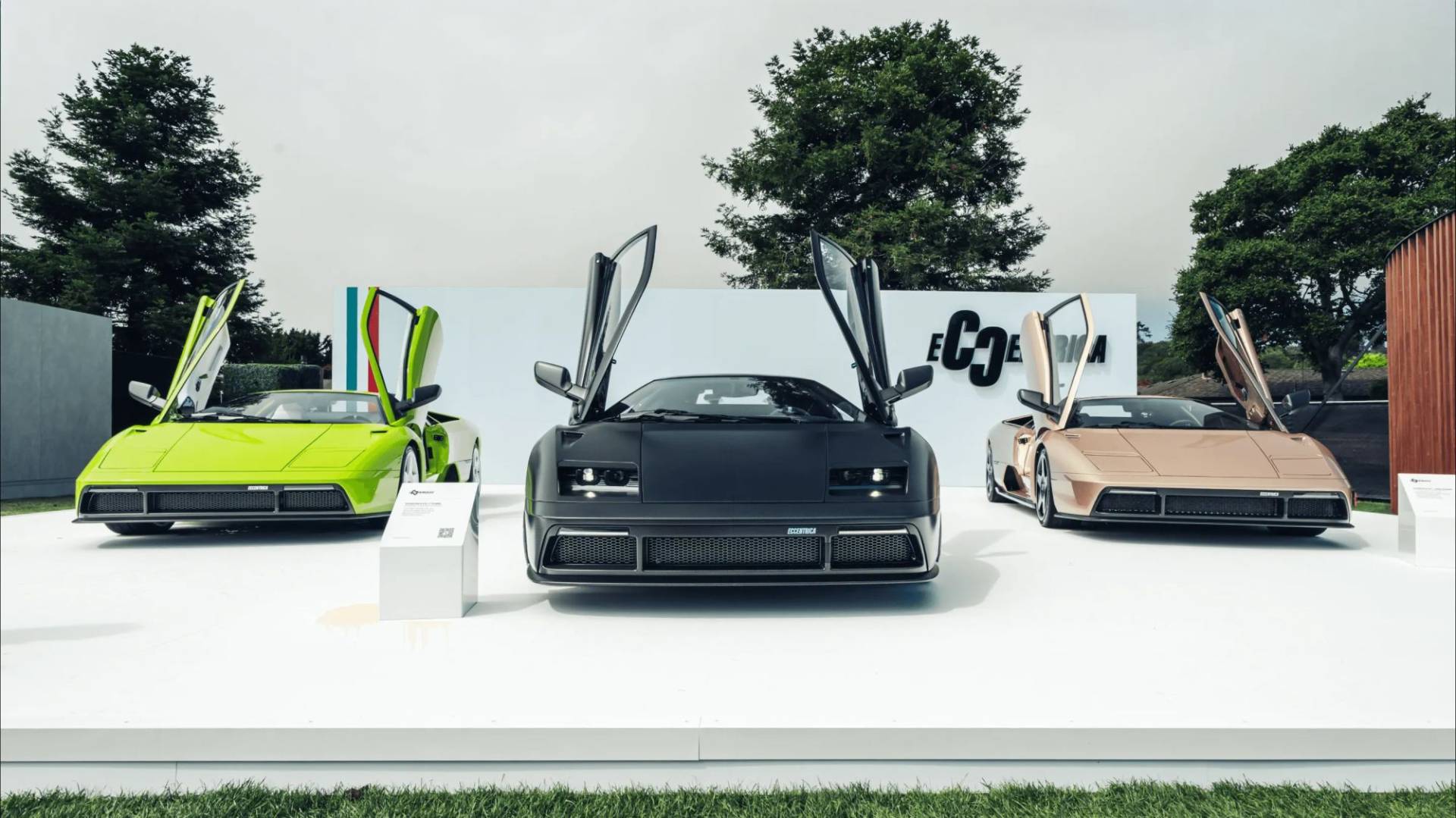
Only 19 examples will be built.
Which somehow feels appropriate.
Cars like this shouldn’t become common. Their rarity is part of the appeal. They exist for the same reason people still obsess over analogue watches or film cameras or vinyl records — because imperfection creates involvement. And involvement creates memory.
That’s ultimately what makes the Eccentrica V12 special. Not the numbers. Not the exclusivity. Not even the design.
It’s the fact that somebody looked at one of the most outrageous supercars of the 1990s and decided the world didn’t need it reinvented.
It just needed remembering properly.
And in an era increasingly dominated by silent speed and digital perfection, that might be the most rebellious thing of all.
And now you can experience the spectacle of the Eccentrica V12 for yourself at Secret Meet 2026.
Written by: Adam Burkin