Magazine
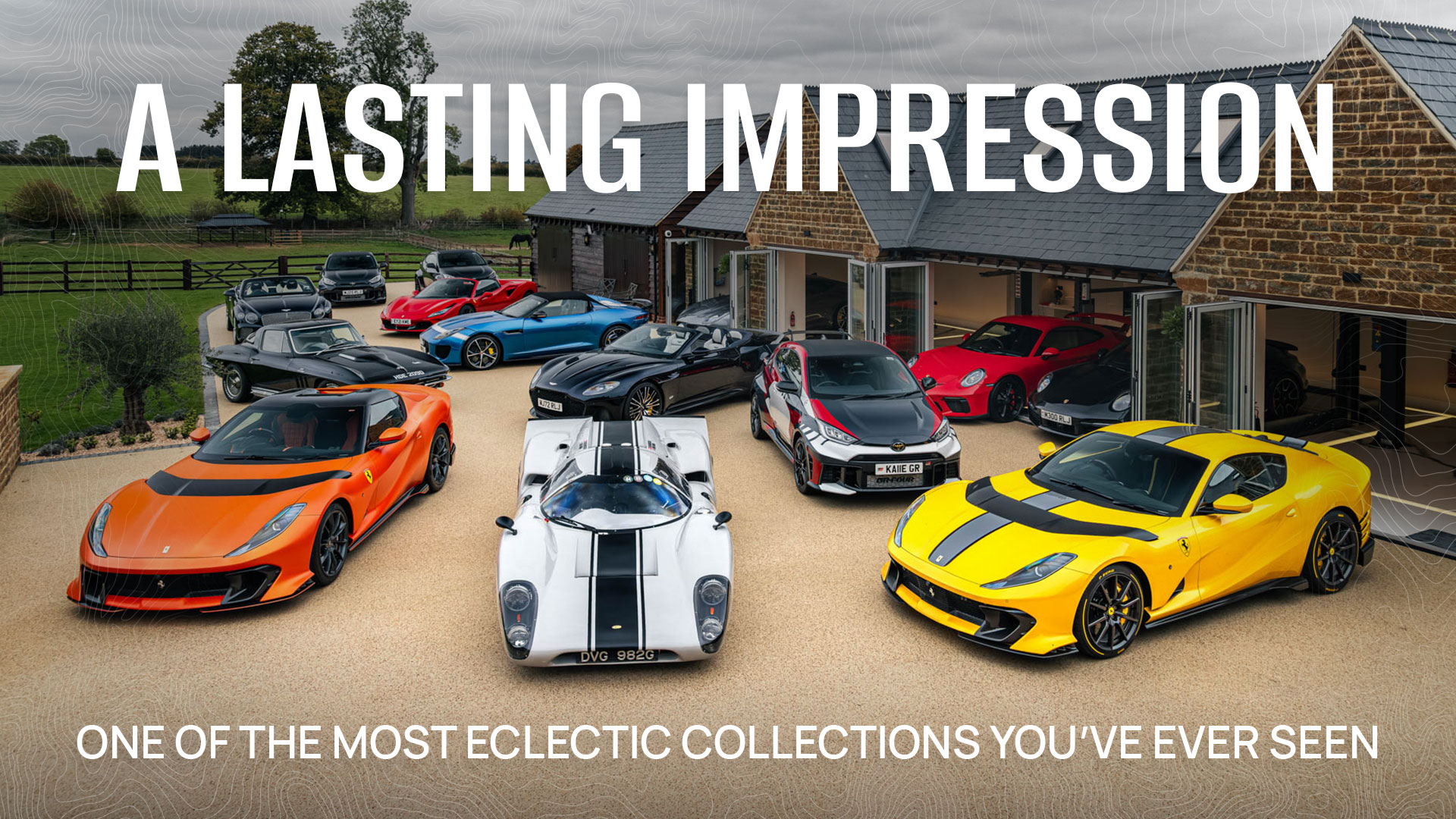
One of the Most Eclectic Collections You've Ever Seen
Behind the scenes of a member's eclectic collection, ranging from classics to supercars and vintage race cars, and the one he still yearns for.
October 2, 2026

Take a deep dive into our latest Naturally Aspirated Heroes trio with in depth reviews and three things you didn't know about each car.
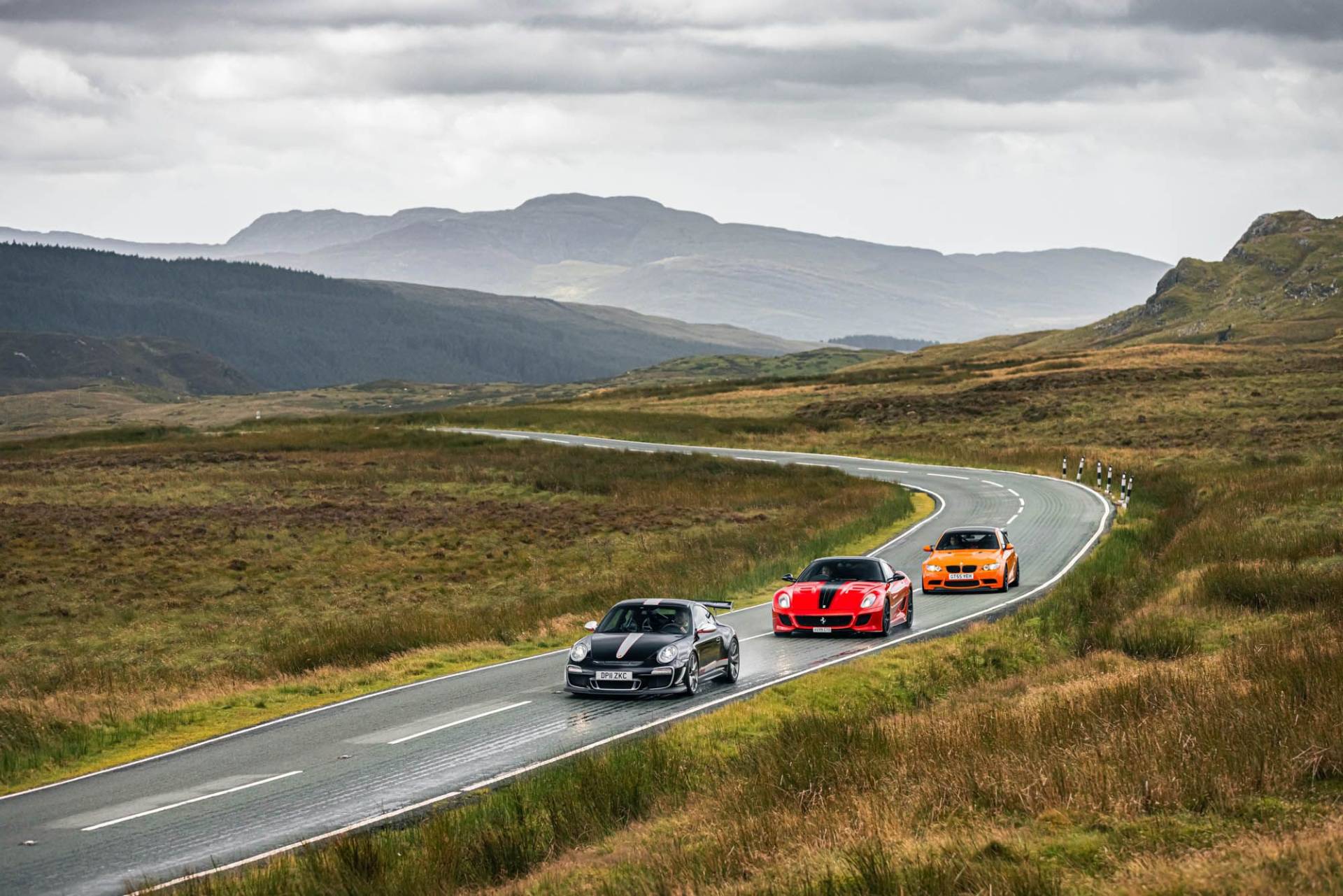
Rewind to 2010. The Nürburgring was still the ultimate proving ground, dual-clutch gearboxes were the hot new thing, and naturally aspirated engines were approaching their final form. It was a golden moment — not that we knew it then — when three manufacturers unleashed their most unfiltered, high-revving machines onto the road: the Ferrari 599 GTO, the Porsche 997 GT3 RS 4.0, and the BMW E92 M3 GTS.
Written by: Jonty Wydell
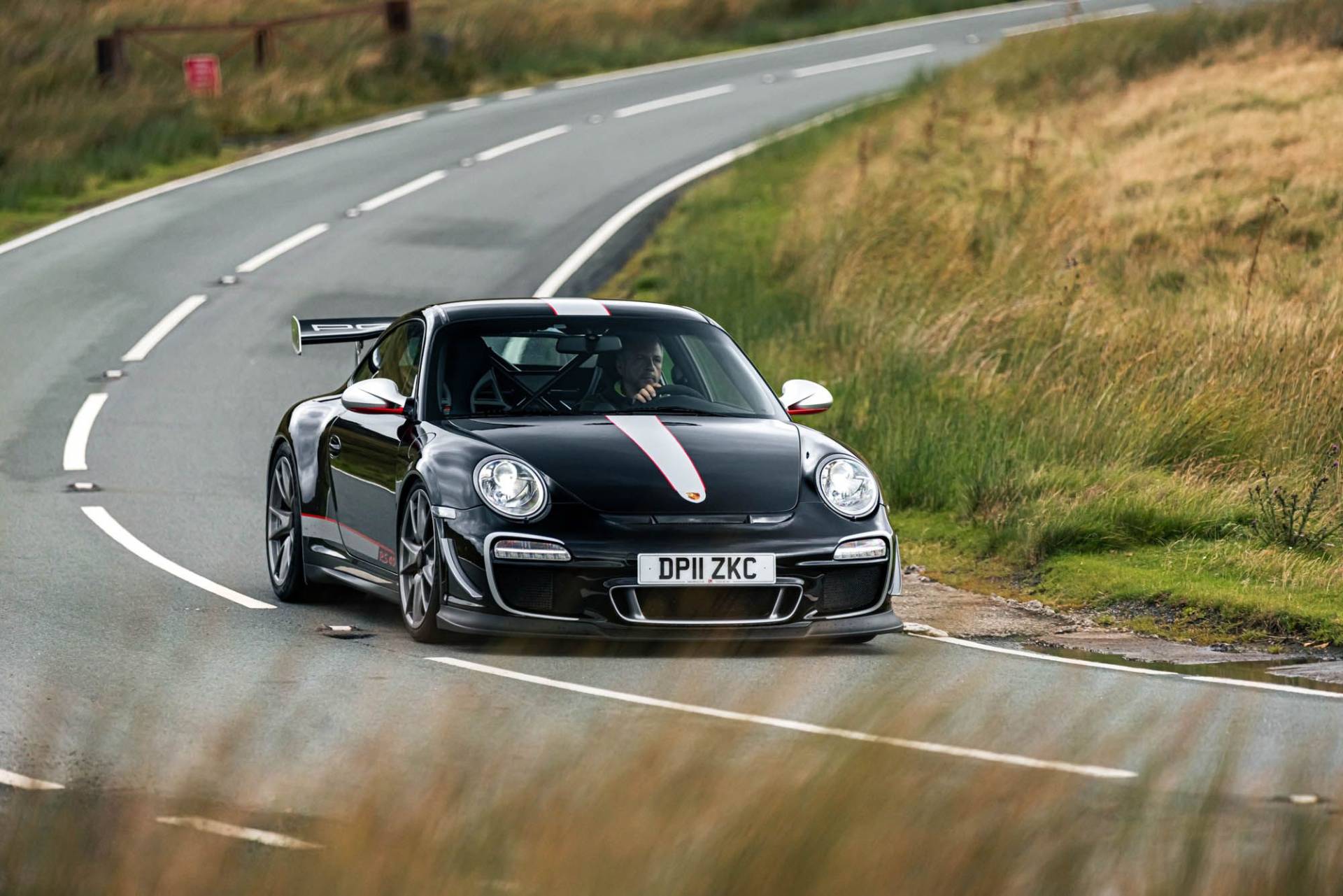
First up in this series, we have a car that might surprise a few people who know me. Yes, it's a Porsche. And yes, it’s a 911. But, although I've never been the biggest of 911 fans, I’ve always loved a proper driver’s car, and there’s no two ways about it, the 911 GT3 RS 4.0 is exactly that!
Not only is it a true driver's car, it’s the very definition of a naturally aspirated hero. The Mezger flat-six is already the stuff of legend, but this RS 4.0 marked its final, glorious outing before Porsche shelved it in favour of the newer, less romantically named 9A1.
The heart of the RS 4.0 was derived from the 4.0-litre unit used in the 911 RSR race car, so it revs to 8,500rpm — not quite the stratospheric figures of Porsche’s later direct-injection engines, but the way it howls when you wind it out is raw, mechanical theatre. And you do have to wind it out — peak power arrives at a screaming 8,250rpm. The RS 4.0’s motorsport DNA is clear beyond just its engine: carbon fibre bonnet, doors, and that stripped-back feel that makes it one of the closest things to a road-legal 997 RSR.
Compared to the 3.8 RS, the 4.0 hasn’t just been bored out to increase capacity. It has a 4mm longer stroke courtesy of a lightweight titanium crankshaft from the RSR race car. The result? An extra 50bhp, bringing the total to a glorious 500bhp. Weight even dropped by 10kg, although on paper, the performance figures barely changed. Top speed stayed at 193mph, and 0–60 improved by just one tenth, down to 3.9 seconds. Still, for a manual car, that’s impressive even today.
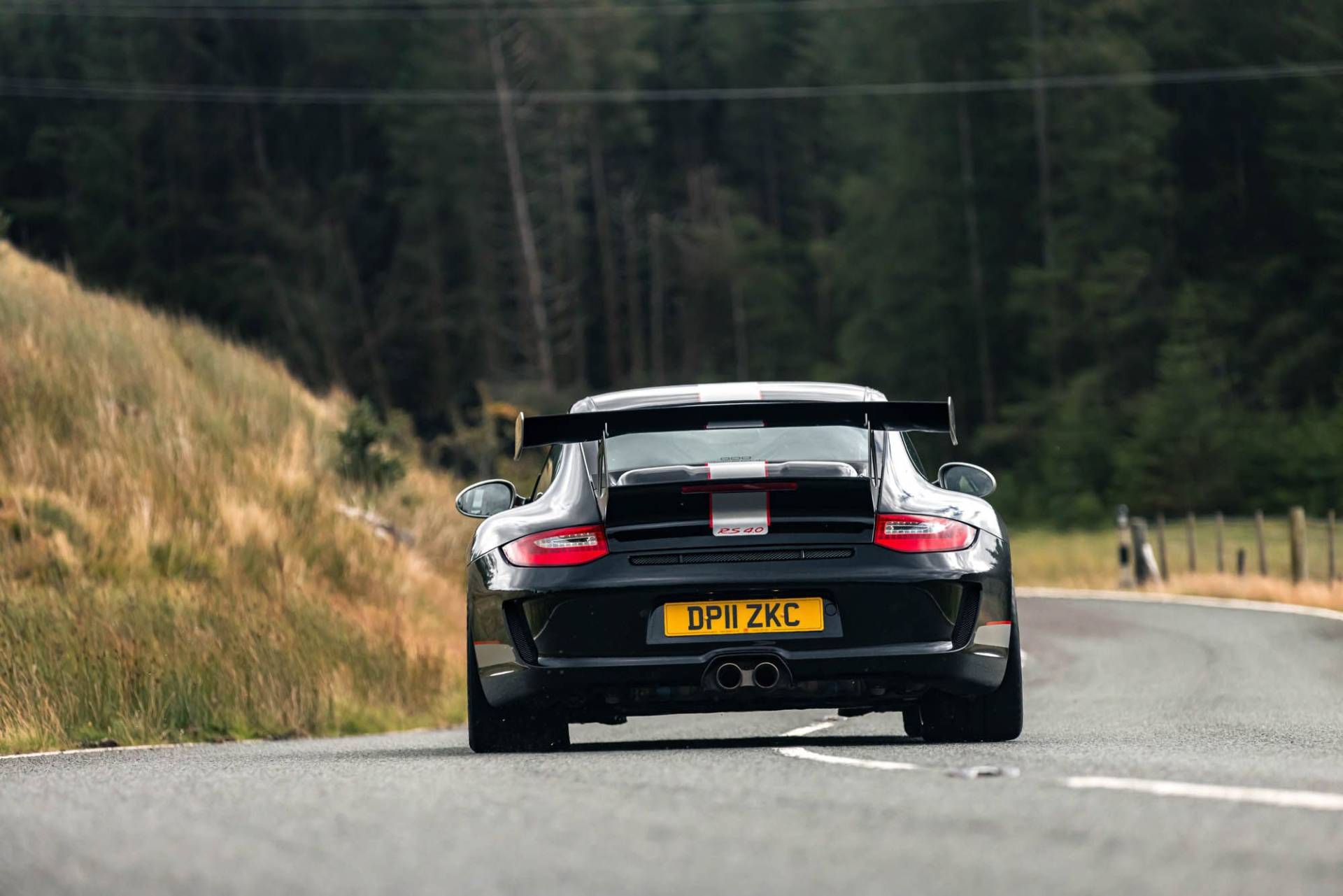
The real difference is felt in the gaps between the corners. Plant your foot out of a tight bend, let the rear-engine traction dig in, and you’ll feel the 4.0’s extra punch instantly. The low-end power means that, on a twisty section, there's very little need for gear changes. Grab the right gear for the next series of bends, and Porsche’s notoriously long gears will have you covered. The majority of the day honing around North Wales, I found myself sticking with third or fourth gear, using all of that rev range.
Now, as I said above, I’m not usually a massive 911 fan. For me, cars like the Ferrari 458 Speciale or Lamborghini Gallardo Superleggera are ground-up supercars, whereas a GT3 RS is still, at its core, an evolved Carrera — a luxury sports car. However, in terms of driving purity, no complaints whatsoever. Yes, there’s the famous pendulum effect rear-engine physics that has caught out many a driver, but once you get used to that, which admittedly took me a while, it’s a weapon, something you can use to your advantage.
This car is and will always be a big deal. It’s the final evolution of the Mezger-engined 911, the last of a breed. Porsche built just 600, making it rare, though still the most ‘mass-produced’ of the three NA Heroes in this series.
500bhp, a manual gearbox, and motorsport heritage in every nut and bolt, this is Porsche at its purest, and in the world of supercars, the RS 4.0 is a sweet spot. It’s fast, raw, and challenging enough to keep you engaged, but approachable enough to drive hard without feeling like you’re wrestling a bear. Porsche didn’t just get this one right; they signed off the Mezger era with a standing ovation.
Written by: Paul Pearce
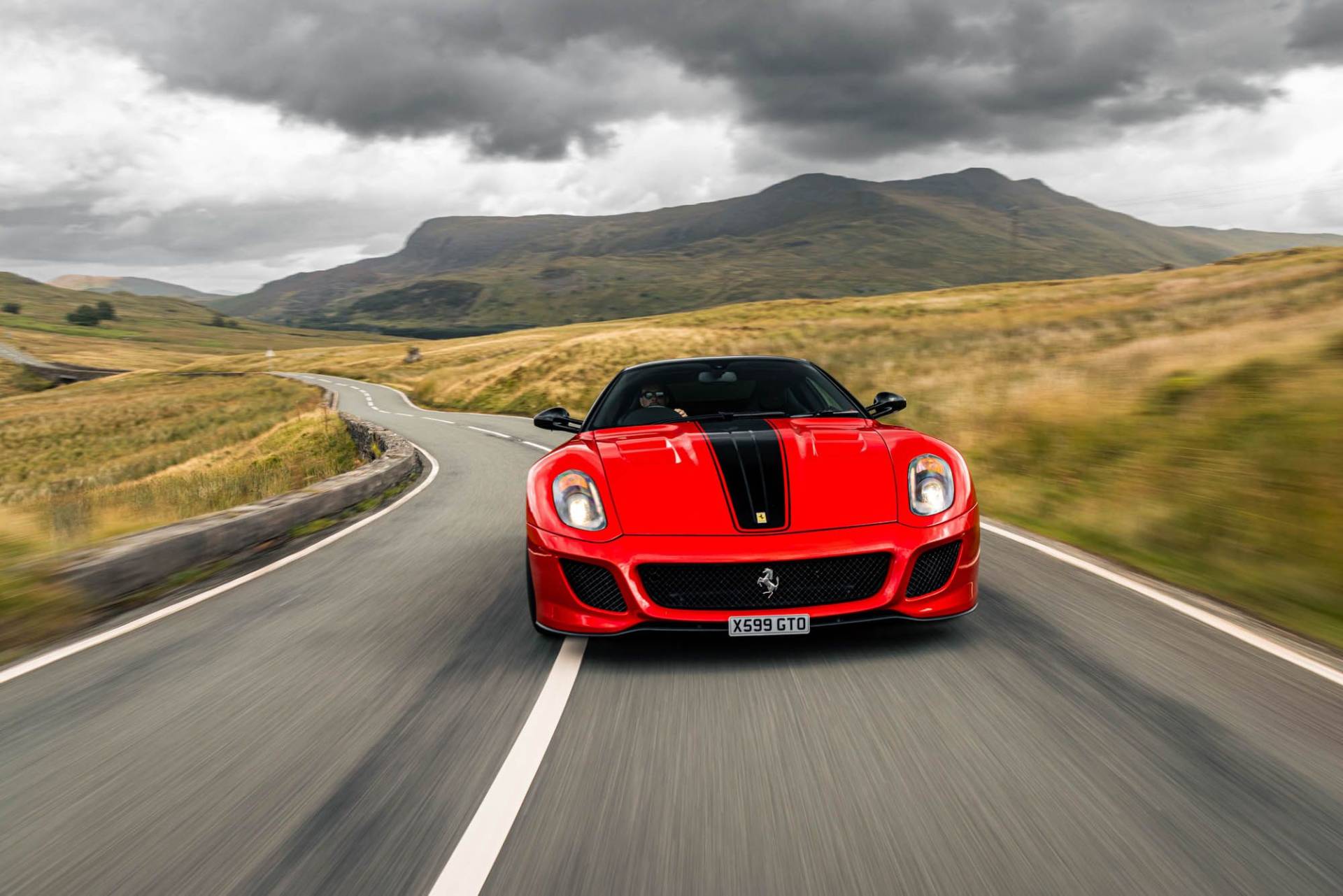
When Ferrari announced a GTO version of the 599, most people thought they were joking. A GTO? Of that car? The big, lumpy GT cruiser your dad might spec with a cream interior and cruise around Cannes in?
And yet… here we are. The 599 GTO is one of the most ferocious cars they’ve ever built. It’s savage. It’s absurd. It’s not subtle. And that’s precisely why it’s brilliant.
Back in 2010, this was the most powerful Ferrari ever made. More powerful than the Enzo. More powerful than anything with a number plate. 661bhp from a V12 that revs like a race engine and screams like a banshee on fire.
The GTO is not delicate. It’s not pretty. It’s a 1,700kg battering ram with a carbon bonnet and enough noise to evacuate livestock. The gearbox thumps, the brakes squeal, and the whole car feels like it’s just been released from quarantine.
It tries to hide its size — the clever diff, the magnetic dampers, the trick aero — but it’s still massive. You don’t forget you’re hauling around the automotive equivalent of a cathedral. It’s just that this cathedral has a hydroformed exhaust and carbon brake doughnuts the size of pizza trays.
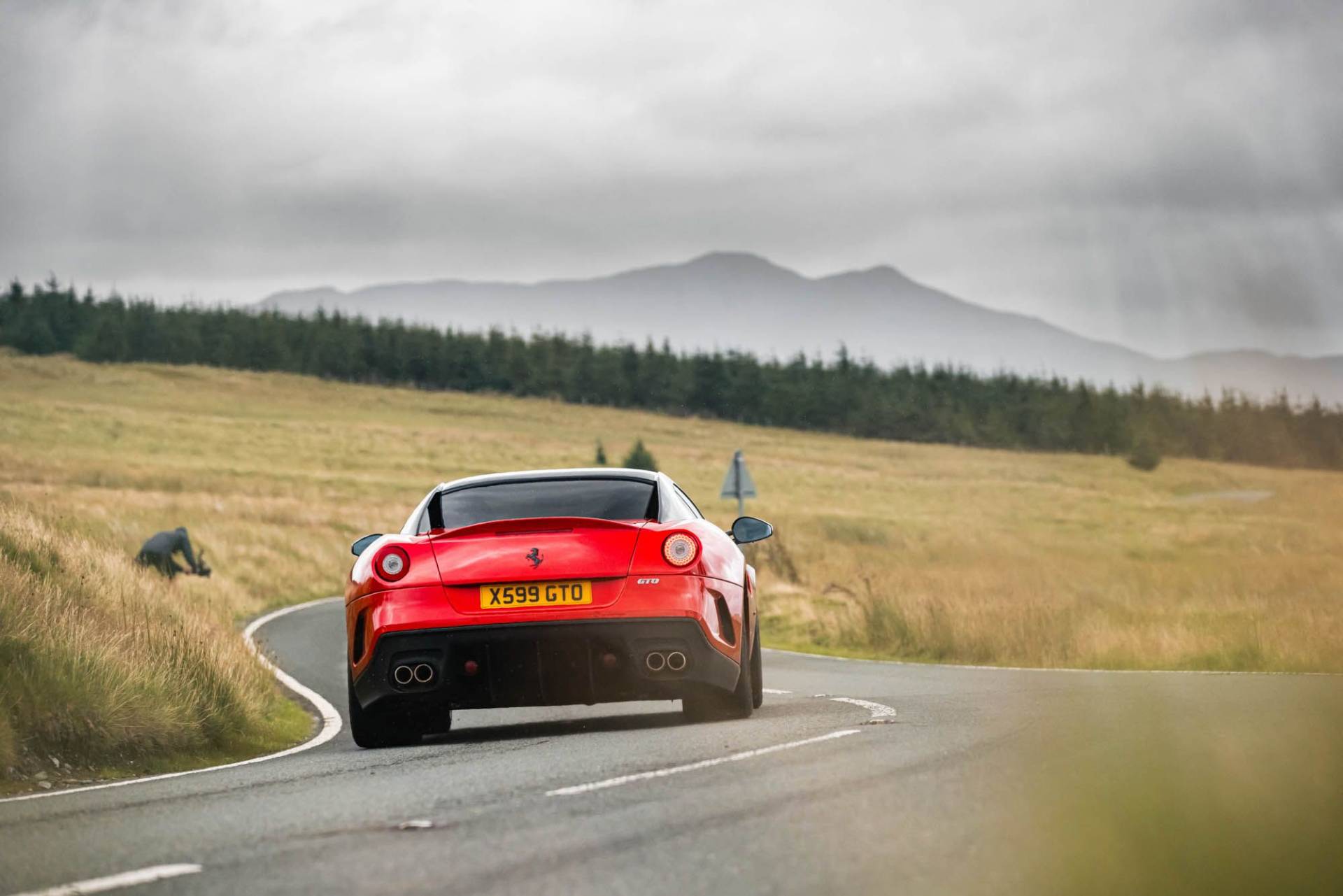
What it does hide, though, is its weight transfer. The steering is pin-sharp, and the way it pivots into a corner is witchcraft. There’s balance. There’s feel. It’s a car that wants you to commit.
And then there’s the sound. A wall of mechanical rage that builds and builds and never seems to stop. Past 6,000rpm, it changes character completely — from angry lion to full-blown T.rex with a megaphone.
The GTO’s story isn’t just about performance. It’s about theatre. The bonnet vents. The ducktail. The flying buttresses that Ferrari didn’t even want until Pininfarina shoved the design into a wind tunnel and proved they actually worked.
It’s Ferrari at its most Italian. Emotional, irrational, and unapologetically loud. There are faster cars. There are more polished cars. But very few cars make you feel like this one does.
It’s not subtle. It’s not gentle. It’s the kind of car that makes you wake up early just to stare at it. I’ve driven a lot of Ferraris. But this one left a mark. Big, red, and slightly smoky.
Written by: Adam Thorby
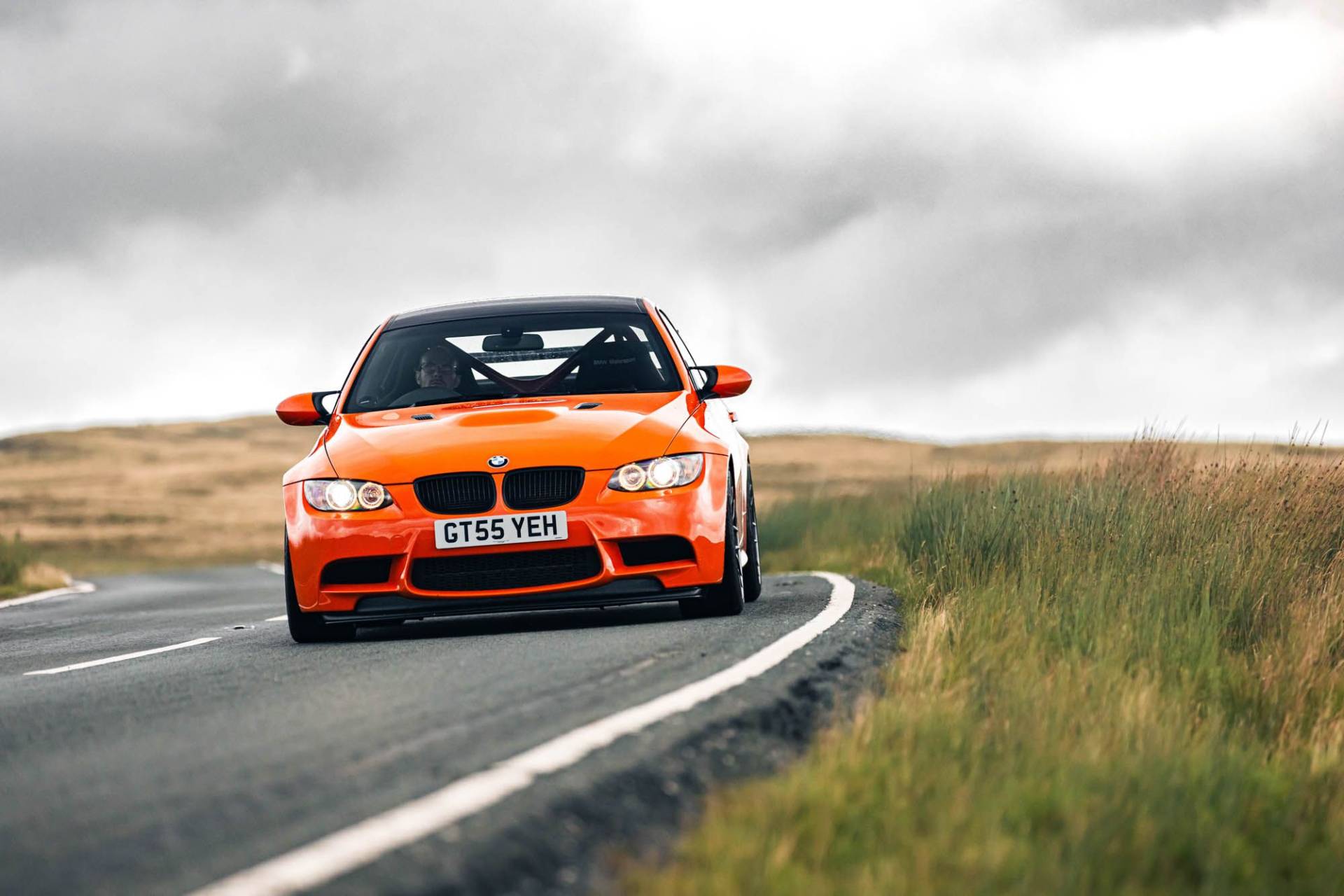
Fast forward to today, and these cars stand as the closing chapters of an era we’re only now beginning to fully appreciate. The BMW M3 GTS is the wildcard of the group. It doesn’t wear a Ferrari badge, nor does it carry the cult status of a 4.0 RS, but speak to the right kind of enthusiast, and you’ll quickly learn that this is one of the most underappreciated icons of its era. A car that was misunderstood when new. And now? Quietly climbing the ranks of the modern classic elite.
Back in 2010, BMW M offered the GTS at over £115,000 — more than double the price of a standard M3. What you got for the money was divisive: no rear seats, no creature comforts, and a paint colour closer to cone orange than competition silver. It wasn’t just a track car. It looked like a track car, and many buyers simply didn’t get it.
BMW planned to build 150 examples. In the end, they made just 138. Not because of parts shortages or regulation — just lack of demand.
It’s a familiar story for fans of misunderstood specials. Lamborghini faced the same with the Murciélago SV — a car they intended to build in a run of 350, but ended up capping at 186. Cars like these were simply ahead of their time. In today’s market, both would be oversubscribed before the first customer drive.
There’s a cynicism that floats around cars like this, that you could build one yourself for less. And technically, you can. Take a regular E92 M3, fit coilovers, a cage, an exhaust, delete the seats, go wild with the stickers, and maybe you’ll get close.
But it’ll never be a GTS. Just like a modified 997 GT3 RS will never be a 4.0 RS, despite the visual similarities. These cars are more than their spec sheets. They’re stories, chapters in a brand’s history, built by the right hands at the right time.
The GTS is more than a parts bin special. It’s the only E92 M3 built by hand at BMW M. It received a bespoke 4.4-litre version of the S65 V8 — not just stroked, but reworked from within. Combined with a titanium exhaust and a DCT gearbox tuned for aggression, the result is something completely different from the road car it’s based on.
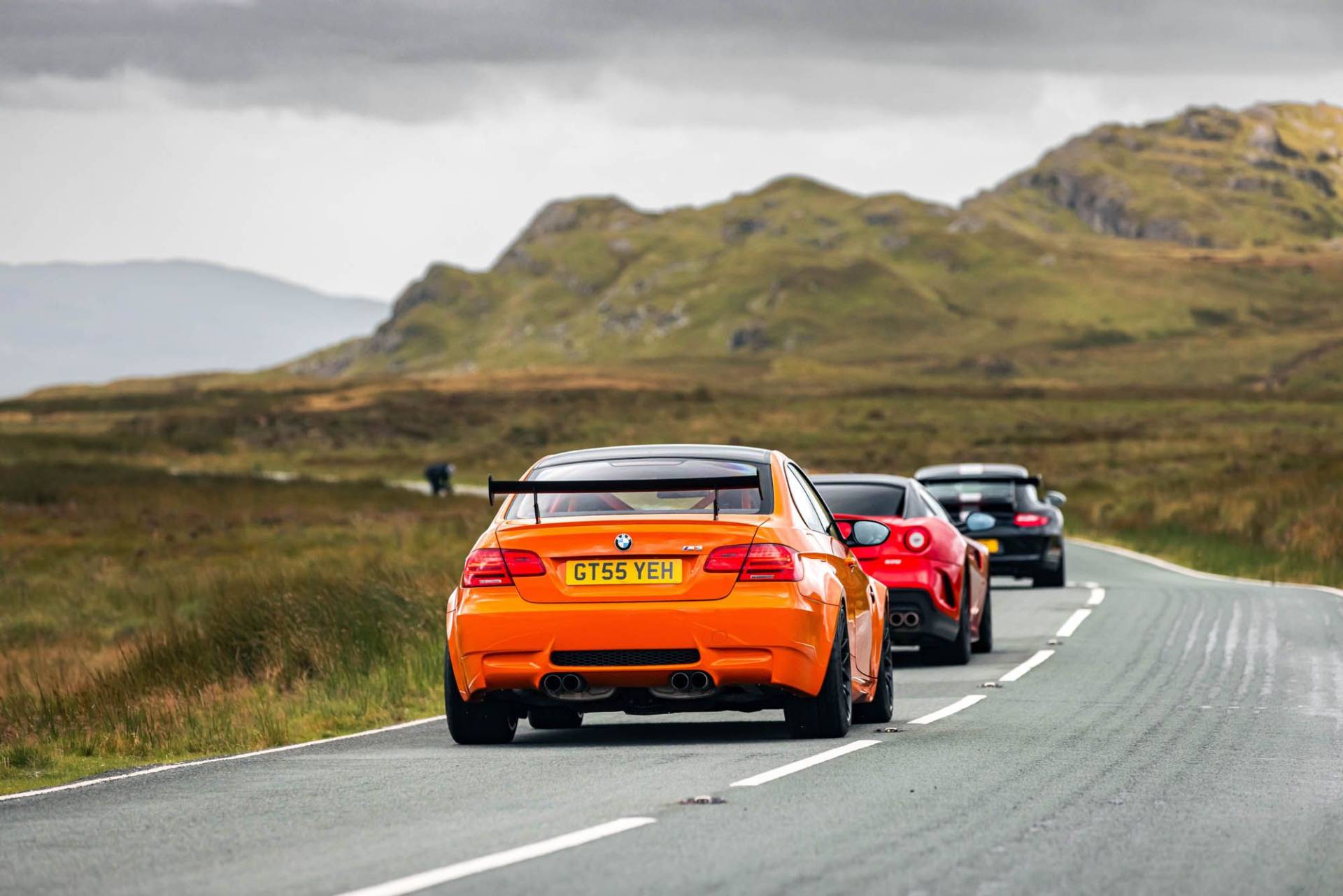
The V8 is a monster. Thunderous. The way it revs out to 8,300rpm feels endless — like the crescendo never arrives, it just keeps building. It doesn’t sound like an M3. It sounds like a touring car breaking loose on the Nordschleife. The power — all 444hp of it — feels like just the right amount. Enough to enjoy, enough to exploit, but not so much that you’re glancing nervously at the speedo every five seconds. It pulls with urgency, snarls at every input, and feels mechanical in a way modern M cars no longer do.
Get it on some Welsh B-roads, and it surprises you. Coming from a background of cars like the Porsche 997 GT3, you don’t expect anything to match that level of precision and engagement. And yet, the GTS comes close — but in a very different way. And while it takes some getting used to, once you find its rhythm, the GTS rewards you with an addictive blend of aggression and control.
It’s that rare sweet spot: fast, but usable. Loud, but connected. Wild, but not unhinged. And when you try to think of what else offers a similar experience today — something factory-built, naturally aspirated, track-honed, and road-legal — the list is very short.
That’s the magic of the GTS. It feels like nothing else.
Most GTSs now live quiet lives in collections, and fair enough. It’s one of the rarest production BMWs ever made, and the last naturally aspirated M3. That alone makes it a cornerstone for any serious collector. But to drive it is to understand it.
Unlike many specials, the GTS doesn’t wilt when driven hard. It shines. On the road, it feels sharper than it has any right to. On track, it’s built to torment GT3s — not beat them on paper, but unsettle them with character. Grip, feel, and fury in equal measure.
The GTS is finally earning the reverence it was denied in period. Prices are rising. Awareness is growing. And collectors are waking up to the fact that this wasn’t just a special M3 — it was the last of its kind.
In the shadow of turbocharged successors and ever-faster lap times, it’s cars like this that remind us of what driving used to feel like. Raw. Mechanical. Emotional.
This isn’t just a future classic — it’s a story of missed demand, reborn through hindsight. And in years to come, the M3 GTS won’t just be remembered. It’ll be revered.
1. It wasn’t supposed to exist
The RS 4.0 was developed almost as a secret project within Porsche Motorsport — a skunk works special. It came right at the end of the 997’s life, after the 991 was already well into development, and was seen internally as a final, uncompromised farewell to the Mezger-engined GT cars.
2. It sold out instantly, despite a hefty price.
In 2011, the RS 4.0 launched at around £128,000 in the UK, an eye-watering sum for a 911 at the time. Only 600 were built worldwide, and every single one was spoken for before the press had even finished driving them — a stark contrast to today’s ‘launch hype’ era.
3. It’s more GT2 RS than GT3 RS
Believe it or not, RSR-derived engine aside, the RS 4.0 shares more components with the GT2 RS than it does with the GT3 RS, including additional rose joints on the suspension arms and uprated coilovers with compensator springs to allow a shorter, lighter main spring.
1. The exhaust was built like a trumpet
The 599 GTO has a hydroformed exhaust — a high-pressure manufacturing technique usually reserved for instruments or aerospace parts. It’s shaped with water, not welds. It saves weight, improves flow, and sounds like all twelve cylinders are yelling in harmony.
2. The brake discs are made of ‘doughnuts’
Not Krispy Kreme ones. The GTO’s carbon ceramic brakes use a doughnut-shaped mounting system that allows them to expand when hot. It’s a clever bit of engineering most people never notice — unless they’re nosing around a wheel arch like a lunatic.
3. The passenger footrest was developed for a Ferrari that never existed
True story. The moulded carbon footplate on the passenger side was designed for a prototype track version of the 612 Scaglietti that never made production. Rather than waste the tooling, Ferrari quietly fitted it to the GTO. Blink and you’ll miss it — but once you know, you can’t unsee it.
1. It wasn’t meant to be this rare
BMW originally planned to build 150 GTSs, but due to lukewarm demand at launch, just 138 were produced. In today’s market, it would have been a sell-out success.
2. It was never sold in the U.S. or Australia
The GTS was built exclusively for European markets. It wasn’t homologated for the U.S. or Australia, making it even more elusive to collectors outside the EU — only a handful exist overseas today via private import.
3. It was the only E92 built by hand at BMW M
Every GTS began life as a standard M3 shell before being stripped, caged, and rebuilt by hand at BMW’s M facility in Garching. It’s as close to a factory race car as BMW ever put on the road.
You've read the article, but there's nothing like immersing yourself in the visceral, aural experience of driving these cars, so if you do anything today, sit back and enjoy the videos below.