Feature
The Veyron: Has the Market Got This One Wrong?
I think the Bugatti Veyron might be one of the most undervalued important cars of the last 25 years, sounds ridiculous but hear me out...
October 7, 2026
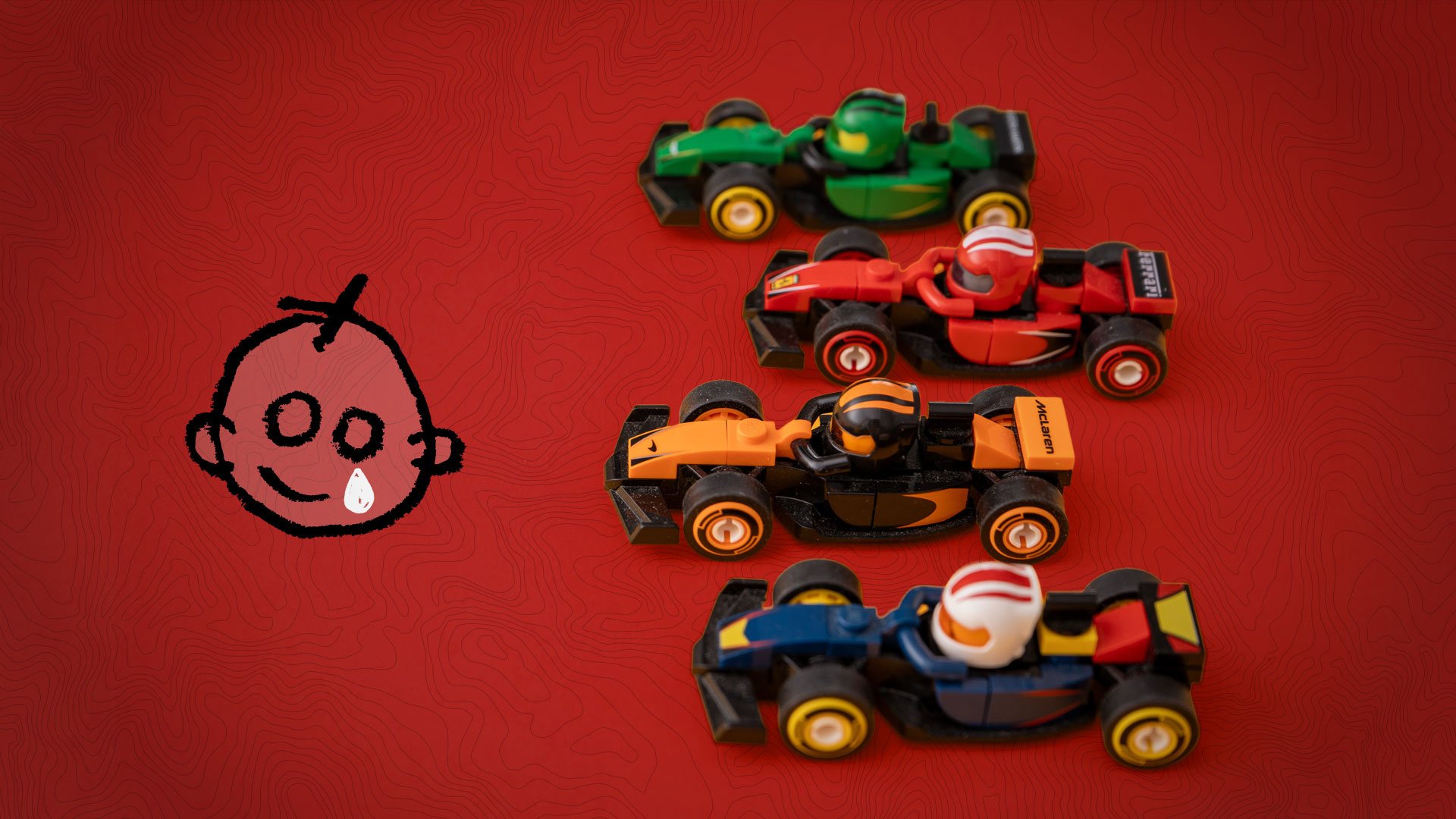
The amazing and unlikely story of how the Ferrari Formula 1 team streamlined Great Ormond Street's transfer process.
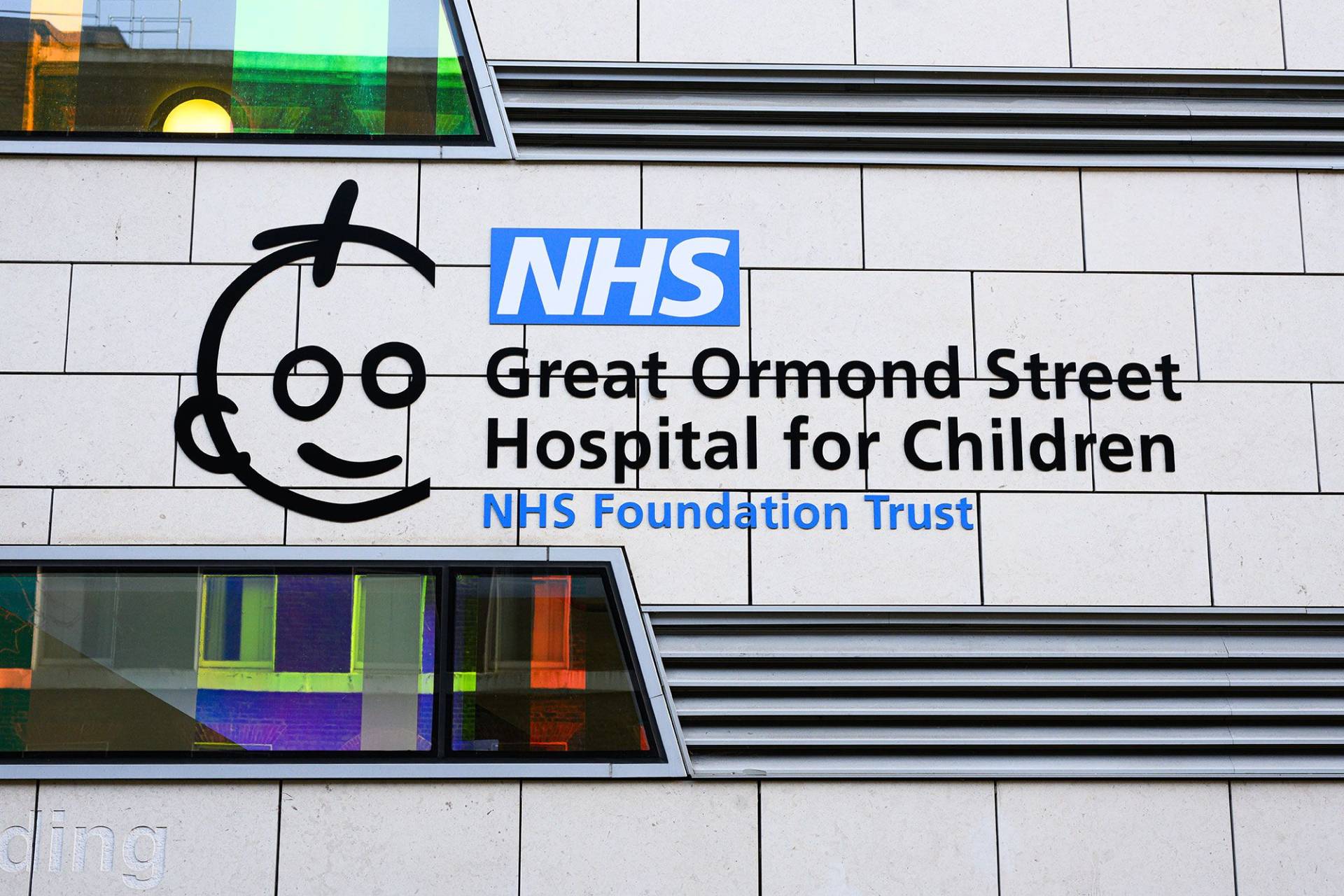
Great Ormond Street Hospital in the mid-90s was a place of miracles, fear and hope all crammed into the same corridor. Parents paced. Nurses moved like ghosts between machines. Surgeons fought battles most of us will never understand. But for all the brilliance inside those operating rooms, there was one moment everyone dreaded.
The transfer.
Taking a child from surgery to intensive care should have been simple. It never was. A tangle of lines and tubes. Machines that beeped at the worst possible time. Staff trying to talk over one another while the tiny patient lay in the middle of it all, utterly silent. And once someone finally measured it, the truth wasn’t pretty. Too many delays. Too many missed details. Too much risk when a family had already been through enough.
Two doctors — Martin Elliott and Allan Goldman — knew something had to change. They’d tried meetings. They’d tried checklists. They’d tried “being more careful”, which is the medical version of telling someone to “just calm down”. Nothing worked.
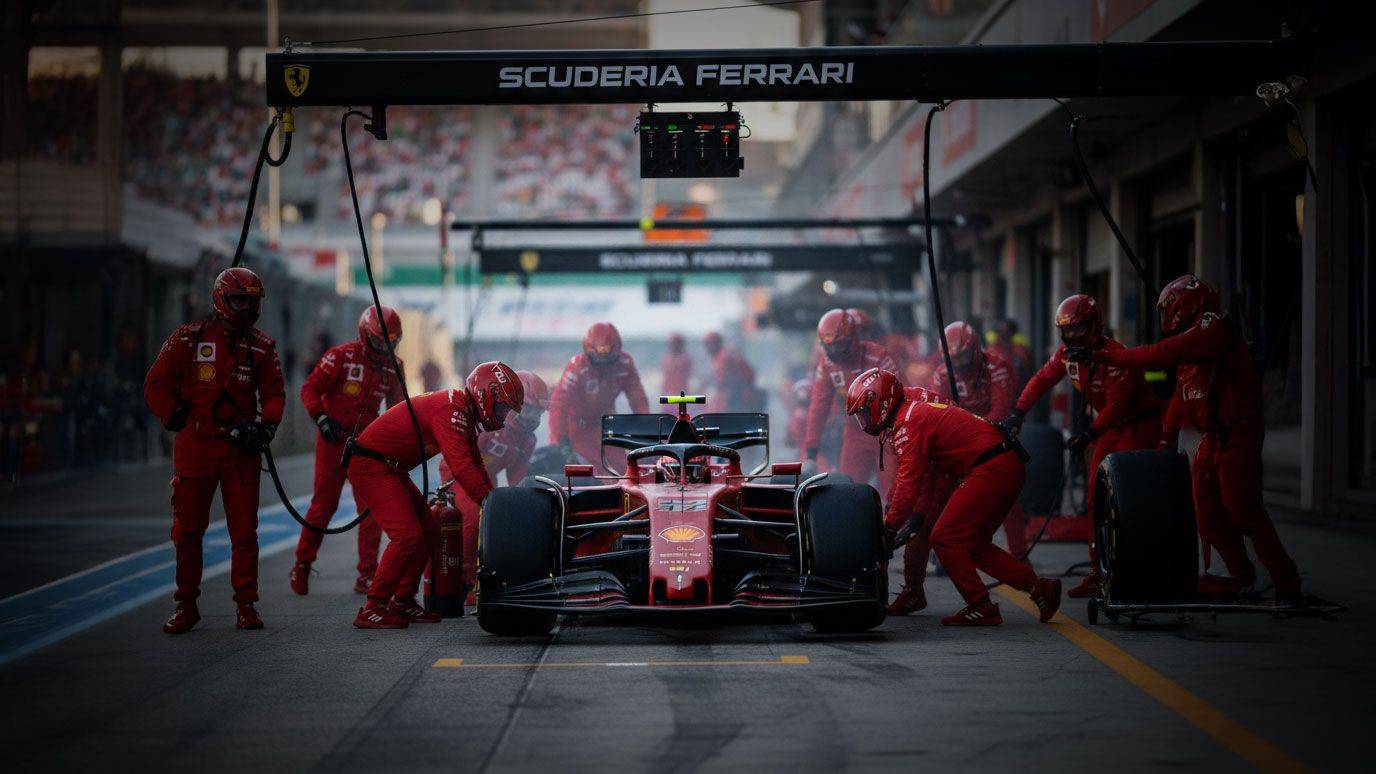
Then one afternoon, they found themselves doing what many tired doctors do after a long shift: watching sport in the staff room. A Ferrari screamed into a Formula One pit stop. Seven seconds later it was gone again, with twenty people having touched the car and not one of them getting in the way.
The two doctors looked at each other. Not the polite look colleagues usually give. The look you give when your brain has just thrown a bucket of cold water over your own assumptions.
“That", one of them said, “is exactly what we’re trying to do. And they’re miles better at it".
They joked about calling Ferrari. Then they realised the only difference between a joke and a good idea is whether you actually follow through.
So they wrote to Maranello.
Imagine being the person opening that letter at Ferrari HQ. “Hello, we’re children’s heart surgeons in London. Please teach us how not to drop anything".
But Ferrari said yes.
Of course they did. Under the helmets and the fireproof suits, racing teams are full of people who care about precision, pride and getting fragile things safely through danger. The hospital team flew to Italy, still wearing their sensible shoes, and walked into a world of noise, speed and espresso strong enough to wake an entire ward.
The Ferrari crew showed them a pit stop in slow motion. Every movement planned. Every word timed. No crowding. No guessing. No improvising. No heroics. Just a team working like a heartbeat.
Then Ferrari asked to see the hospital version. The doctors sent over tape of a real transfer. The pit crew watched it like analysts going through race footage. Their faces said it all. Too many people around the bed. Too much talking. Too many hands crossing over one another. Too much chaos where there should have been quiet order.
A few weeks later the Ferrari and Williams crews travelled to London to watch it live. They stood in Great Ormond Street, surrounded by blinking monitors and anxious parents, and took notes like they were scouting a rival team. One of them later admitted it was more stressful than Monaco.
Then something lovely happened.
Two worlds that should never meet began solving a problem together. The surgeons and nurses talked through what they needed. The Ferrari crew talked through what they did in pressure situations. Nobody tried to be the cleverest person in the room. Nobody pulled rank. They just worked.
Together they rebuilt the whole process. A clear leader. Set positions. Quiet communication. Defined roles. Smooth steps that flowed into one another. A transfer that looked less like chaos and more like choreography.
It wasn’t glamorous. It wasn’t dramatic. It didn’t make headlines at first. What it did was save lives.
One of the first children to benefit was a little boy called Alexander. He came out of heart surgery into a world of hushed voices and steady hands. The new transfer process moved around him like a well-rehearsed dance. No panic. No shouting. No fumbling. Just a team working in perfect sync.
He reached intensive care safely.
His parents never knew that a tiny part of Ferrari was standing behind that moment. They only knew their child was alive.
And that’s the heartwarming bit. Because behind every hospital corridor and every pit lane, there are people who want to make the world a little better than they found it. Sometimes those people wear scrubs. Sometimes they wear bright red overalls and shout “Forza!” at televisions.
But when you strip away the noise, you’re left with something simple. People helping other people because they can. People using their own strange corner of knowledge to save someone they’ll never meet. People crossing worlds that were never meant to touch, all because a child deserved a safer journey from one room to the next.
It’s the sort of Christmas story that doesn’t need snow or angels or choir music. Just humans doing what humans do best when they step out of their own world and offer their hand to another.
Ferrari taught a children’s hospital how to run a better pit stop. And the hospital gave those lessons meaning far beyond the pit lane.
If you'd like to do your bit for this amazing cause, donate to Great Ormond Street's Christmas Appeal below.
Written by: Paul Pearce